The question of Yoruba fluency in the Lagos governorship race keeps growing. A new statement from the Yoruba Revolutionary Movement (YOREM), reported by Sahara Reporters on 4 October 2026, defends ADC candidate Gbadebo Rhodes-Vivour against criticism of his Yoruba, while the Lagos APC has said that learning the language is not enough on its own. Here is where each side stands.
What YOREM said
YOREM described the campaign questioning Rhodes-Vivour’s Yoruba identity on the basis of language as “blackmail and propaganda” that it alleges is driven by the APC and its supporters ahead of the Lagos election. Its coordinator, Wale Balogun, argued that fluency should not be treated as the ultimate measure of Yoruba identity, political legitimacy or commitment to Lagos. The group pointed to the candidate’s public identification with Ìṣẹ̀ṣe, the indigenous Yoruba religious and cultural system, said traditionalists had defended his lineage and explained his Obalefun title, and noted that he has hired a Yoruba teacher and intends to campaign in the language.

What the candidate himself has said
Speaking on Monday 5 October, after reaction to his 1 October answer in English at The Platform, Rhodes-Vivour said his challenge is one of fluency, not a rejection of Yoruba language or culture. He acknowledged the role of the Awori and Egun indigenes in building Lagos and said he does not need to speak perfect Yoruba to protect the indigenous culture of Lagos, adding that his Yoruba still has a way to go and that he is making efforts. See our earlier coverage of the viral video from The Platform.
The APC response
The Lagos APC’s publicity secretary, Seye Oladejo, said earlier that there is nothing wrong with learning the language of the people one seeks to govern and called it commendable. He argued, however, that language carries history, humour, values and traditions, and urged the ADC candidate to also learn the history, institutions and governance challenges of Lagos, saying 2027 is a conversation about the future of the state.
Why this matters for Yoruba language preservation
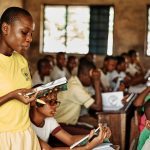
Beyond the politics, the exchange has put a real issue in front of voters: many children in Lagos grow up with limited Yoruba. Whoever wins, parents and educators are asking for clearer policies on teaching and protecting the language in schools. To learn the basics yourself, try our guide to Yoruba greetings.
Sources: Sahara Reporters (4 October 2026), Naija News (5 October 2026) and Tori.ng. Ilẹ̀ Abínibí reports all sides and does not endorse any candidate. Image credits: Unsplash photographers.