Juju is one of the great popular music styles of Yorubaland, built on guitars, drums and call-and-response singing. This guide explains what it is, where it came from and who made it famous. Origins and dates are summarised from common accounts and are approximate.
Where juju comes from
Juju is usually traced to Lagos in the 1930s, where musicians such as Tunde King mixed Yoruba song and rhythm with guitar and other instruments. The name is often linked to the sound of the tambourine used in early groups. Over time the style grew larger, adding more guitars, percussion and talking drums.
What it sounds like
- Smooth, layered guitar lines over a steady rhythm.
- The talking drum, which echoes the tones of Yoruba speech; see our dùndún guide.
- Praise singing and proverbs, closely related to oríkì.
Famous names
| Musician | Known for |
|---|---|
| Tunde King | An early pioneer of the style in Lagos |
| Ebenezer Obey | One of the biggest juju stars of the 1960s and 1970s |
| King Sunny Adé | Brought juju to international audiences; see our profile |
Juju and other Yoruba genres
Juju sits beside other styles: fuji, apala and the Afrobeat of Fela Kuti. Learn about the Yoruba instruments behind them, and see how music fills celebrations in our owambe guide.
Frequently asked questions
What is juju music? A Yoruba popular style built on guitars, percussion and talking drums.
Who made juju famous worldwide? King Sunny Adé is the best-known international name.
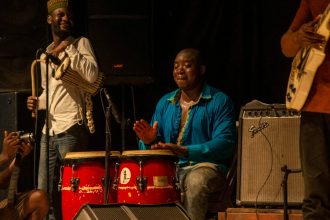
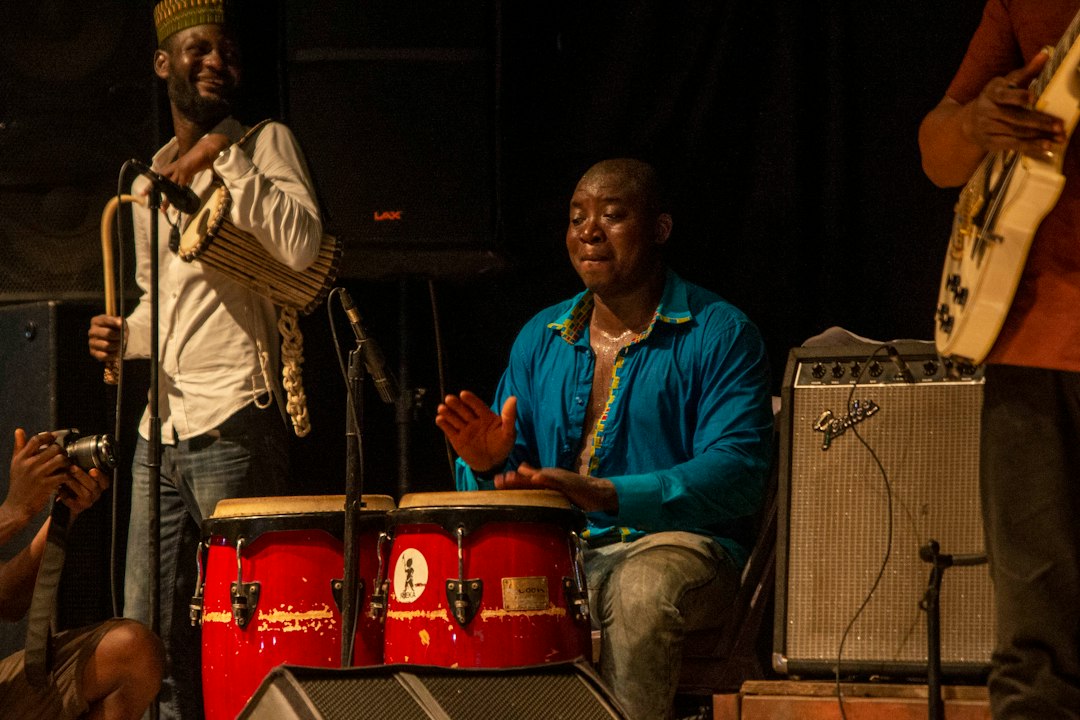
Photo: a drummer at a live concert in Lagos by Ayoola Salako (Unsplash), illustrative of live Nigerian music; it does not show a juju band. Dates and details are approximate.