

Oríkì is the Yoruba art of praise: poetic names and chants that describe a person, family, town or divinity at their best. It is one of the richest forms of Yoruba oral literature and is heard at naming ceremonies, weddings, festivals and funerals. This guide explains what oríkì is, its main types and how it is used.

What Does Oríkì Mean?
The word oríkì is often explained as “praise of the head”, that is, praise of a person’s inner self and destiny. An oríkì can be a short descriptive name or a long poem that recounts achievements, family history and character. Praise is meant to inspire, encourage and remind a person of who they are.
Types of Oríkì
- Oríkì orílẹ̀ (lineage or town praise): praises the origins, heroes and qualities of a family or town.
- Oríkì àbísọ: praise names given to an individual that reflect their birth and character.
- Oríkì of the orisha: chants for divinities such as Ṣàngó and Ọ̀ṣun.
Related Yoruba Chants and Genres
Oríkì sits within a wider tradition of oral art that includes ìjálá (hunters’ chants), ẹ̀sà (Egúngún chants) and ẹkún ìyàwó (bridal chants). It also overlaps with Yoruba proverbs (Òwe), which share its rich imagery.

How Oríkì Is Performed
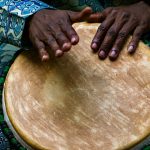
Oríkì is chanted or sung, often with drums. The talking drum can imitate the tones of the words, so a drummer can “speak” a person’s praise; see our guide to the talking drum. Praise also features in juju and fuji music, where singers praise guests by name.
Why Oríkì Still Matters
Oríkì teaches children about their heritage and boosts confidence. Learn how it fits into life events in the naming ceremony and the traditional wedding, and read about the values behind it in Yoruba culture. For wider reading, see Wikipedia’s Oríkì page.
Oríkì FAQs
What is oríkì in Yoruba?
It is praise poetry and praise names that describe a person, family, town or divinity.
Who performs oríkì?
Family elders, drummers, singers and priests perform it at ceremonies and festivals.
Is oríkì still used today?
Yes. It appears at weddings and naming ceremonies and in modern Yoruba music.


2 Comments