

The dùndún is the Yoruba talking drum: an hourglass-shaped drum that can imitate the rise and fall of spoken Yoruba. Because Yoruba is a tonal language, a skilled drummer can “say” proverbs, greetings and praise names by matching their tones. This guide explains how the dùndún is built, how it produces speech-like sounds, who plays it and where you can still hear it today.
What Is the Dùndún?
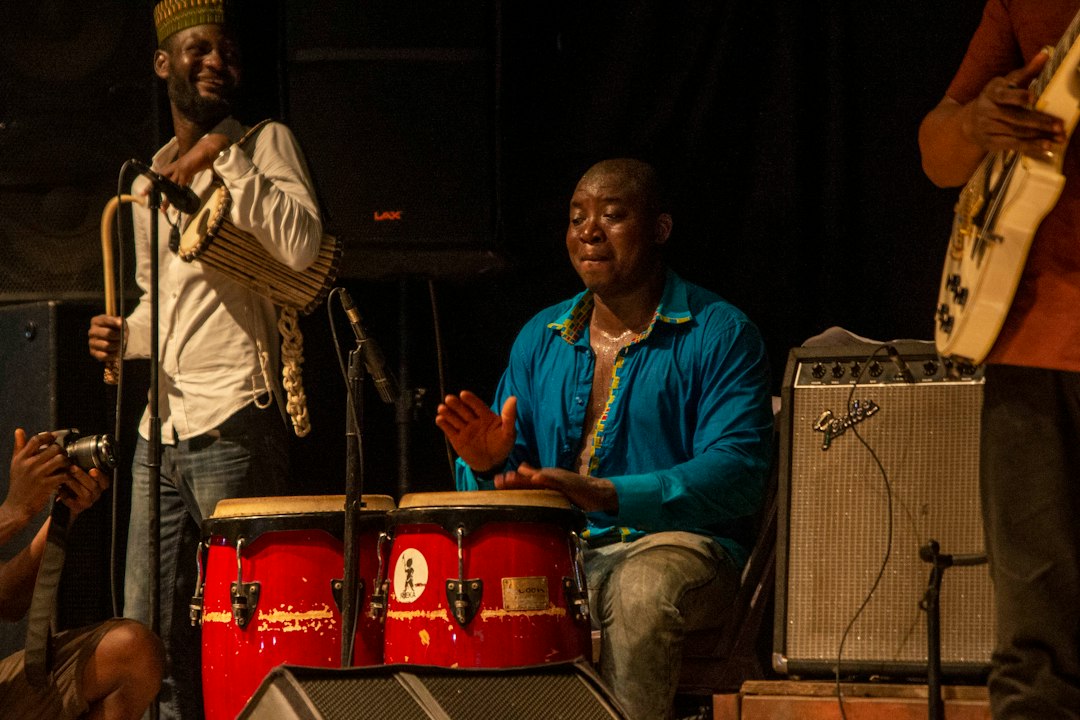
The dùndún is a double-headed, hourglass-shaped drum with a leather membrane at each end. The two heads are joined by cords that run along the body of the drum. The drummer carries it under one arm, squeezes the cords to tighten the heads and strikes the drum with a curved stick. Squeezing harder raises the pitch; relaxing the grip lowers it. This ability to change pitch within a single beat is what lets the drum follow the melody of speech. The same type of instrument is found in other parts of West Africa under different names, and it is often described in general sources as the “talking drum”, as you can read in the overview on Wikipedia.
How a Drum Can “Speak”
Yoruba uses three tones: high, mid and low. The same syllable can mean different things depending on its tone, which is why we explain why tone marks matter. A talking drum does not spell out letters. Instead, it reproduces the pattern of tones and the rhythm of a phrase. A listener who knows the language, and who knows the common phrases drummers use, recognises the pattern and understands the message.
This means the drum is strongest with set phrases such as greetings, proverbs and praise lines, which are long enough to have a distinctive tonal shape. A new sentence with no familiar pattern is harder to decode. For that reason, much of the dùndún’s “speech” depends on shared cultural knowledge between the drummer and the audience.
| Feature | What it does |
|---|---|
| Hourglass body | Gives the drum its shape and lets it sit under the arm |
| Two membrane heads | Produce the sound when struck |
| Tension cords | Squeezed to raise or lower the pitch |
| Curved stick | Used to strike the drum |
| Player’s arm pressure | Shapes the tones that imitate speech |
The Dùndún Family and the Drummers
The dùndún is usually played in an ensemble rather than alone. The lead drum is often called ìyá ìlù, meaning “mother drum”, and it is the instrument that carries the main “speech”. Smaller drums in the ensemble provide supporting rhythms. Names and roles can vary between towns and drumming families, so treat these terms as common examples rather than a fixed standard.
Drumming has traditionally passed within families of drummers. You will often meet people with names beginning with Ayan, which is linked to the Yoruba idea of drumming as an inherited calling. Learning takes years: a young apprentice starts with the basic strokes and then learns the phrases, praise names and rhythms of the community.
Where You Hear the Dùndún
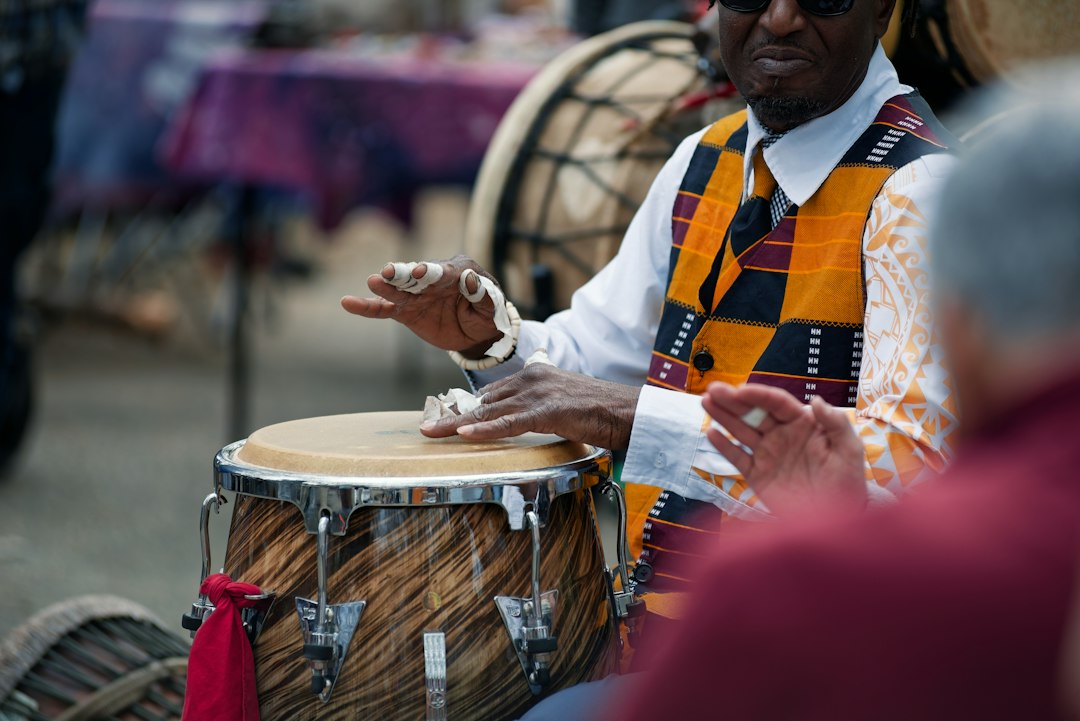
- Weddings, naming ceremonies and funerals: drummers praise families and announce guests. See the Yoruba traditional wedding guide.
- Festivals and masquerades: rhythm drives the dancing at events such as the Egungun masquerade and the Ojude Oba festival.
- Popular music: talking drums feature in Yoruba popular styles, including apala, juju and fuji, and in Afrobeat bands such as the one led by Fela Kuti.
- Royal and community events: drummers often greet chiefs and kings with praise rhythms.
Why the Dùndún Still Matters
The dùndún links music to language. Hearing a drummer “speak” shows how much meaning lives in Yoruba tone, and it keeps old phrases and praise lines alive. For learners, listening to a talking drum is a good ear-training exercise: try to hear the high and low tones before you try to speak them. Pair this with our Yoruba alphabet and tone guide and the Learn Yoruba hub.
Frequently Asked Questions
What is the Yoruba talking drum called?
It is called the dùndún. Other names are used for similar drums in different regions.
Can a talking drum say any sentence?
Not exactly. It reproduces the tones and rhythm of speech, so it works best for familiar phrases such as greetings, proverbs and praise names.
How is the pitch changed?
The player squeezes the cords under the arm to tighten the drum heads and raise the pitch, and loosens the grip to lower it.
Can anyone learn to play it?
Yes, but mastery takes years of practice and knowledge of the language and its praise traditions. Many drummers learn within drumming families.





One Comment