Around the end of the year, many Nigerians notice hazy skies, dry air and cool mornings. This is the harmattan, a seasonal wind that blows across West Africa. This guide explains what it is, when it tends to arrive and how people cope. Timing varies from year to year, so follow your local weather service for forecasts.
What is the harmattan?
The harmattan is a dry, dusty wind that blows from the Sahara towards the Gulf of Guinea. It usually appears between late November and March. It lowers humidity, brings fine dust and haze, and can make nights and early mornings noticeably cooler, even while the days stay warm.
How it affects daily life
- Dry skin, chapped lips and dry throats are common.
- Dust and haze can reduce visibility and affect flights.
- People with allergies or breathing problems may feel worse.
- Cool nights mean many people reach for a light blanket or sweater.
Simple ways to cope
- Drink plenty of water and moisturise skin and lips.
- Cover your nose and mouth in dusty places if you are sensitive.
- Speak to a doctor or pharmacist if symptoms are severe or last long.
This is general information, not medical advice.
Seasons and the year ahead
The harmattan arrives just as the festive travel season begins; see our guide to Detty December. To talk about the weather in Yoruba, learn the nature and weather words and the time words. For the months, see Happy New Month in Yoruba.
Frequently asked questions
When does the harmattan start? Usually between late November and March, though timing varies.
Why are mornings cool in harmattan? The dry air holds less heat overnight.
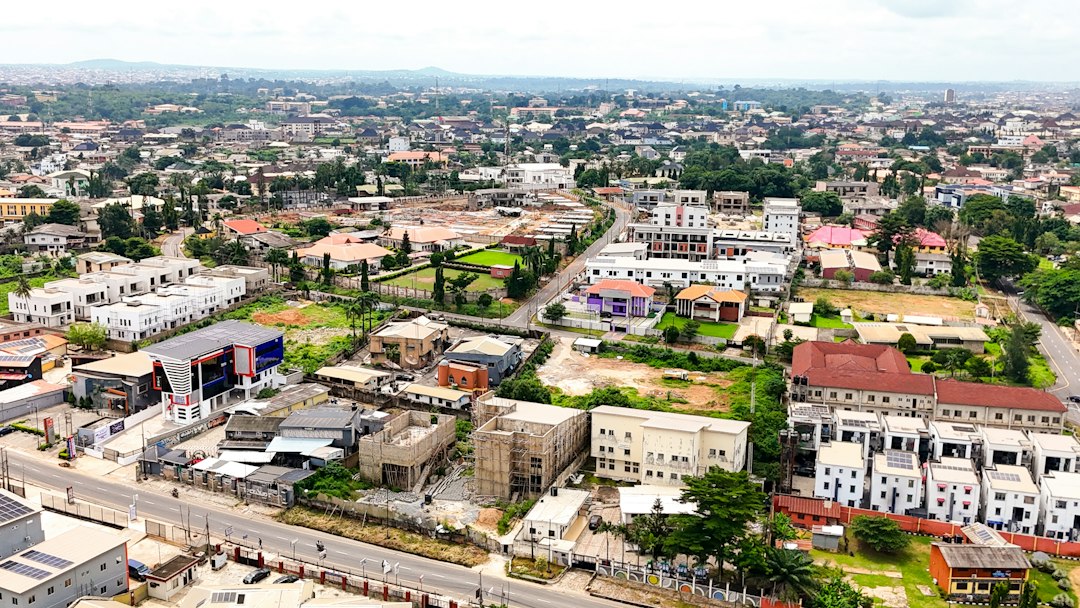
Photo: Unsplash contributor, the Ibadan skyline, illustrative of a Nigerian city; it is not a photograph of harmattan haze. Timing and effects vary by year and location.