Few cultures give twins as much attention as the Yoruba do. Twins are called ìbejì, and they have their own names, songs, spiritual associations and, when one dies, carved wooden figures known as ère ìbejì. This guide explains what twins mean in Yoruba life, why southwestern Nigeria is often linked with a high rate of twin births, and how the figures are used. Traditions differ across towns, so this is a general overview.
What Does Ìbejì Mean?
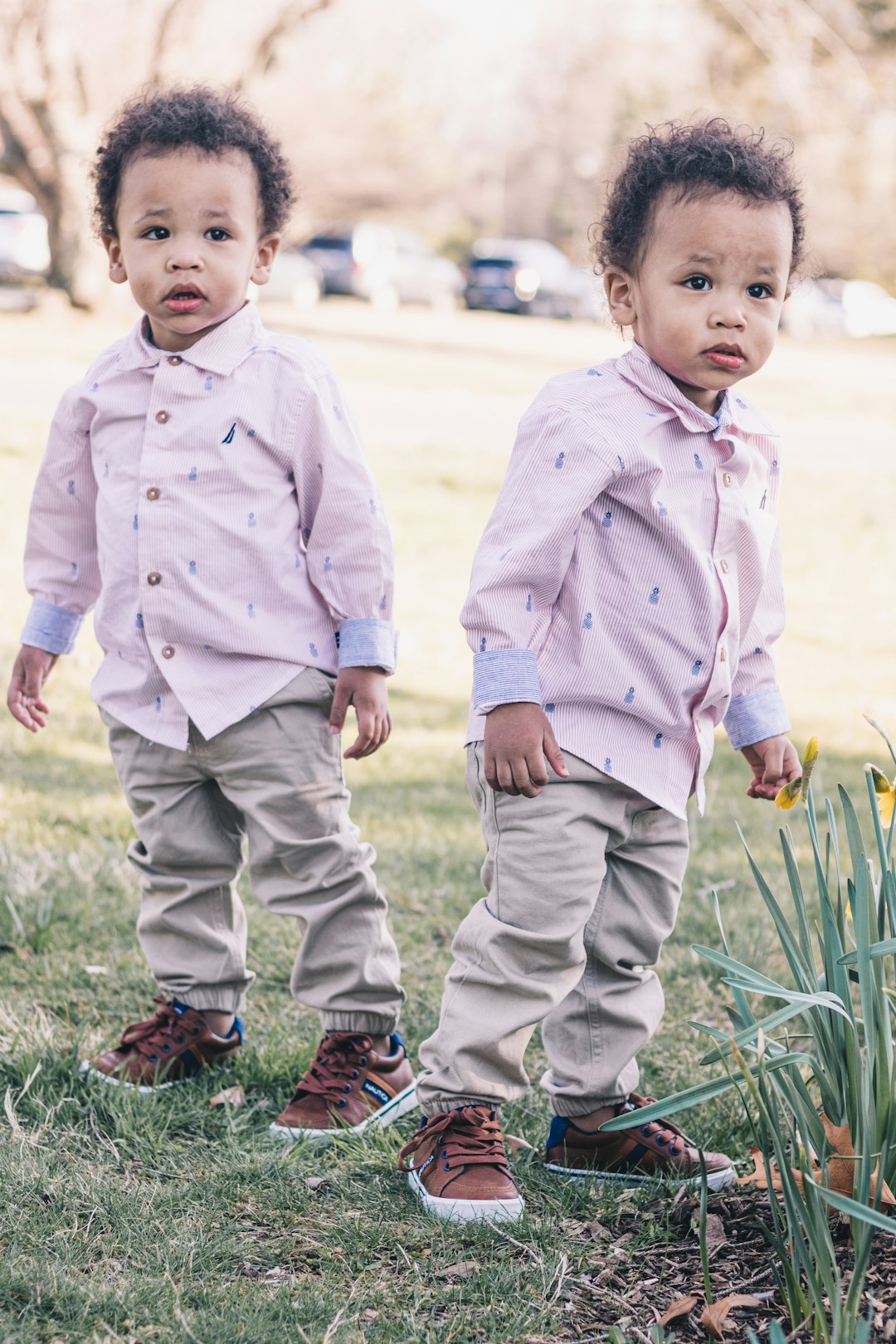
The word ìbejì is commonly explained as “born in two”. In everyday Yoruba culture, twins are seen as a special blessing and a sign of fortune, and parents often prepare celebrations and give gifts. They are named by birth order: Táíwò for the first twin and Kẹ́hìndé for the second. See our guide to names for twins and special births for the full list.
Why Yorubaland Is Linked With Twin Births
Studies cited in general references report that the Yoruba have one of the highest rates of twin births in the world. The town of Igbo-Ora in Oyo State is often nicknamed a “twin capital” because of the number of twins born there, and a local twins festival has drawn attention in recent years. Researchers have discussed possible causes, such as diet and genetics, but the exact reasons are still debated, so avoid claims that sound too certain. For background, see Wikipedia’s entry on Igbo-Ora.
Ère Ìbejì: The Carved Twin Figures
When a twin dies, many families traditionally commission a small carved wooden figure, called ère ìbejì, to represent the child. The figure is often cared for by the mother: it may be washed, dressed, adorned with beads and shared with a surviving twin. The figures are found in museums around the world and are valued as examples of Yoruba sculpture. Their use reflects the belief that the bond between twins continues after death.
Twins in Yoruba Religion and Daily Life
- Spiritual meaning: twins are associated with the Ìbejì in Yoruba religious thought; learn about the wider system in our orisha list.
- Celebration: parents often host gatherings, and friends and relatives bring gifts, food and money.
- Songs and praise: twins have their own praise names and songs, part of the oral tradition described in our guide to oríkì.
- Dressing alike: twins are often dressed in matching fabric, a custom that links to the family cloth tradition explained in aso ebi.
Twins Today
Today many Yoruba families still honour twins with naming ceremonies and celebrations, though practices have changed with religion, city life and migration. In the diaspora, parents often keep the names Táíwò and Kẹ́hìndé as a link to home. The cultural story also lives on through museum collections and festivals.
Frequently Asked Questions
What is the Yoruba word for twins?
Ìbejì.
Which twin is Táíwò and which is Kẹ́hìndé?
Táíwò is the first twin to be born and Kẹ́hìndé is the second.
What are ère ìbejì?
Carved wooden figures made to represent a twin who has died, traditionally cared for by the family.
More culture awaits on the Learn Yoruba hub.