

The talking drum, known in Yoruba as the dùndún, is one of the most recognisable instruments in Africa. It can imitate the tones and rhythms of spoken Yoruba so closely that a skilled drummer can greet people, praise a guest or send a message. This guide explains how the instrument works and where it is heard.

What Is the Dùndún?
The dùndún is an hourglass-shaped drum with two skins joined by leather cords. It is played with a curved stick while held under the arm. Squeezing the cords changes the tension of the drumheads, and therefore the pitch, so the drum can glide between high and low notes.
How Does a Drum “Talk”?
Yoruba is a tonal language: the meaning of a word depends on whether the syllables are high, mid or low. The drummer copies those tone patterns, and listeners who know the language can recognise the words. Learn more about tone in our guide to why Yoruba tone marks matter.
The Dùndún Ensemble
- Gangan: the lead talking drum.
- Ìyá ìlù: the “mother drum”, which leads the group.
- Other supporting drums and bells: these keep the rhythm and add layers.
Who Plays the Talking Drum?
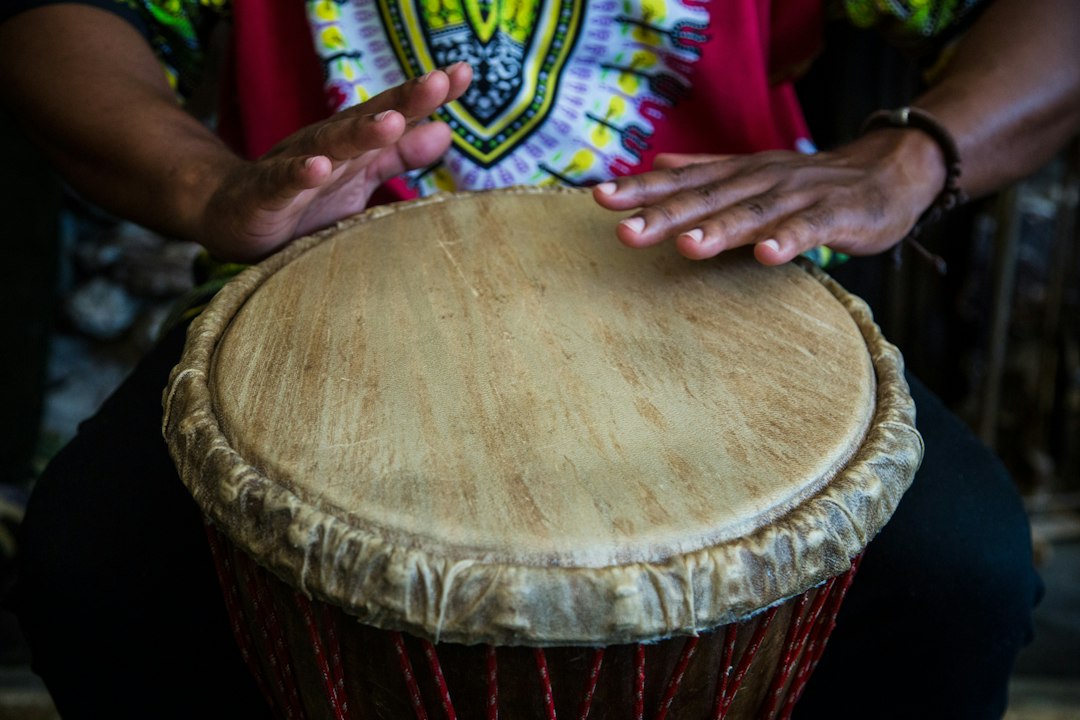
Drummers, called onílù, often come from families who pass the craft down through generations. They play for kings, at weddings and naming ceremonies, and at festivals such as the World Sango Festival. The drum also accompanies oríkì (praise poetry).
The Talking Drum in Modern Music
The dùndún is a core part of juju, fuji, apala and Afrobeat, and it features in pop songs today. Read the full story in our guide to Yoruba music, and the stories of King Sunny Adé and Fela Kuti, who used it on world stages.
Learn More
Browse our Music category or see the overview of the talking drum on Wikipedia.
Talking Drum FAQs
What is the Yoruba name for the talking drum?
It is called the dùndún.
How does the talking drum change pitch?
The player squeezes the cords that hold the two drumheads, which changes the tension and the pitch.
Can the talking drum really say words?
It imitates the tones and rhythm of Yoruba speech, so listeners who know the language can understand the message.






One Comment