

Yoruba music is one of the most influential sound traditions in Africa. From the talking drum that imitates human speech to juju, fuji, apala, sakara and Afrobeat, the music of the Yoruba people has shaped Nigerian pop and travelled across the world through the diaspora. This guide explains each style, where it came from and which artists to listen to first.
What Is Yoruba Music?
Yoruba music is the body of songs, rhythms and instruments created by the Yoruba of south-western Nigeria, Benin and Togo and carried by their descendants in Brazil, Cuba, the Caribbean, the UK and the USA. It is built on call-and-response singing, layered percussion and lyrics full of praise, proverbs and storytelling. Because Yoruba is a tonal language, melody and meaning are closely linked, which is why tone marks matter so much in Yoruba, and why the drums can “speak”.
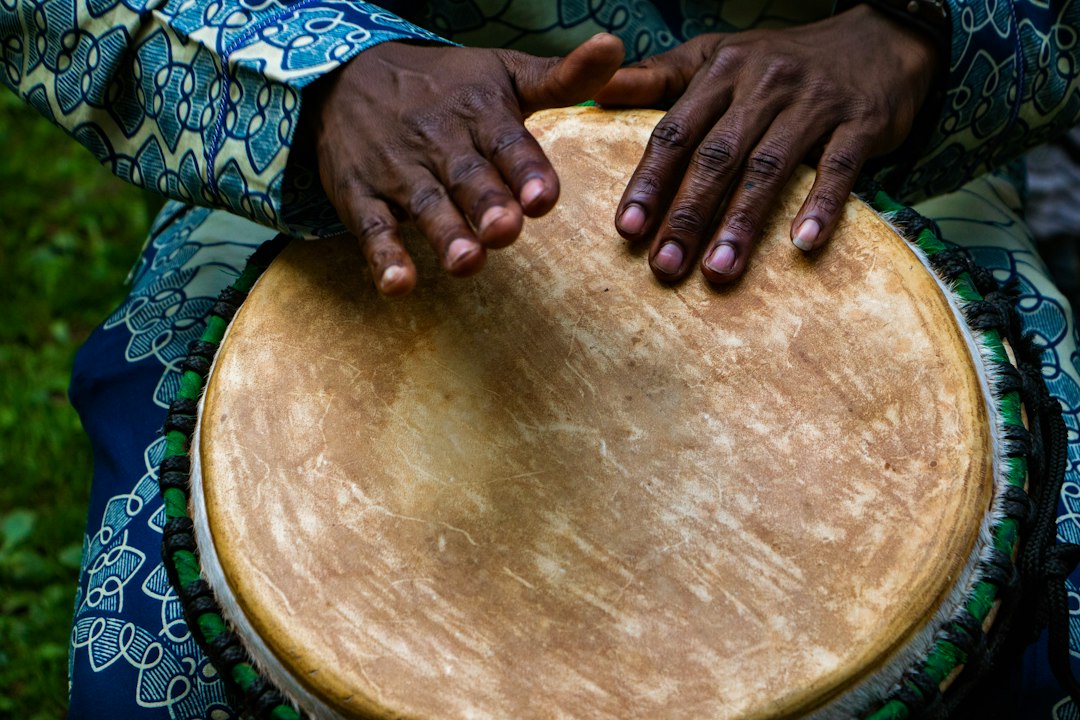
Traditional Yoruba Instruments
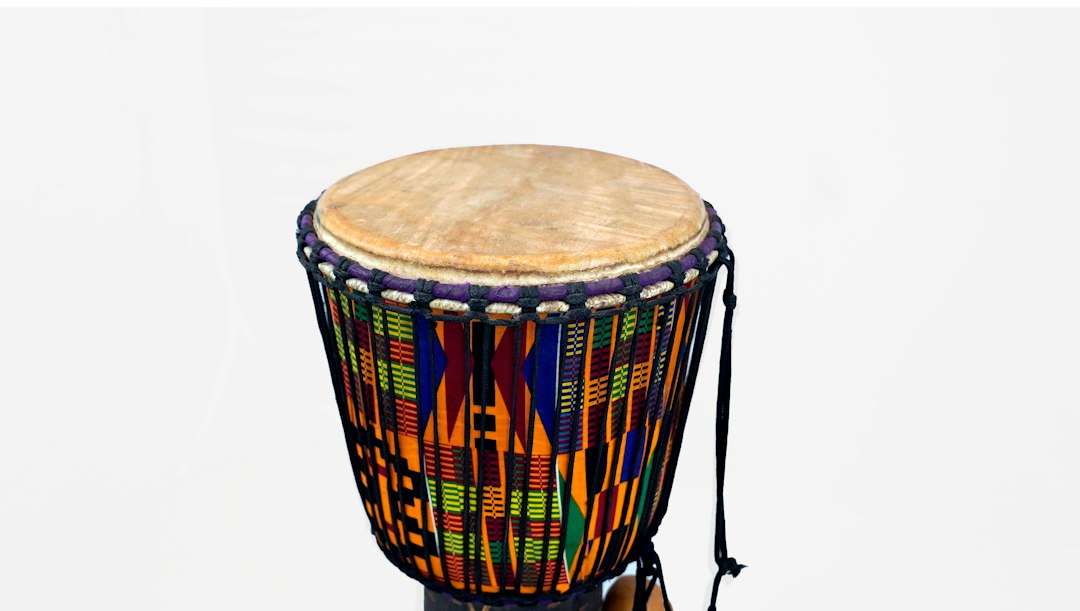
- Dùndún (talking drum): an hourglass-shaped drum whose pitch changes when the player squeezes its cords, so it can copy the tones of spoken Yoruba. It is used to greet, praise and send messages.
- Bàtá: a double-headed drum linked with Ṣàngó worship and Egúngún masquerades. Read more in our guide to Yoruba gods and goddesses (the Orisha).
- Ṣẹ̀kẹ̀rẹ̀: a gourd rattle covered with a net of beads.
- Agogo: a metal bell that keeps the timeline of the rhythm.
- Agidigbo: a thumb piano, central to apala and early juju.
Juju Music
Juju grew out of urban Lagos in the early twentieth century, blending guitar, banjo and local percussion. Tunde King is widely credited as a pioneer. I.K. Dairo later brought the accordion into the sound and took juju beyond Nigeria in the 1960s. In the 1970s and 80s Ebenezer Obey (known for his smooth “miliki” style) and King Sunny Adé (famous for his “Synchro System” with pedal steel guitars and talking drums) made juju the dominant party music of the era. Learn more about the genre on Wikipedia’s juju music page, or browse our Juju category.
Fuji Music
Fuji came from were (also called ajisari), the percussion-led songs Muslim Yoruba communities sing during Ramadan to wake people before dawn. Sikiru Ayinde Barrister turned it into a national genre in the 1970s, and Kollington Ayinla became his great rival. Today King Wasiu Ayinde Marshal (K1 De Ultimate) and Wasiu Alabi Pasuma carry fuji forward at weddings, naming ceremonies and parties across Nigeria. Fuji is driven by dense percussion, a lead singer who praises guests by name, and fast-moving lyrics. See the fuji music overview or our Fuji category.
Apala and Sakara
Apala is another Ramadan-rooted style, led by thumb piano, rattle and drums. Haruna Ishola and Ayinla Omowura are its best-known masters, remembered for sharp, witty lyrics. Sakara, associated with Yusufu Olatunji, uses a frame drum and the one-string goje fiddle and is among the oldest Yoruba popular styles. Explore more in our Apala category.
Afrobeat vs Afrobeats
These two words are often confused. Afrobeat (no “s”) is the genre created by Fela Anikulapo Kuti in the late 1960s and 70s, mixing Yoruba rhythms, highlife, jazz and funk with political lyrics. Drummer Tony Allen was its architect, and Fela’s sons Femi Kuti and Seun Kuti continue the tradition. Afrobeats (with an “s”) is the 2010s pop sound from Nigeria and Ghana. Many of its biggest names are Yoruba, including Wizkid, Davido, Tiwa Savage and Adekunle Gold. Read the full background on Afrobeat. Fela also appears in our list of famous Yoruba people who shaped history.
Street Pop and the New Generation
A newer wave sings and raps in Yoruba. Olamide helped make Yoruba-language street pop a mainstream force, and Asake blended fuji energy with modern production to reach global audiences. See our Street Pop category for more.
Where Yoruba Music Lives Today
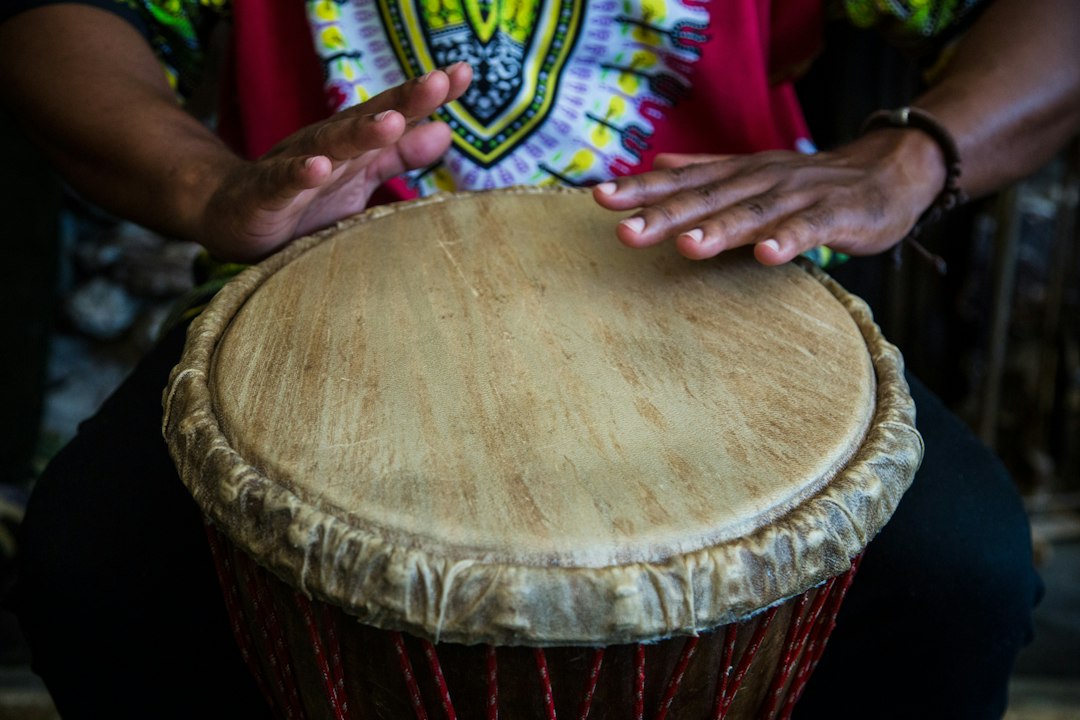
Yoruba music is alive at festivals, weddings and diaspora gatherings, from the World Sango Festival to Yoruba events in London. Its sound also lives on in the Yoruba-derived religious traditions of Brazil and Cuba, and in the proverbs and praise poetry that fill the lyrics, such as the Yoruba proverbs (Òwe) every singer draws from. For the royal history behind much of this praise tradition, see our guide to the Oyo Empire.
Yoruba Music FAQs
What are the main types of Yoruba music?
The main types are traditional drum music, juju, fuji, apala, sakara, Afrobeat and modern Yoruba street pop.
What is the talking drum called in Yoruba?
It is called the dùndún. Its pitch can be bent to copy the tones of spoken Yoruba.
Who is the king of fuji music?
Sikiru Ayinde Barrister is regarded as the father of modern fuji, while King Wasiu Ayinde Marshal (K1 De Ultimate) is its best-known living star.
Is Afrobeat Yoruba music?
Afrobeat was created by the Yoruba musician Fela Kuti and is rooted in Yoruba rhythm, though it also draws on highlife, jazz and funk.



2 Comments