

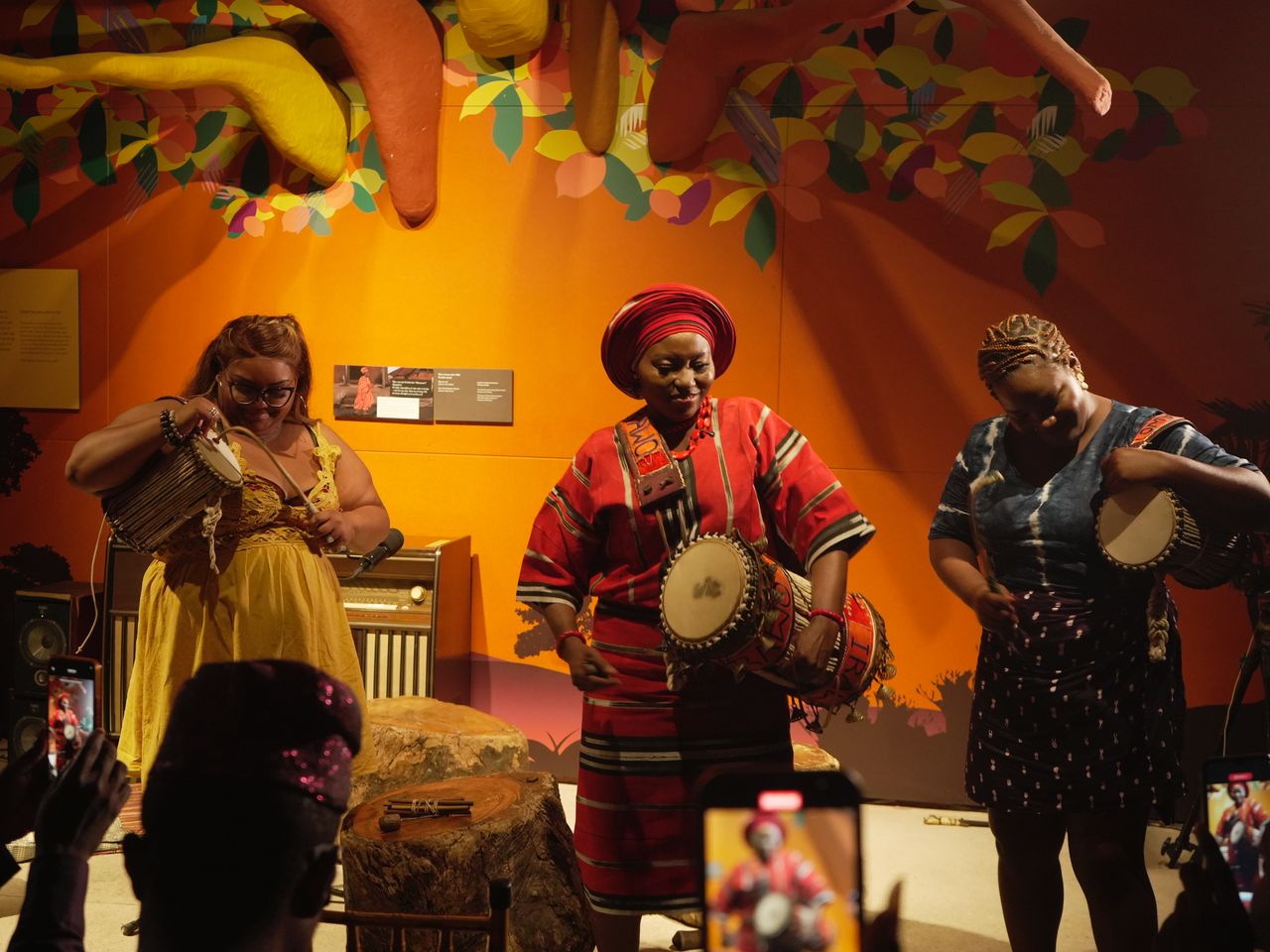
Long before Yoruba films filled cinema screens and streaming apps, Yoruba stories travelled by road. The Yoruba Travelling Theatre took plays in the Yoruba language from town to town with music, dance and drama. It is widely seen as one of the roots of Nigeria’s film industry, and its best-known names are still celebrated today.
What was the Yoruba Travelling Theatre?
It was a form of popular theatre that blended Yoruba art forms with Western stage styles. Plays were performed in Yoruba and drew on folktales, comic satire on everyday life and stories from history and oral tradition. According to Wikipedia, many accounts treat it as pivotal to the growth of Nigerian cinema and the video-film boom that later became Nollywood.
Key names and plays
| Name | Known for |
| Hubert Ogunde | Staged early Yoruba operas from 1944; Strike and Hunger (mid-1940s) dramatised the 1945 General Workers’ Strike |
| Kola Ogunmola | Ife Owólábí (Love of Money), first staged in 1950 |
| Duro Ladipo | Ọba Kò So (The King Did Not Hang) and Èdá |
Why it mattered
- Language: Plays in Yoruba helped keep the language and its proverbs alive for audiences of all ages.
- Voices of the people: Some plays spoke about politics and workers’ lives under colonial rule.
- Women on stage: Wikipedia notes that Ogunde’s 1946 play The Tiger’s Empire is said to have opened drama to women.
From stage to screen
Performers and storytelling styles from this theatre fed into Yoruba films, which today range from comedy to historical drama. Explore the legacy in our guides to the best Yoruba movies, Tunde Kelani and Yoruba historical films. For the writers behind many stories, see famous Yoruba writers.
Frequently asked questions
Who started the Yoruba Travelling Theatre? Hubert Ogunde is the best-known pioneer, with his first Yoruba operas in the 1940s. Wikipedia also notes that the tradition is said to have earlier roots.
Was it only in Yoruba? The plays were performed in Yoruba, which was part of their purpose.
Is it connected to Nollywood? Many writers link the two, though details vary between sources.
Source: Wikipedia, The Yoruba Travelling Theatre. Dates and titles follow that entry; some sources differ slightly.
Photo: a Yoruba storytelling session (2025), from Wikimedia Commons (free-licence file; see the file page for author and licence). It is a modern storytelling photo, not a photo of the original theatre companies.


