Today, 2 October 2026, marks the beginning of Itadogun, an important occasion observed within some Ifá and Òrìṣà communities.
The 2026 Itadogun is scheduled from 2 to 4 October, bringing practitioners together for Ifá consultation, prayer, fellowship, divination and traditional rites. One documented 2026 programme describes Itadogun as a communal occasion in which the wellbeing of community members and leadership is considered through Ifá guidance.
For Ilẹ̀ Abínibí, Itadogun offers an opportunity to look more closely at one of the important spiritual and intellectual traditions that has formed part of Yoruba civilisation for generations.
What Is Itadogun?
Itadogun is a recurring occasion within some Ifá/Òrìṣà communities for communal worship, consultation, prayer and spiritual reflection.
The word is associated with the number seventeen in Yoruba. Different Ifá communities may observe and describe Itadogun according to their own lineage and practice, so there can be variations in how the occasion is organised.
A documented 2026 programme from Ileifa describes Itadogun as an event that occurs every 90 days at its temple and focuses on communal Ifá reading, prayer, fellowship, divination and guidance for individuals and the wider community.
This communal character is particularly important.
Rather than focusing only on an individual’s spiritual concerns, the occasion can provide a space to consider the wellbeing, harmony and future of the wider community.
Itadogun and the Yoruba Idea of Community
One fascinating aspect of Yoruba traditional thought is the importance placed on relationships.
The individual does not exist completely apart from the family, lineage and community.
This principle can be seen in many areas of Yoruba life, including traditional leadership, festivals, family ceremonies, ancestral remembrance and religious practices.
Itadogun reflects this communal dimension by bringing people together for collective spiritual activities.
For participating communities, it can be a time to pray, seek guidance, express gratitude and reflect on the direction of their lives and community.
The Connection Between Itadogun and Ifá
To understand Itadogun, it is useful to understand the place of Ifá within Yoruba intellectual and spiritual heritage.
Ifá is a traditional system of knowledge and divination associated with Ọ̀rúnmìlà, who is regarded in Yoruba tradition as an important figure associated with wisdom, knowledge and divination.
Ifá is not simply a collection of predictions. It contains an extensive body of oral knowledge involving verses, stories, philosophical ideas, ethical teachings and guidance.
UNESCO inscribed the Ifá divination system on the Representative List of the Intangible Cultural Heritage of Humanity in 2008, recognising its importance as a body of knowledge transmitted orally from generation to generation.
This makes Ifá an important part of the cultural heritage that deserves documentation and responsible preservation.
Why Ilé-Ifẹ̀ Matters
The reference to Ilé-Ifẹ̀ is especially significant when discussing Yoruba heritage.
Ilé-Ifẹ̀ is widely regarded as an ancient centre of Yoruba civilisation and holds an important place in Yoruba historical and spiritual traditions. The Osun State Government describes Ifẹ̀ as an ancient Yoruba city and the ancestral and spiritual home of the Yoruba people.
The city is also renowned for its extraordinary artistic heritage, including ancient naturalistic bronze, stone and terracotta works dating to approximately the medieval period.
It is therefore not surprising that traditions connected with Ifá and Òrìṣà continue to have a strong cultural connection with Ilé-Ifẹ̀.
Prayer, Divination and Traditional Rites
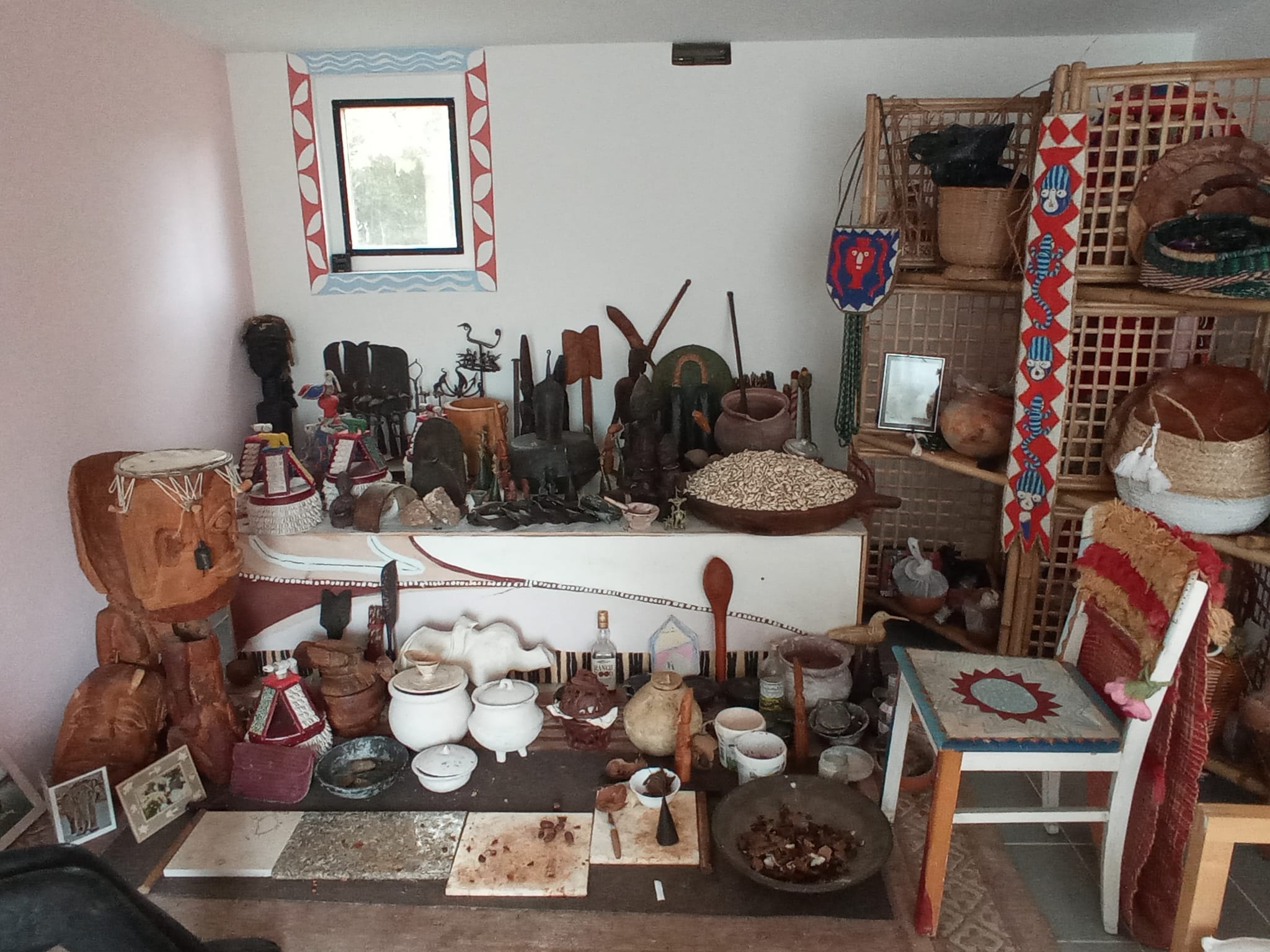
During Itadogun, participating communities may engage in activities including prayer, divination, offerings and other traditional rites, according to the customs of their particular lineage or community.
The documented 2026 programme states that Babaláwos, Ìyánífás, Òrìṣà priests, temples and Egbe groups can participate in the communal activities and that divination may be followed by appropriate rites based on the messages received.
These practices should be understood within their cultural and religious context.
For practitioners, they represent a way of maintaining a relationship with the spiritual tradition, seeking guidance and expressing appreciation to Olódùmarè, Ifá and the Òrìṣà.
A Tradition That Connects Generations
Perhaps one of the most important lessons from Itadogun is continuity.
Yoruba traditional knowledge has historically been transmitted orally through elders, priests, families, communities and apprenticeships.
That means a festival or communal religious gathering can also become an informal classroom.
Younger people can observe ceremonies, listen to elders, learn prayers and verses, understand traditional values and discover aspects of their heritage that may not be taught in conventional classrooms.
This is particularly important in a modern world where many indigenous languages and cultural practices face the risk of being forgotten.
Itadogun and the Preservation of Yoruba Heritage
The preservation of Yoruba culture does not mean that every Yoruba person must practise the same religion or participate in the same ceremonies.
Yoruba society has always contained different religious, philosophical and cultural experiences.
The value of documenting occasions such as Itadogun is that future generations can understand what Yoruba communities practised, believed, taught and valued.
Culture survives when it is remembered, documented, taught and transmitted.
What Can We Learn From Itadogun?
1. Community Matters
Itadogun highlights the importance of coming together and considering the wellbeing of others.
2. Knowledge Should Be Preserved
Ifá demonstrates how complex bodies of knowledge can survive through oral transmission across generations.
3. Our Heritage Deserves Documentation
Recording Yoruba festivals, ceremonies, language and traditions helps future generations understand their history.
4. Spiritual Traditions Are Also Cultural Heritage
Religious practices can contain language, music, philosophy, art, oral literature and historical knowledge.
5. Younger Generations Have a Role to Play
The survival of Yoruba heritage depends greatly on whether younger people learn about their language, history and traditions.
Itadogun 2026
The 2026 Itadogun programme runs from 2 to 4 October, according to the published event information.
For participating Ifá/Òrìṣà communities, these days provide an opportunity to come together, seek guidance, pray, perform traditional rites and strengthen community relationships.
For everyone interested in Yoruba history and culture, it also provides an opportunity to learn.
It reminds us that Yoruba heritage is not limited to clothing, food, music and festivals. It also includes philosophy, spirituality, oral literature, indigenous knowledge, traditional institutions and systems of thought that have been transmitted across generations.
Keeping the Knowledge Alive
As we mark Itadogun 2026, the larger lesson for us at Ilẹ̀ Abínibí is simple:
Know your history. Learn your language. Understand your traditions. Respect different expressions of Yoruba heritage. And pass valuable knowledge to the next generation.
Our culture is not only something to remember during festivals.
It is a living heritage.
Did You Know About Itadogun?
Have you ever witnessed an Itadogun gathering or participated in one?
What other Yoruba traditional practice, festival, ceremony or cultural institution would you like Ilẹ̀ Abínibí to explain next?
Tell us in the comments. 🌿