Talking about work is a natural next step once you know greetings and basic words. This guide lists common jobs in Yoruba. Many occupation words begin with o or a, which often marks ‘a person who does something’.
Common occupations
| English | Yoruba |
|---|---|
| Teacher | Olùkọ́ |
| Doctor | Dókítà |
| Nurse | Nọ́ọ̀sì |
| Farmer | Àgbẹ̀ |
| Driver | Awakọ̀ |
| Trader | Oníṣòwò |
| Blacksmith | Alágbẹ̀dẹ |
| Carver | Agbẹ́gilére |
| Fisherman | Apẹja |
| Tailor | Aránṣọ |
| Police officer | Ọlọ́pàá |
| Artist / painter | Ayàwòrán |
Traditional crafts
Yorubaland has long been known for skilled craftspeople: blacksmiths, wood carvers, weavers and dyers. See our guide to traditional attire for cloth, and our guide to market words for the trading side of life.
Asking about work
- Use the question words from our question words guide to ask someone about their work.
- Use pronouns and verbs to build full sentences.
- Greet colleagues respectfully; see greeting elders.
Frequently asked questions
How do you say teacher in Yoruba? Olùkọ́.
How do you say farmer in Yoruba? Àgbẹ̀.
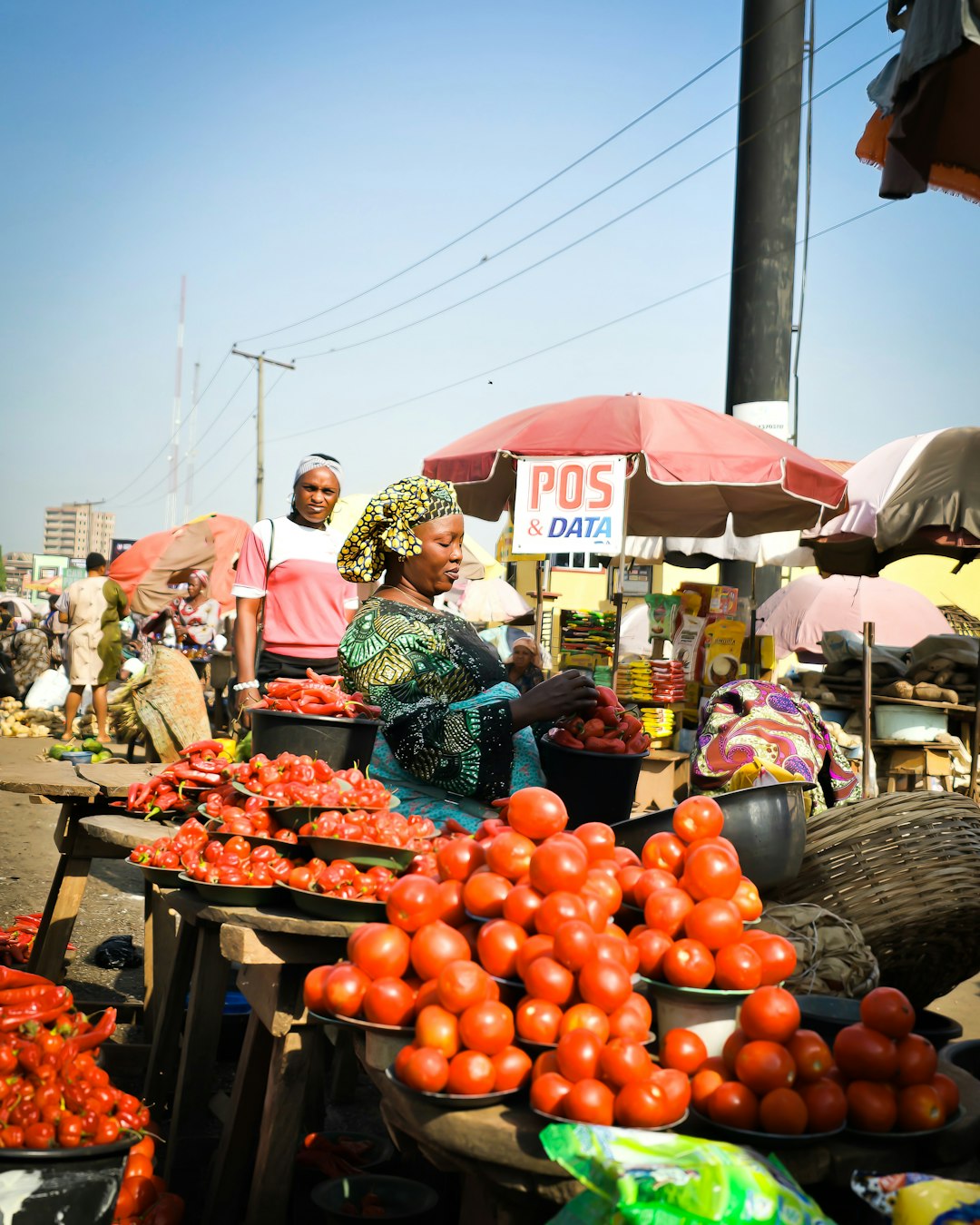
Photo: Unsplash contributor, a seller at Bodija Market, Ibadan, illustrative of work. Spellings and tone marks follow common usage; check with a native speaker for formal writing.