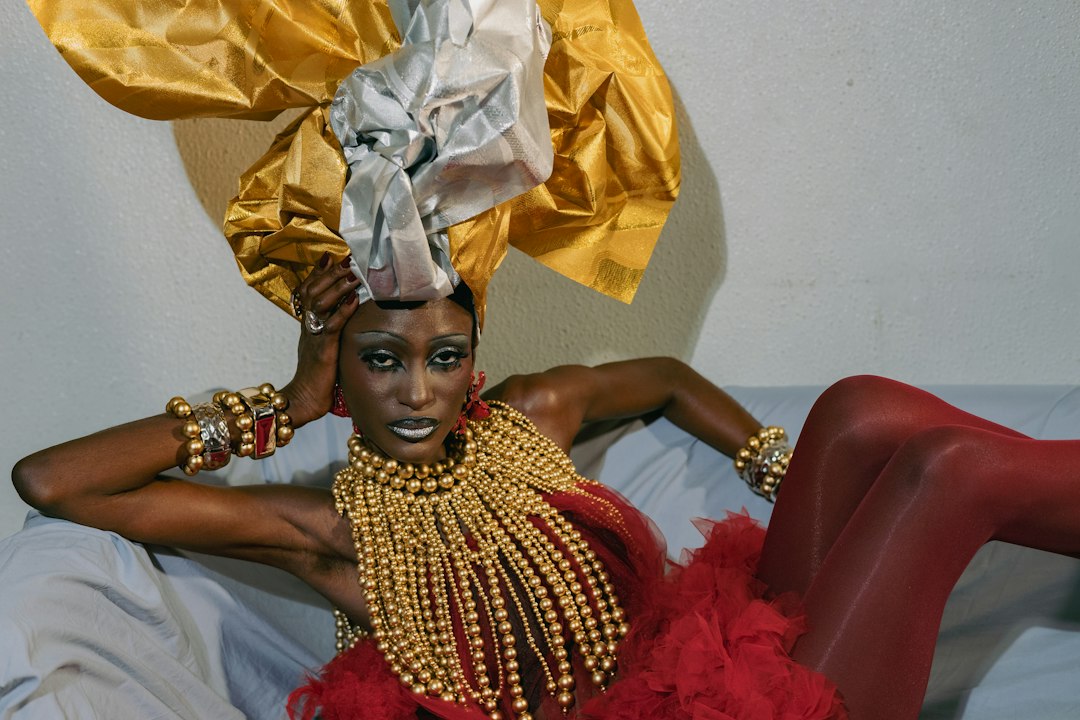
Hair has long been an art form among the Yoruba. Braiding, threading and sculpting hair into patterns is a skill passed down through families, and many styles have names that describe their shape. This guide introduces some of the best-known traditional Yoruba hairstyles. Names and spellings vary between towns, so treat this as a general introduction.
Well-known styles
| Style | What it is |
|---|---|
| Irun kiko | Hair wrapped with black thread and shaped into sculpted forms that stand away from the head |
| Suku | Hair braided upward into a raised, basket-like crown on top of the head |
| Kolese | Neat braids that run in lines from the front of the head to the back |
| Ipako elede | A style braided and shaped into a rounded form at the back of the head, with a name that refers to the shape |
Why hair matters
Hairstyles are part of how people dress for celebrations. Hair is often styled to go with a headtie or gele; learn about that in our guide to how to tie a gele and our guide to women’s traditional attire. Braiding sessions are also social times, where women talk, tell stories and pass on news.
Where to see them
- At weddings and parties; see our owambe guide and the traditional wedding guide.
- At cultural festivals and in museums with Yoruba art; see places to visit in Ibadan.
- In Yoruba sculpture and photographs, where hair is often carefully shown.
Frequently asked questions
What is irun kiko? A thread-wrapped hairstyle where the hair is shaped into sculpted forms.
Are these styles still worn? Yes, especially for cultural events and weddings, and they inspire modern braiding.
Photo: Unsplash contributor, a woman in elaborate headwear and jewellery, illustrative of Yoruba dress and not an example of a specific style named above. Descriptions are general and spellings vary.