Before video games, Yoruba children learned, played and told stories together. Many of these games are still loved today. This guide introduces some well-known traditional pastimes. Names and rules differ between towns, so this is a general overview.
Ayò: the seed board game
Ayò, often called ayò olopon, is a strategy board game for two players. It is played on a wooden board with two rows of pits and small seeds or stones that players move around the board, capturing their opponent’s seeds. It belongs to the wide family of ‘mancala’ games found across Africa. Playing it builds counting and planning skills, and boards are often carved by hand.
Àlọ́: riddles and tales
Àlọ́ are riddles and short tales told by elders, usually in the evening. Many stories feature animals, especially the clever tortoise; read Ìjàpá folktales. The stories teach right and wrong in a gentle way and help children practise the language. Proverbs work in a similar way; see our guide to Yoruba proverbs.
Clapping, singing and chasing games
Children also play singing and clapping games and many chasing and hide-and-seek games, often in the compound or on the street. Rhymes and songs are passed from child to child, and the words differ from place to place.
Why they matter
- They teach counting; see numbers in Yoruba.
- They keep the language alive; read why in Yoruba language in danger.
- They bring families together; see family words in Yoruba.
Frequently asked questions
What is ayò? A traditional two-player seed board game.
What is àlọ́? Riddles and tales told for entertainment and teaching.
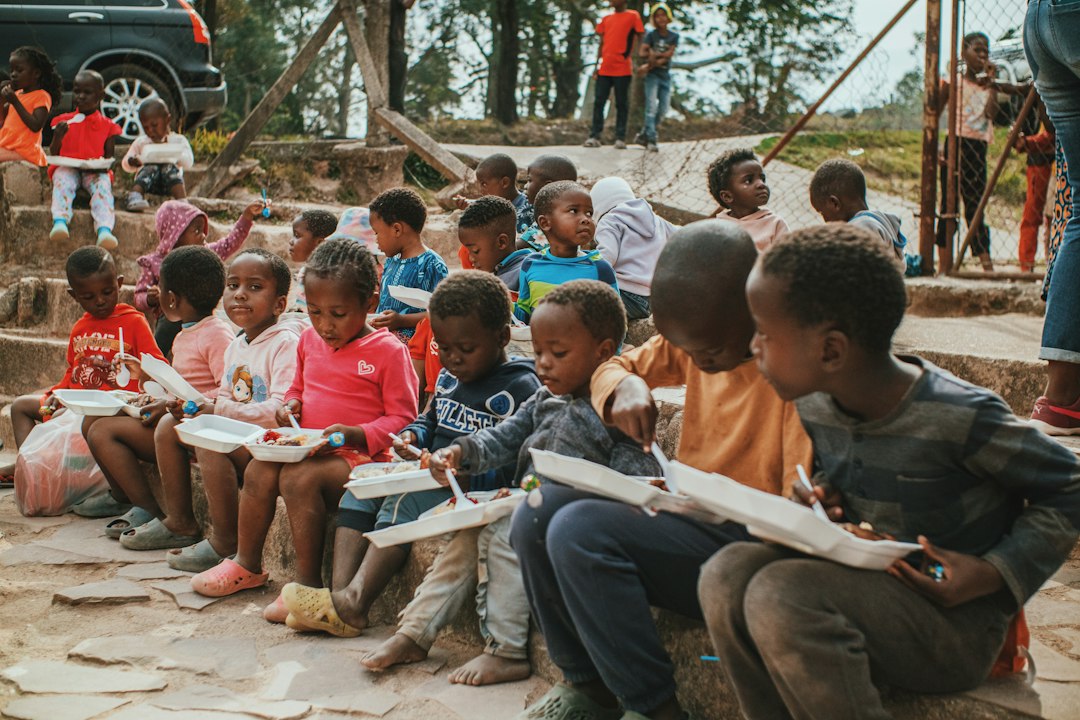
Photo: Unsplash contributor, children on steps with books, illustrative of childhood; it does not show the games described. Rules and names vary by region.