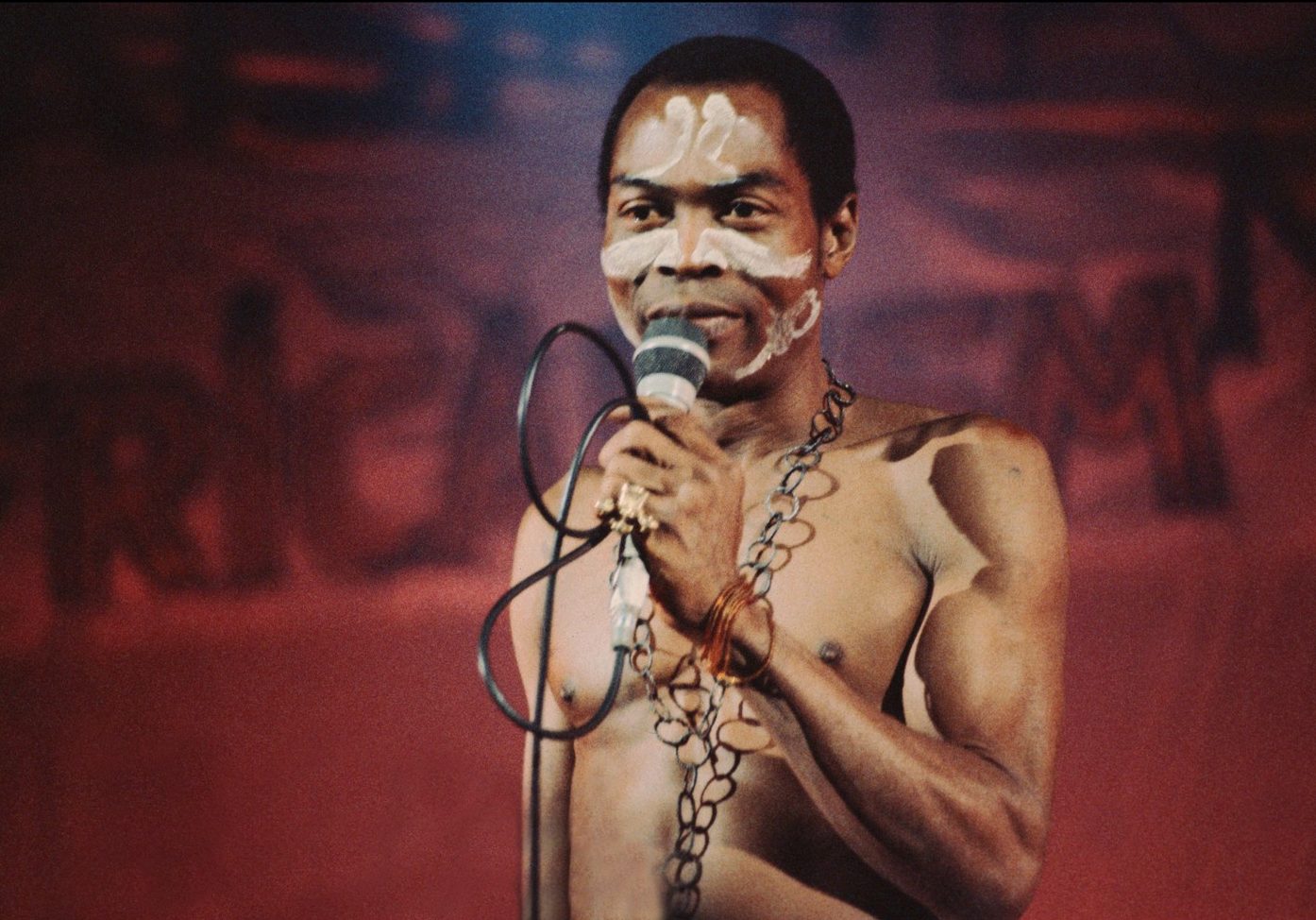
On 15 October 1938, one of Africa’s most influential musicians, Olufela Olusegun Oludotun Ransome-Kuti, popularly known as Fela Anikulapo-Kuti, was born in Abeokuta, Ogun State.
More than eight decades later, his name remains closely associated with Afrobeat, African music, cultural identity and a powerful musical voice that travelled far beyond Nigeria.
But before Fela became an international music icon, he was a boy from Abeokuta, born into one of the most remarkable families in Nigerian history.
Born into a remarkable Yoruba family
Fela was born into the famous Ransome-Kuti family, a family whose influence extended across education, music, medicine, social activism and Nigeria’s independence struggle.
His father, Reverend Israel Ransome-Kuti, was the principal of Abeokuta Grammar School, while his mother, Funmilayo Ransome-Kuti, became one of Nigeria’s prominent nationalist and women’s rights activists.
His family also had a remarkable musical tradition. Fela’s paternal grandfather, Reverend Josiah Jesse Ransome-Kuti, had recorded Yoruba hymns in London as early as 1925. Fela therefore grew up surrounded by education, music, social consciousness and a strong connection to Abeokuta and Yoruba society.
From Abeokuta to the world
Fela began learning the piano as a child and later travelled to London, where he studied music at Trinity College of Music.
His early musical career explored jazz and highlife before he gradually developed the distinctive sound that became known as Afrobeat.
By the early 1970s, Fela had developed Afrobeat into a powerful musical form combining African rhythms with jazz, funk and other influences. His music became particularly influential across West Africa and eventually gained a global audience.
Why Fela matters to Yoruba heritage
Fela’s story cannot be separated completely from the cultural environment from which he emerged.
He was born in Abeokuta, one of the historic centres of Yorùbáland. His family was deeply connected to the intellectual, cultural and political life of the region.
Later, Lagos became the major centre of his musical career. His Africa Shrine became an important gathering place for music, performance and social commentary.
Through his music, Fela also used African languages, rhythms, cultural references and social experiences to create something that could speak both to Nigerians and to audiences around the world.
That journey, from Abeokuta to Lagos and eventually the international stage, is an important part of the story of modern African popular culture.
Fela’s name became part of his identity
Fela was originally known as Fela Ransome-Kuti. In the 1970s, he changed his surname to Anikulapo-Kuti, a name he associated with his personal identity and philosophy.
His official biography records the meaning as “one who carries death in his pouch.”
The name became inseparable from the image of an artist who refused to separate his music from his ideas, experiences and identity.
15 October has another Fela connection
There is an interesting twist to this date.
15 October 2012, exactly 74 years after Fela’s birth, the Kalakuta Museum in Lagos was officially opened.
The museum preserves aspects of Fela’s life, music and legacy, including photographs, musical instruments, clothing, artwork and other historical materials connected to his career.
So, 15 October is not only the anniversary of Fela’s birth. It has also become associated with the preservation of his memory.
The legacy lives on
Fela died in 1997, but his influence did not end with his death.
His sons Femi Kuti and Seun Kuti continued his musical legacy, while the wider Kuti family has remained involved in preserving and promoting his work.
His music has also continued to inspire musicians and listeners across Africa and the global diaspora. His official archive describes Afrobeat as having become one of the most widely followed styles across West Africa.
For Ilẹ̀ Abínibí, Fela’s story is another reminder that the history of Yorùbáland is not confined to ancient kingdoms, traditional institutions and historical monuments.
It also lives in the stories of modern Yorùbá people whose creativity travelled from places such as Abeokuta and Lagos to the wider world.
Did You Know?
On 15 October 1938, Fela Anikulapo-Kuti was born in Abeokuta.
From that historic Yorùbá city, he would go on to become one of Africa’s most recognisable musicians and a major figure in the development and global spread of Afrobeat.
Which Fela song do you think every young Nigerian should listen to at least once?
Share your choice in the comments.
Ilẹ̀ Abínibí — Preserving the Story, Celebrating the Heritage.