Yoruba tribal marks, known as ìlà, are cuts made on the face and body that once told others who a person was: their family, their town and often their place in society. The practice is now fading, but Yoruba tribal marks still appear on elders across south-western Nigeria, in old photographs and in stories about royal households. This guide explains what ìlà are, the main types, who made them and how they are viewed today.
According to Wikipedia’s page on Yoruba tribal marks, the marks are practised by Yoruba people in Nigeria, Benin and Togo and are usually cut or burned into the skin during childhood.
Why Yoruba Tribal Marks Were Made
The main purpose was identification. A mark could point to a person’s tribe, family or patrilineal heritage. Wikipedia also lists beauty and Yoruba creativity as reasons, along with protection: ilà àbíkú were made for children believed to keep dying and returning, so that they would stay alive. The marks also gave a child full clan membership rights.
A popular article on Oriire adds that marks were usually made at birth or in childhood, or later after a feat of strength or bravery. It says men typically received more prominent marks, while women received subtler, more delicate ones.
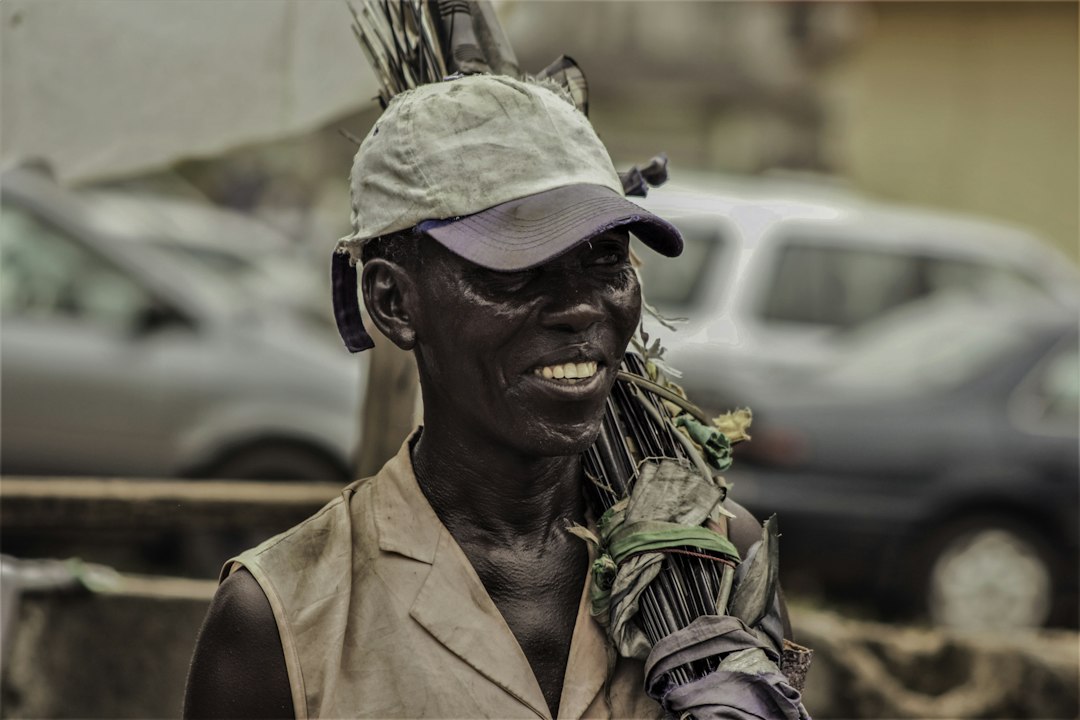
Where the practice began is unclear. One account says invading kings marked themselves and their families to stand apart from the people they captured. Another links the marks to the Atlantic slave trade, when families marked members so they could find each other if separated, although Wikipedia flags that claim as needing a citation. It is wise to treat every origin story as tradition rather than settled history.
7 Common Types of Ìlà and What They Mean
Marks differed by town, lineage and region, and sources do not always agree on the exact patterns. The list below reflects what the cited sources state.
- Pele: three vertical lines on the cheeks. Variants include Pele Ife, Pele Ijebu and Pele Ijesha, named for the places they are linked to.
- Abaja: sets of horizontal stripes on the cheeks, strongly linked to Oyo. A complex form, called Abaja Alaafin Mefa Mefa, has twelve lines, six on each cheek, and is described as unique to Oyo.
- Gọmbọ (Kẹkẹ): straight and curved lines on the cheeks beside the mouth, associated with Ogbomoso. It is called Kẹkẹ when the lines are wide and bold.
- Owu: six incisions on each cheek, linked to Owu in Abeokuta.
- Eyo: lines along the arms and legs, reserved mainly for members of the royal family and palace-born people with close royal ties in Oyo. It has faded since slavery declined.
- Soju: thick vertical lines from the nose to the mouth, said to identify Ondo people.
- Jaju: a single horizontal line on each side of the face.
Other names that appear in the sources include Ture, Mande, Bamu and Jamgbadi, though they are not described in detail. If you want to see how these regional groups relate to each other, read our guide to the Yoruba subgroups.
Who Made Yoruba Tribal Marks and How
Oriire says ìlà were cut with razor blades or sharp knives, and that a dye or black paste, usually ground charcoal, was rubbed in to stain the marks and stop the bleeding. The sources I could access say little about the specialists who made them, so it is best not to assume more than that.
Are Yoruba Tribal Marks Still Used Today?
The practice is fading because of colonialism and modernisation, and it is no longer the norm. Some Yoruba states have prohibited it. Oyo State’s Child Rights Law states: “No person shall tattoo or make a skin mark or cause any tattoo or skin mark to be made on a child.” The penalty is a fine, one month in prison, or both.
Tradition has not disappeared entirely. Wikipedia notes that some thrones still expect a new king to carry a specific mark, and that new kings of Iseyin are still expected to bear the Pele mark. Oriire reports that young people with marks are often met with derision or pity, while elders may wear theirs with pride.
Why Yoruba Tribal Marks Still Matter
Even when the practice is set aside, the marks remain a record of belonging. They connect to wider ideas of lineage, respect and character explained in our piece on Yoruba culture, traditions and the value of omoluabi, and to the histories of places such as the Oyo Empire and Ijebu-Ode.
Frequently Asked Questions
What are Yoruba tribal marks called?
They are called ìlà. Individual patterns have their own names, such as Pele, Abaja, Gọmbọ and Owu.
Which mark is linked to Oyo?
Abaja is the mark most strongly linked to Oyo, and the twelve-line version known as Abaja Alaafin Mefa Mefa is described as unique to the town.
Is it legal to mark a child today?
Oyo State’s Child Rights Law bans tattooing or skin-marking a child, and other Yoruba states have also prohibited the practice, according to Wikipedia. Check current local law for any specific state.
Sources: Wikipedia, Yoruba tribal marks; Oriire, The Yoruba Ìlà. Photo: Ben Iwara and Stephen Olatunde / Unsplash.