

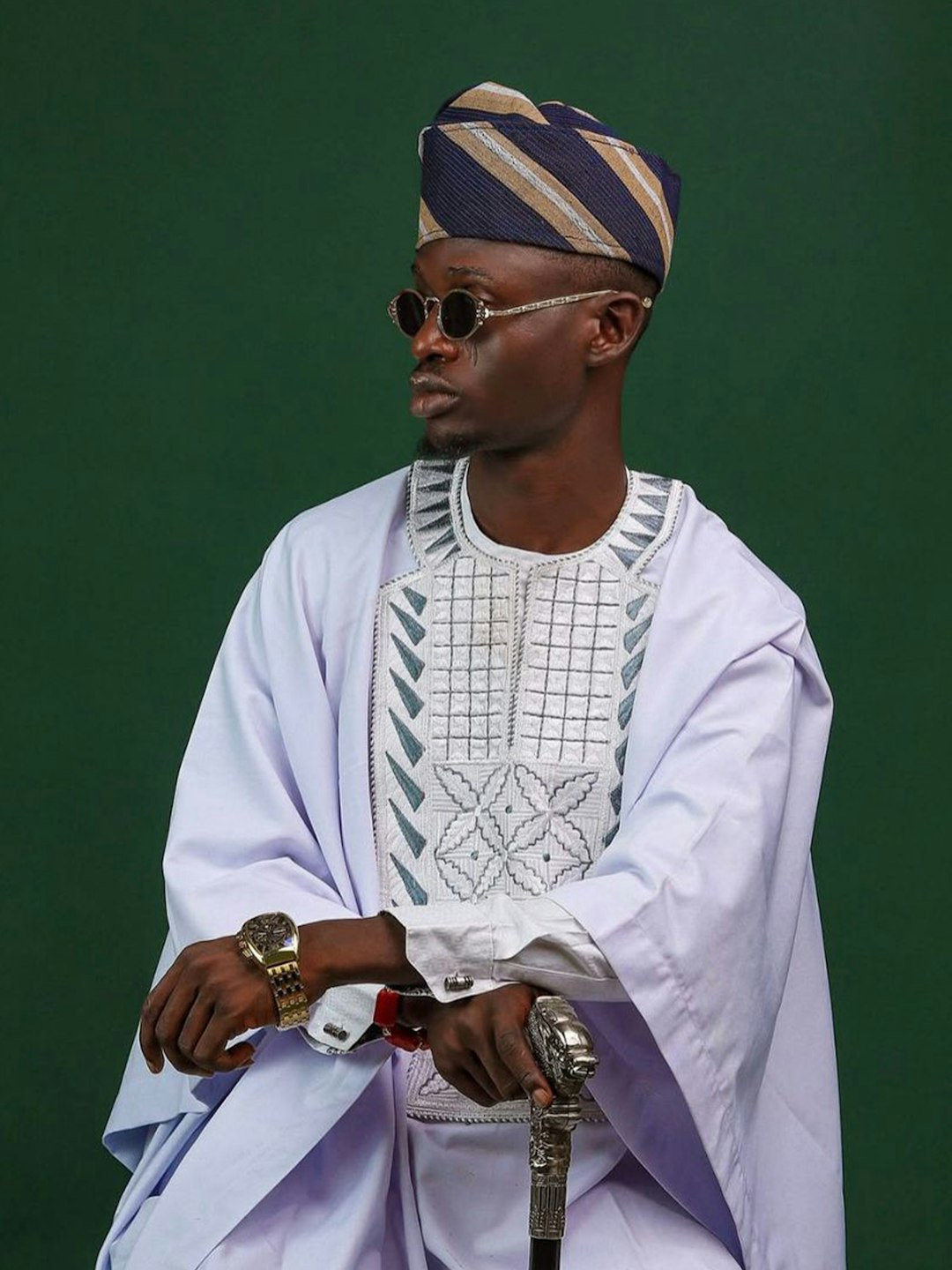
Yoruba traditional attire for men is easy to recognise and hard to forget: a wide, flowing robe, a neat cap set at a confident angle, and rich hand-woven cloth that catches the light. Behind the look is a full wardrobe with its own pieces, names and occasions.
This guide walks through each part of the outfit, explains the fabrics, shows when each piece is worn, and offers simple styling and etiquette tips. If you want the wider picture first, our overview of Yoruba traditional attire covers women’s and men’s dress together.
The Five Core Pieces at a Glance
Most outfits are built from a few key items. According to Wikipedia’s page on Yoruba clothing, the agbada is a multi-layered robe worn for both ceremonies and everyday outings, the sokoto is the traditional trouser, and the fila is the men’s cap. Here is a quick summary.
| Piece | What it is | Typical use |
|---|---|---|
| Agbada | Large, flowing outer robe | Weddings, festivals, chieftaincy events |
| Buba | Loose shirt worn under the robe | Layer beneath the agbada, or on its own |
| Sokoto | Drawstring trousers | Paired with buba or agbada |
| Fila | Cap in styles such as gobi and abeti aja | Completes formal and casual outfits |
| Aso oke | Hand-woven prestige cloth | Fabric for robes, caps and sets |
Agbada: The Flowing Robe of Ceremony
The agbada is the centrepiece of Yoruba traditional attire for men. The Museum of Mande and African Arts describes it as a three-part set: a voluminous outer robe called the awosoke, an ankle-length under-robe called the awotele, and trousers that narrow at the ankles. You can read more in its guide to the agbada.
Its exact origins are debated. Some historians connect it to Islamic dress that travelled with North African traders, while others see it as an evolution of local West African clothing. Most agree that it is closely tied to Yoruba culture today, and that it signals dignity, status and pride in heritage.
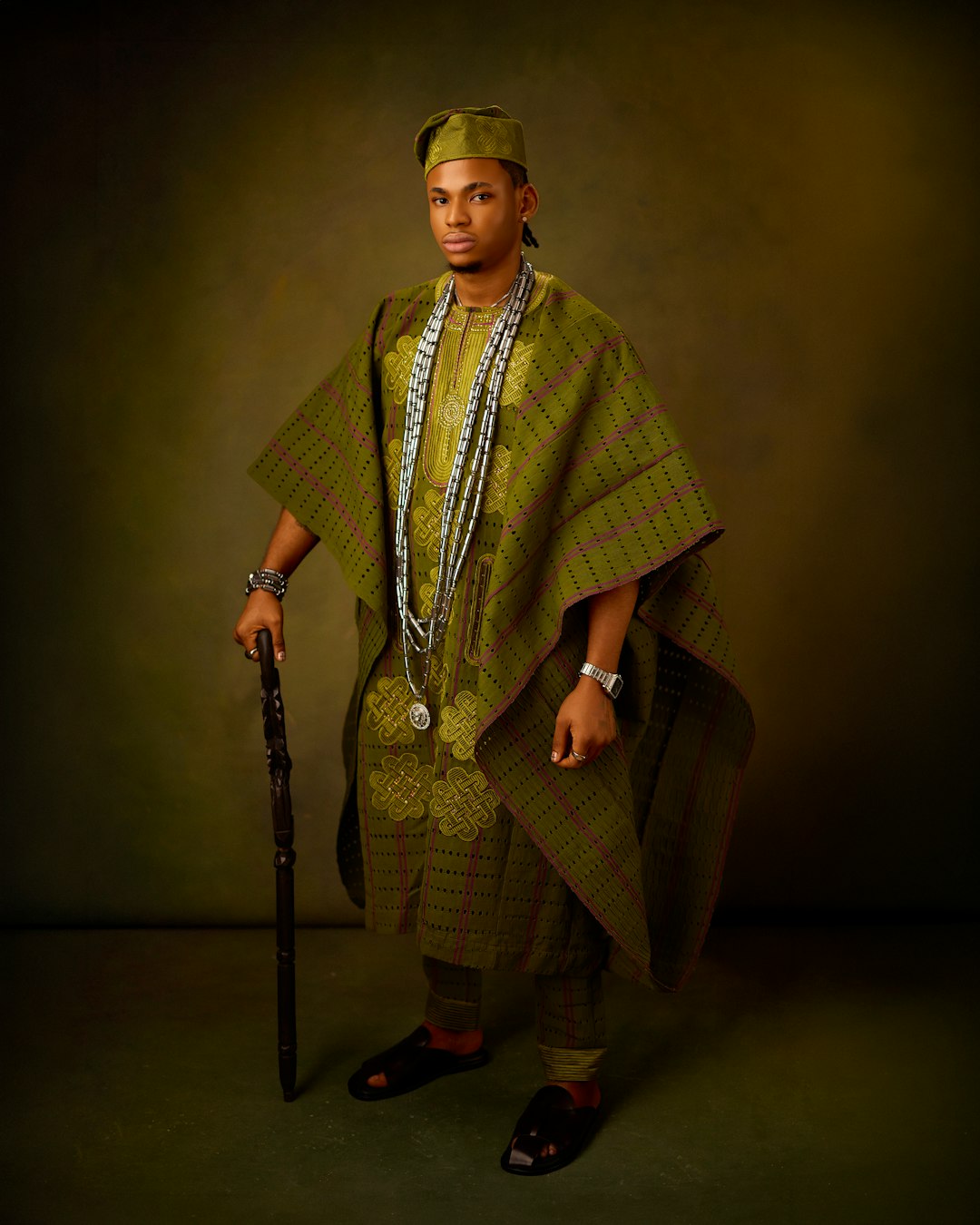
There are two broad versions. The lighter agbada iwole suits everyday gatherings, while the larger, heavily embroidered agbada amurode is kept for weddings, chieftaincy ceremonies and festivals, as explained by Discover Yoruba. A related garment, the gbariye, is shorter and less layered.
Buba and Sokoto: The Everyday Foundation
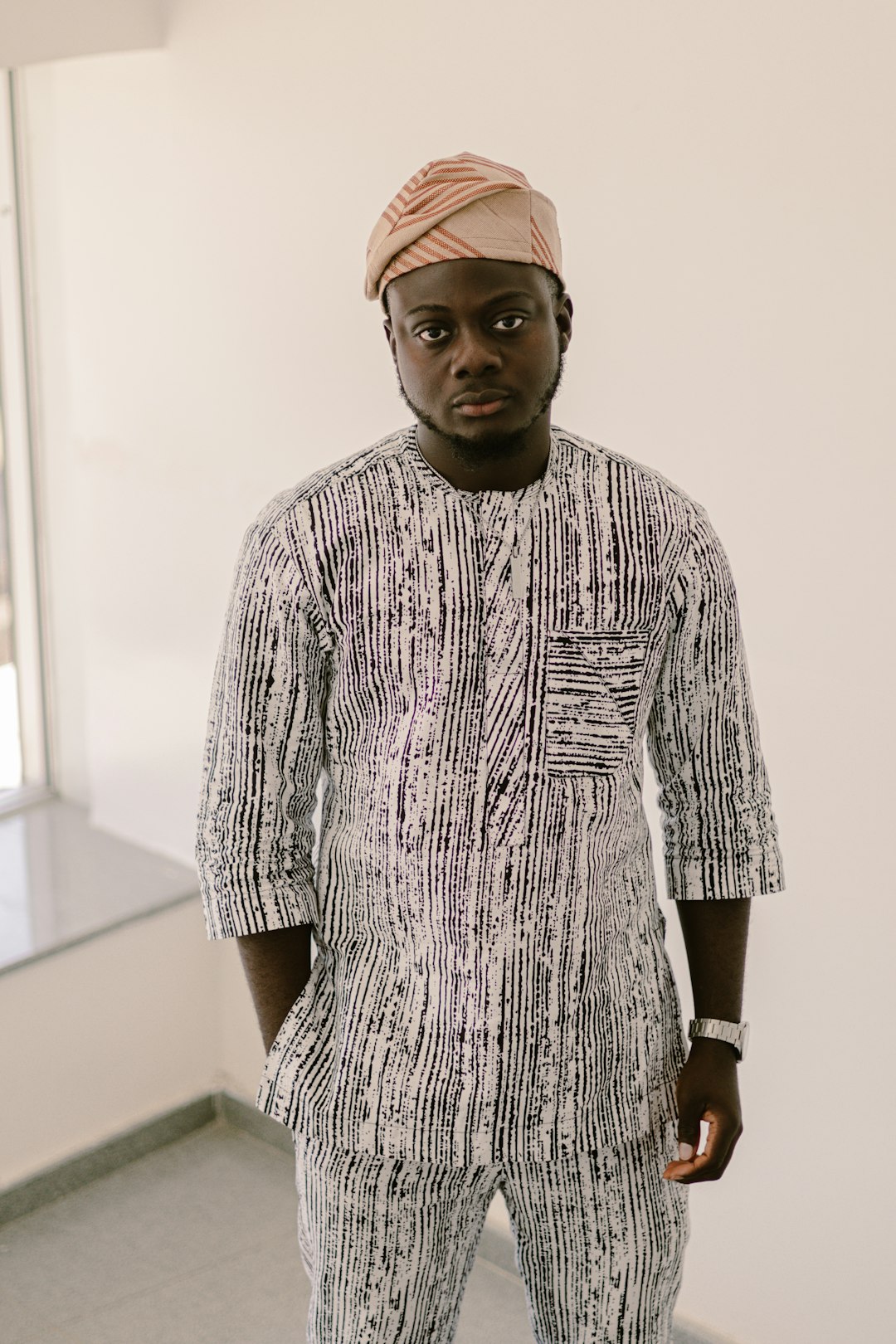
Beneath the robe sits the buba, a loose shirt with sleeves. The sokoto is tied at the waist with a drawstring and comes in two main cuts: the sooro, which is close-fitting and narrow at the ankle, and the kembe, which is loose and wide-legged.
Together, buba and sokoto make a comfortable set for daily wear, family visits and informal celebrations. Add an agbada on top and the same set becomes formal. A shorter tunic called the dansiki is another popular casual choice and goes well with trousers.
Many readers know the word buba from women’s dress, so if you are curious about how the two compare, see our guide to aso ebi, iro and buba etiquette.
Fila: The Cap That Completes the Look
A fila is a close-fitting men’s cap, usually worn tilted to one side above the ear. Wikipedia’s article on the fila hat lists the gobi, which has a dropped side, and the abeti aja, whose two flat flaps are often compared to dog ears and can be pushed up or down.
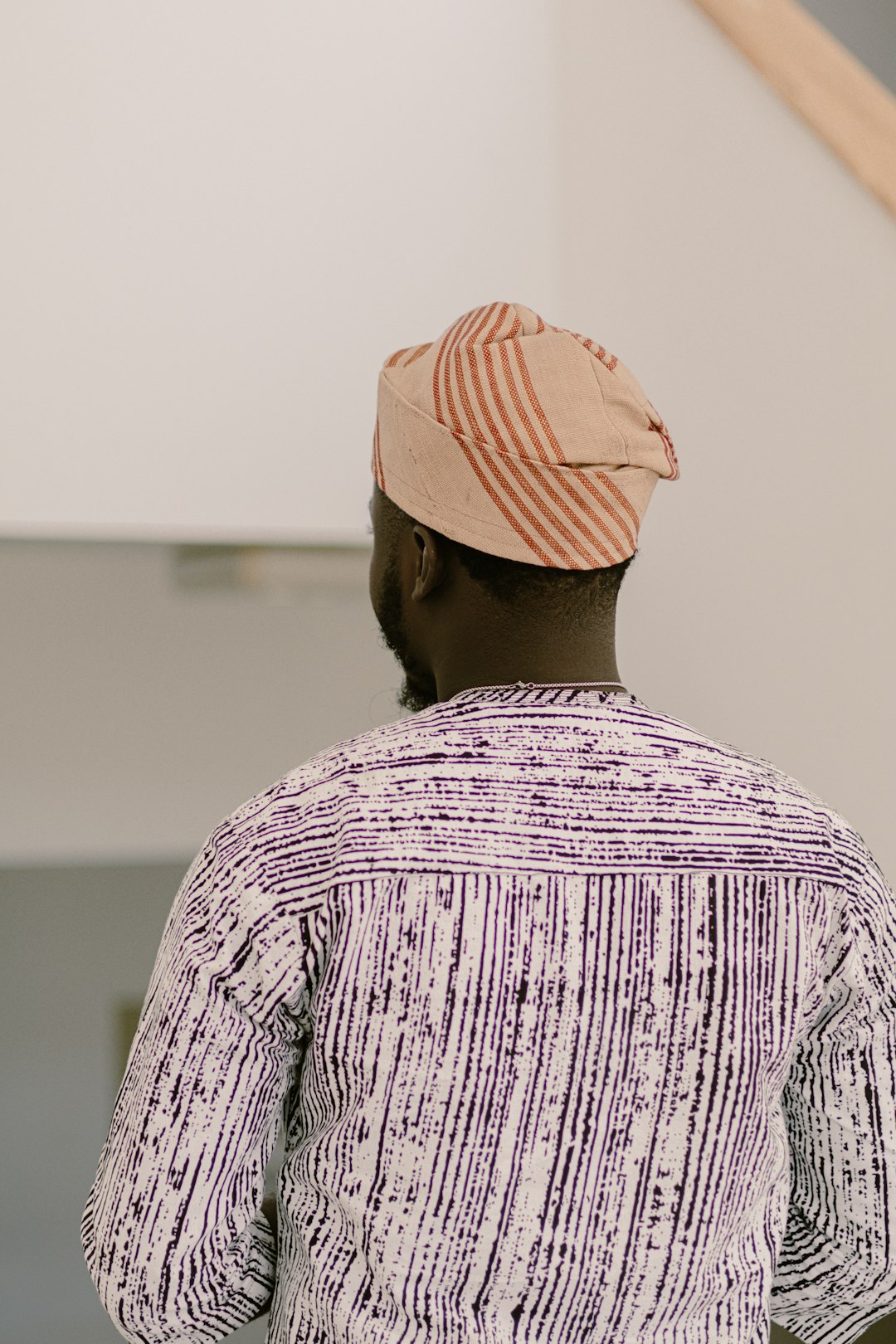
Caps can be made from hand-woven aso oke, cotton, velvet or damask. A fila is expected with formal outfits such as the agbada, and it also pairs happily with casual Yoruba clothing.
The tilt carries folk meanings. Some people say a gobi tilted to the right shows a man is unmarried and one tilted to the left shows he is married, though explanations vary. Younger men are also said to tilt the cap forward, while older men tilt it back. Treat these as popular sayings, not strict rules.
Aso Oke: The Prestige Fabric Behind the Outfit
Aso oke is a hand-woven cloth from the Yoruba people and is considered the most prestigious traditional fabric in Nigeria. Wikipedia’s entry on aso oke notes that it is traditionally woven by men and used for agbada and fila, and that Iseyin, in Oyo State, has long been a major production centre.
Three classic types are worth knowing:
- Sanyan: made from wild silk and cotton, usually tan or brown.
- Etu: dark indigo with fine white stripes. It also has ritual uses, including in Egungun masquerades.
- Alaari: cotton with shiny threads, typically deep red or purple.
To see how these cloths come to life on the loom, read our explainer on how aso oke is woven.
When to Wear Each Piece
Occasion shapes the outfit. Aso oke is worn for weddings, festivals, funerals and chieftaincy ceremonies, while lighter pieces suit daily life. A simple guide:
- Weddings and engagements: a ceremonial agbada in aso oke or embroidered fabric, with a matching fila. See our Yoruba traditional wedding guide for the wider ceremony.
- Festivals and chieftaincy events: the larger, richly decorated agbada, sometimes with a pakaja, a toga-like garment draped over one shoulder and linked with older men and chiefs.
- Family visits and church or mosque outings: a lighter agbada or a neat buba and sokoto set with a fila.
- Everyday wear: dansiki or buba with sokoto, in breathable cotton.
How to Style Yoruba Traditional Attire for Men
Good styling starts with fit and fabric. Choose a robe that drapes well without swallowing your frame, and make sure the sleeves can be folded or lifted over the shoulder with ease. If you are unsure, a tailor who regularly sews agbada can adjust the length and width for you.
Colour coordination matters too. Matching the fila to the robe gives a polished, unified look, and a contrasting buba beneath can add depth. Keep accessories simple: a walking stick or a modest pair of shoes is usually enough. Heavy embroidery already does the talking.
For hot days, lighter cotton or a smaller agbada keeps you comfortable. For heavier aso oke sets, plan to stay cool by arriving early, sitting in the shade and carrying a handkerchief.
Etiquette and Respect
The sources we read do not set out strict dress codes, so the tips below are friendly guidance, not formal rules. The first is to dress for the occasion: if a family has chosen a colour or fabric, follow it. The second is to treat elders and traditional rulers with courtesy, and in some communities the grandest robes and titles are tied to age and rank, so avoid copying chiefly styles without being invited to.
Third, handle hand-woven cloth with care, since aso oke is a valued fabric and often an heirloom. Fourth, greet properly when you arrive; our guide to greeting elders in Yoruba culture explains the traditional phrases and gestures that go well with your outfit.
Frequently Asked Questions About Yoruba Traditional Attire for Men
What is the Yoruba men’s traditional outfit called?
It is usually an agbada worn over a buba and sokoto, finished with a fila cap. Lighter combinations such as buba and sokoto alone are common for daily wear.
What is the difference between buba and agbada?
The buba is a loose shirt, while the agbada is a large, flowing robe worn on top of it for more formal events.
What fabrics are used for men’s attire?
Hand-woven aso oke is the most prestigious choice, and brocade, damask, velvet and cotton are also widely used.
Can anyone wear Yoruba traditional attire?
Yes, and many people around the world wear it with pride. Simply wear it respectfully and follow the dress guidance of the occasion or host.
Ready to dress the part? Pick one piece, learn its story, and explore the wider tradition through our guide to Yoruba culture and values.
Image credits: Sunday Oludare, McFollis and Chidera Faustina Okeke via Unsplash.



2 Comments