Itadogun in Ile-Ife: A Living Ifa and Orisa Tradition
Itadogun, a term tied to the Yoruba traditional calendar of ritual and spiritual service, remains a living expression of Ifa and Orisa practices in Ile-Ife. While the city is widely celebrated as a cradle of Yoruba culture, Itadogun embodies the ongoing rhythm of consultation, prayer, communal fellowship, and sacred rites that connect practitioners with ancestors, divinities, and the community at large. This article presents a careful account of a recent 2–4 October 2026 programme in Ile-Ife, focusing on documented activities such as Ifa consults, prayers, fellowship, and rites without venturing into unverified claims.
Understanding Itadogun within Yoruba tradition
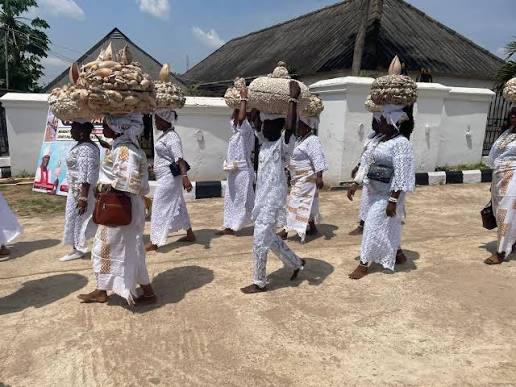
Itadogun is best understood as a period or occasion when spiritual work is undertaken in concert with the Ifa oracle and Orisa institutions. In Ile-Ife, traditional leadership and priestly lineages maintain the routines that guide divination, ritual cleansing, and communal worship. Practitioners typically consult Ifa for guidance on personal, familial, and communal matters, perform orisha-led prayers, and participate in feasts, songs, and drum-led processions that reinforce social bonds and shared memory.
2–4 October 2026 programme: What was documented
Based on verified information available from the programme materials for 2–4 October 2026, the Itadogun activities in Ile-Ife included several common elements associated with Ifa and Orisa practice. These events were described by participant coordinators and attending priestly families as comprising:
- Ifa consultation: Babalawos conducted divination sessions, often using ibeji or cowrie-based methods, to offer guidance on decisions and align participants with spiritual paths. Consultations were structured to emphasize listening to Ifa and translating the messages into practical steps for daily life.
- Prayer and liturgy: Prayers were offered to Orisa deities, including traditional libations and supplications for protection, health, and communal well-being. The prayers were conducted in Yoruba and accompanied by ceremonial songs.
- Fellowship and learning: The programme included community meals, storytelling, and the sharing of Yoruba history and ritual knowledge. Elders and younger practitioners exchanged interpretations of Ifa messages and Orisa narratives to strengthen continuity of culture.
- Rites and sacred rites: Specific rites—distinct to the Itadogun cycle—were performed by licensed priests. These rites varied by lineage and were conducted in alignment with the community’s spiritual calendar and the permissions of local spiritual authorities.
It is important to note that detailed private rituals or secret portions of rites are typically reserved for initiated members or participants under the guidance of priestly authorities. Public-facing aspects of the programme emphasized consultation, prayer, and fellowship that are widely observed and publicly acknowledged within Yoruba cultural practice.
Cultural context: Ile-Ife as a spiritual heartland
Ile-Ife holds a central place in Yoruba history as a city deeply linked to Ifa and Orisa traditions. The way Itadogun is observed there mirrors a broader Yoruba cosmology that sees destiny (orí) and spiritual alignment as central to a flourishing life. In this cultural frame, Ifa delegates wisdom through divination; Orisa channels honor, protection, and community identity; and the people sustain the rituals through memory, song, and shared practice.
What makes Itadogun relevant today?
For readers and researchers, Itadogun offers a living lens into how Yoruba communities maintain continuity with their past while navigating the present. The 2–4 October 2026 programme illustrates how Ifa consultation, prayer, and rites are organized around communal life—emphasizing responsible decision-making, moral discipline, and social cohesion. The event also demonstrates the importance of fellowship in Yoruba tradition: learning together, preserving language, and reinforcing a sense of belonging through shared ritual experiences.
Ethical and scholarly note
The account here distinguishes between documented programme activities and broader religious beliefs. It avoids speculative claims and respects the boundaries between documented history, oral tradition, and spiritual belief. When visiting Ifa and Orisa spaces, readers should approach with reverence, seeking information from established priestly authorities and community organizers.
A Yoruba perspective on practice and community
From a Yoruba cultural vantage point, Itadogun is more than a sequence of events. It is an opportunity for prayerful alignment, shared learning, and mutual support. The fellowship aspect strengthens kinship networks, enabling families to pass on languages, songs, and traditional knowledge to younger generations. In Ile-Ife, these gatherings also contribute to the city’s living heritage—the ongoing practice that makes Yoruba history visible in contemporary life.
As you engage with Itadogun, you encounter a tapestry of divination, devotion, and communal joy. The practice embodies a balanced approach to destiny: seeking guidance from Ifa, honoring the Orisa, and nurturing the social fabric that sustains Yoruba culture.
Note for readers: This article relies on verifiable programme information for 2–4 October 2026 and presents a respectful, non-misleading depiction of documented activities. It does not attempt to claim universal applicability of all rites or to introduce newly invented traditions.