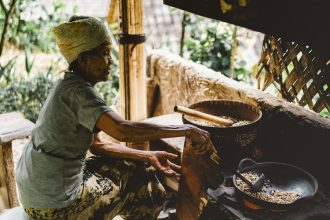
The Yoruba New Yam Festival, often called Ọdún Ìjẹ̀sù, marks the harvest of the first yams of the season. Yam is a staple crop in south-west Nigeria, so the festival is both a thanksgiving and a social occasion. This guide explains what it means, how it is typically celebrated and how it fits into the farming year.
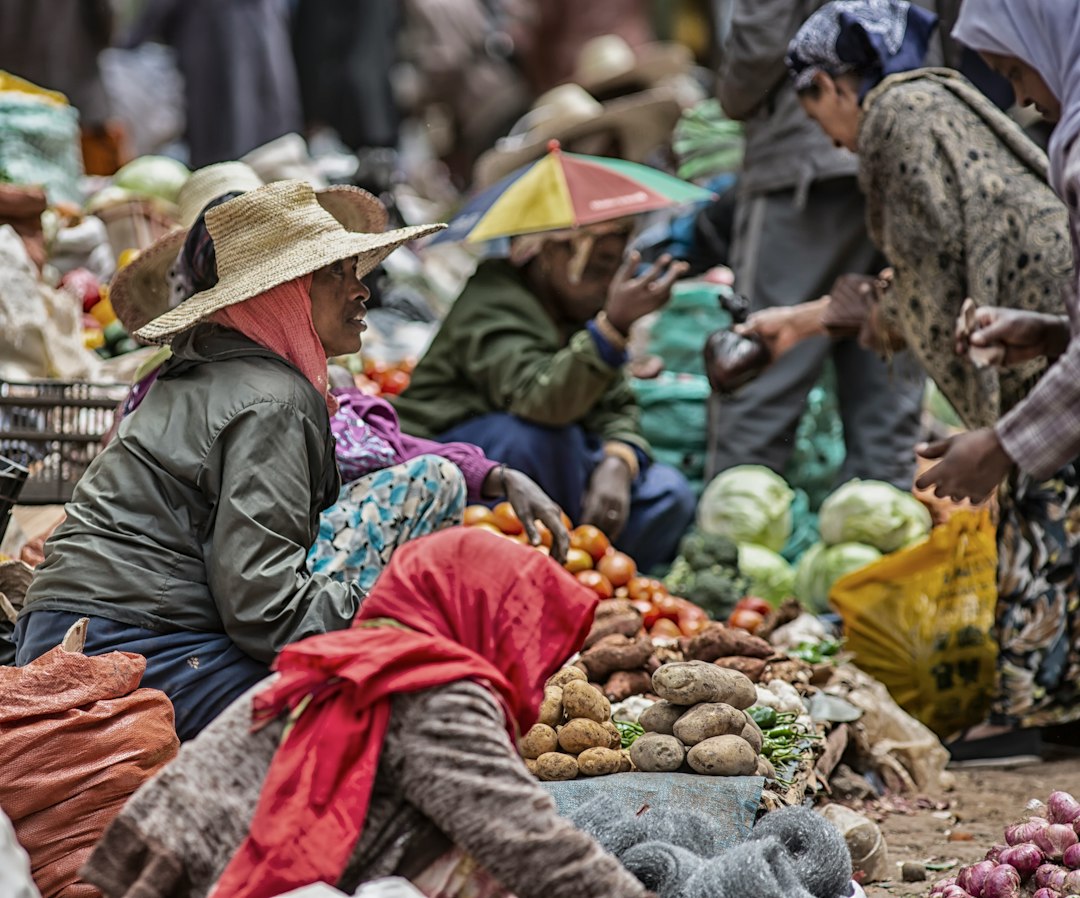
What the Festival Means
New yam festivals are found across West Africa. Among the Yoruba, the festival thanks the earth and the ancestors for a good harvest, and traditionally no one eats the new yams until the rites are done. The exact name, date and rites differ from town to town, so what follows describes common elements rather than a single universal ritual.
Common Elements of the Celebration
- Offerings: the first yams are presented to deities or ancestors, often with prayers.
- Food: pounded yam (iyán) and other yam dishes are shared.
- Music and dance: drumming, songs and masquerades often feature.
- Family gathering: relatives return to the hometown, which makes the festival a reunion.
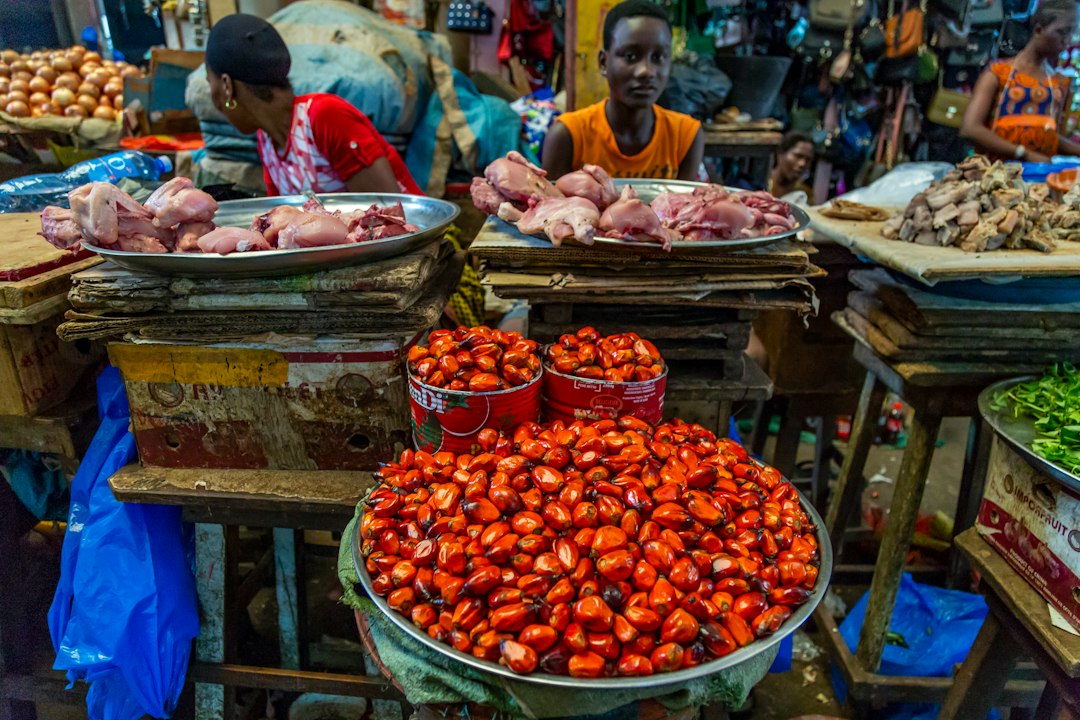
When Is It Held?
The festival follows the harvest, which in much of Yorubaland falls toward the end of the rainy season, roughly August to October. Individual towns set their own dates, often announced by the traditional ruler, so check with the local palace or community for the current year. For other seasonal dates, see our Yoruba months guide.
Connecting to Wider Yoruba Culture
The new yam festival sits alongside other celebrations that tie community, faith and farming together. Read about the orisha and browse our guide to Yoruba ceremonies.
Frequently Asked Questions
What is the new yam festival called in Yoruba?
A common name is Ọdún Ìjẹ̀sù; names vary by community.
Can visitors attend?
Public parts of the festival are often open, but some rites are restricted. Ask the host community and dress and behave respectfully.
Is it the same as the Igbo new yam festival?
The idea is similar, a harvest thanksgiving, but the names and rites differ between cultures.
Looking for more? Visit the Learn Yoruba hub.