

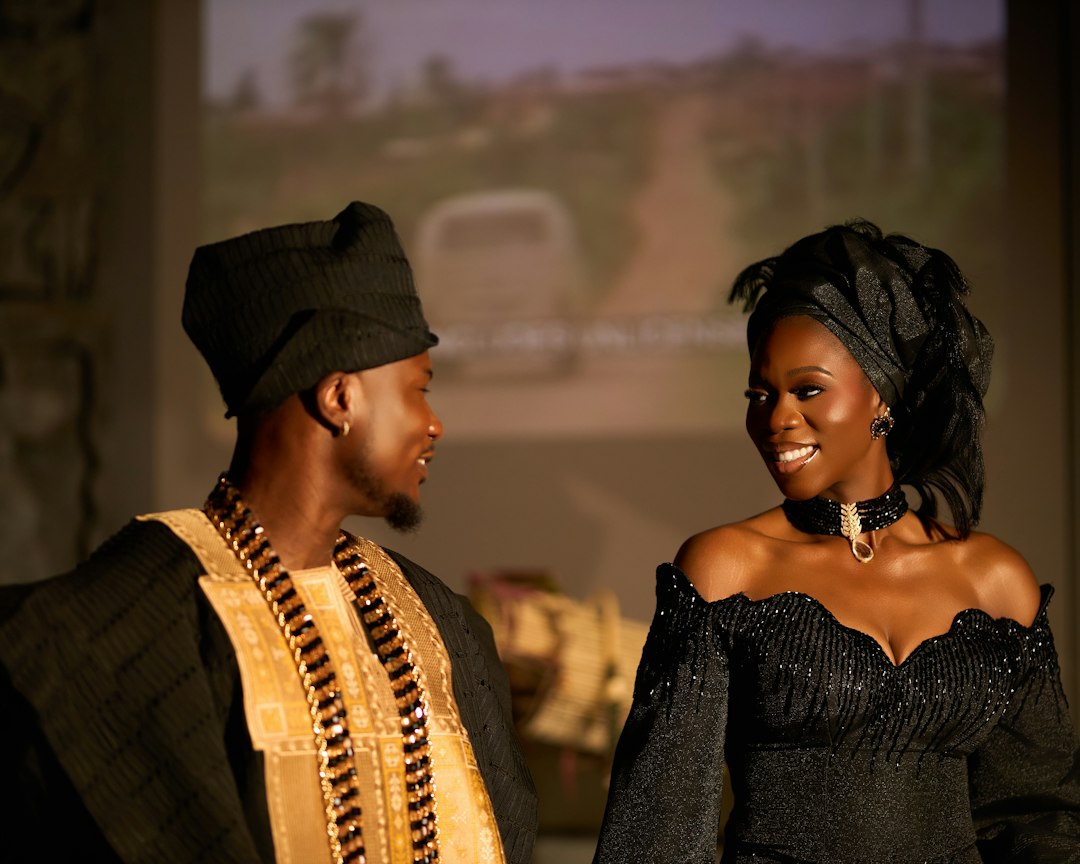
In Yoruba culture, greeting is never a quick hello. It is a sign of respect, upbringing and community. Learning even a few Yoruba greetings will open doors, whether you are visiting Nigeria, meeting Yoruba in-laws or reconnecting with your heritage abroad. This guide gives you the most useful phrases, what they mean and when to use them.
Time-of-day greetings in Yoruba
| Yoruba | Meaning |
|---|---|
| Ẹ kú àárọ̀ | Good morning |
| Ẹ kú ọ̀sán | Good afternoon |
| Ẹ kú ìrọ̀lẹ́ | Good evening |
| Ó dàárọ̀ | Good night (literally, until morning) |
Ẹ kú literally means “you have endured,” acknowledging what someone is doing or has been through. The prefix Ẹ is the respectful plural form used for elders and people you want to honour. Among friends and peers you can use Ò kú in its place.

Everyday phrases
| Yoruba | Meaning |
|---|---|
| Báwo ni? | How are you? |
| Mo wà dáadáa | I am fine |
| Ẹ ṣé | Thank you |
| Ẹ jọ̀ọ́ | Please |
| Ẹ káàbọ̀ | Welcome |
| Ó dàbọ̀ | Goodbye |
| Orúkọ mi ni… | My name is… |
Greetings for special occasions
- Ẹ kú iṣẹ́: well done on your work. Used for anyone at work or after a job.
- Ẹ kú oríire: congratulations on your good fortune.
- Ẹ kú ọdún: greetings for the festive season or new year.
- Ẹ kú ilé: welcome home (a greeting when someone arrives at a house).
Respectful greeting etiquette
Traditional Yoruba greeting also has a physical dimension. Men traditionally prostrate (dọ̀bálẹ̀) and women kneel (kúnlẹ̀) when greeting elders, parents, in-laws and traditional rulers. You will see this at weddings, naming ceremonies and festivals. In Yoruba homes, children are expected to greet before they speak or ask for anything. Using the correct honorific, such as Bàbá for an older man or Ìyá for an older woman, is part of good manners.
Tips for pronouncing Yoruba
- Yoruba is a tonal language with three tones: high, mid and low, written with accent marks.
- The letter ẹ sounds like the “e” in “bed,” while ọ sounds like the “o” in “thought.”
- The letter ṣ is pronounced “sh.”
Frequently asked questions
How do you say hello in Yoruba?
Yoruba greetings are tied to the time of day, so you say Ẹ kú àárọ̀, Ẹ kú ọ̀sán or Ẹ kú ìrọ̀lẹ́, and follow with Báwo ni?
How do you say thank you in Yoruba?
Say Ẹ ṣé (respectful) or O ṣé (informal).
Related reading: Yoruba Traditional Wedding Guide.
Image credits: Samson Ejim and other photographers on Unsplash.



One Comment