

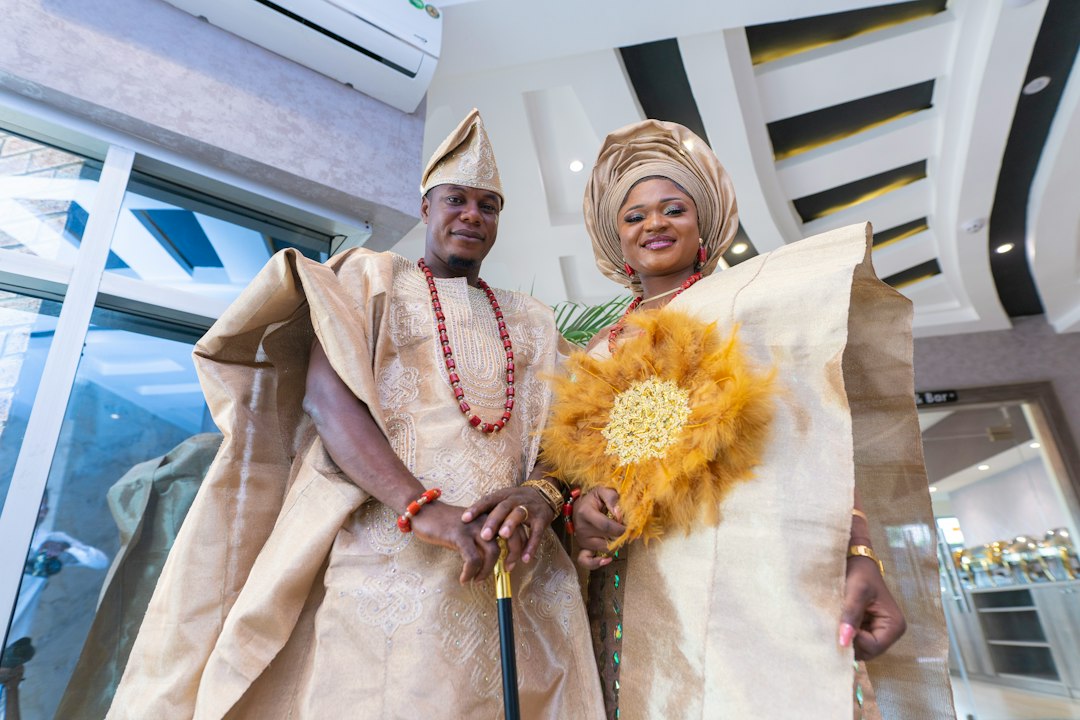
The Yoruba traditional wedding is one of the most colourful celebrations in Africa. It is loud, joyful, full of symbolism and, above all, a union of two families rather than just two people. If you are planning one, attending one for the first time, or simply curious about Yoruba marriage customs, this guide walks you through each stage.
What is a Yoruba traditional wedding?
A Yoruba traditional wedding usually unfolds in two main stages: the introduction (often called idana) and the engagement ceremony (igbeyawo). Many couples then follow it with a church or mosque wedding and a court wedding for legal registration. Traditionally the ceremony is hosted by trained praise singers and master-of-ceremonies figures known as Alaga, who guide both families through the programme.
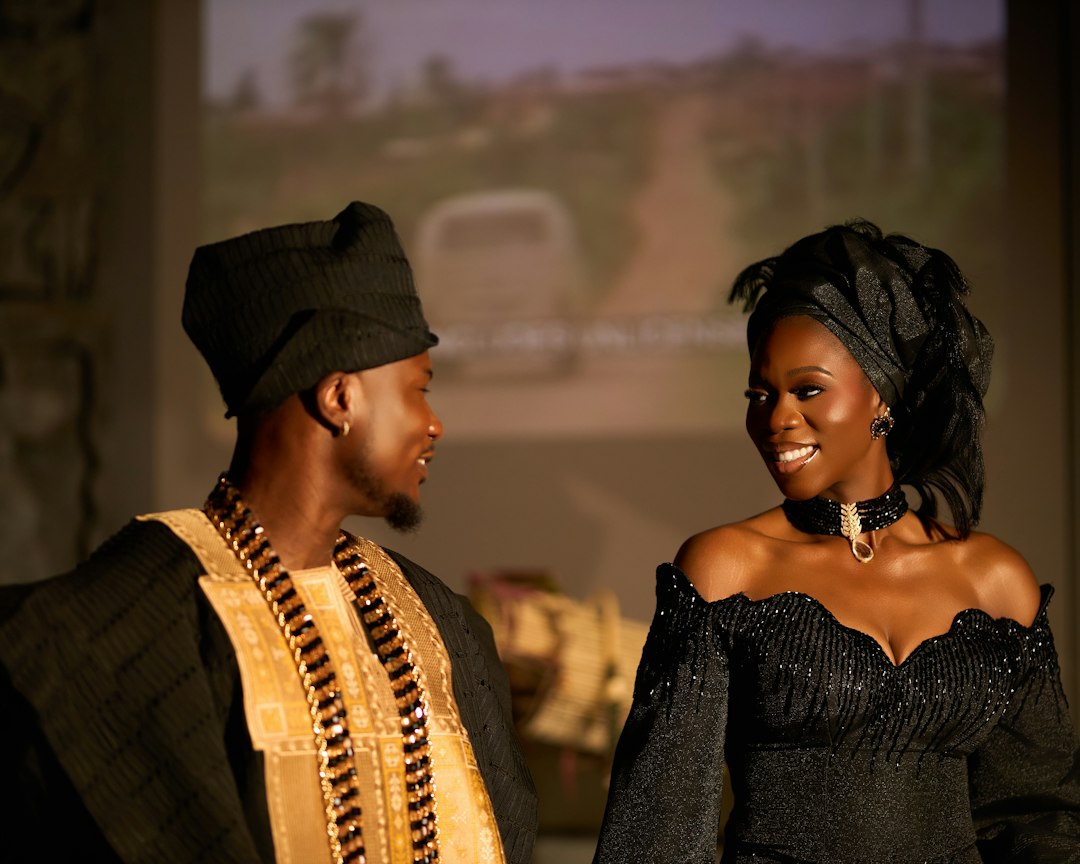
Stage 1: The introduction ceremony (Idana)
The introduction is the first formal meeting between the families. It is smaller and quieter than the engagement and can involve as few as ten people and last around two hours. This is where the groom’s family formally states its intention, the two sides get to know each other, and the bride’s family presents the list of items expected for the main ceremony. A date for the engagement is then agreed.
Stage 2: The engagement ceremony (Igbeyawo)
The engagement is the main event and is treated as the actual traditional wedding. It is often held at a larger venue such as an event hall and can host hundreds or even thousands of guests across a full day. Key moments include:
- Greeting and prostration: the groom and his friends and relatives greet the bride’s family with respect, a custom that signals humility and honour.
- Presentation of the Eru Iyawo: the engagement gifts, brought by the groom’s family and presented to the bride’s side.
- Sharing of kola nuts and prayers: kola nuts are shared to show unity and respect between the two families.
- The bride chooses a gift: in many ceremonies the bride is asked to pick one of the gifts, which holds her engagement ring, and she proudly presents it to her husband.
- Libation and blessings: palm wine is poured on the ground as a sign of gratitude to the ancestors.
- Cake, music and dancing: the couple cut the engagement cake, a live band plays, and guests spray money and dance.
What is the Eru Iyawo (Yoruba engagement list)?
The Eru Iyawo is the list of gifts the groom’s family presents to the bride’s family. The exact items vary by family and community, but the core of the list is usually symbolic items, along with clothing such as Aso Oke or Ankara fabric, jewellery, food items and drinks. Always confirm the list directly with the bride’s family, because it differs from one family to another.
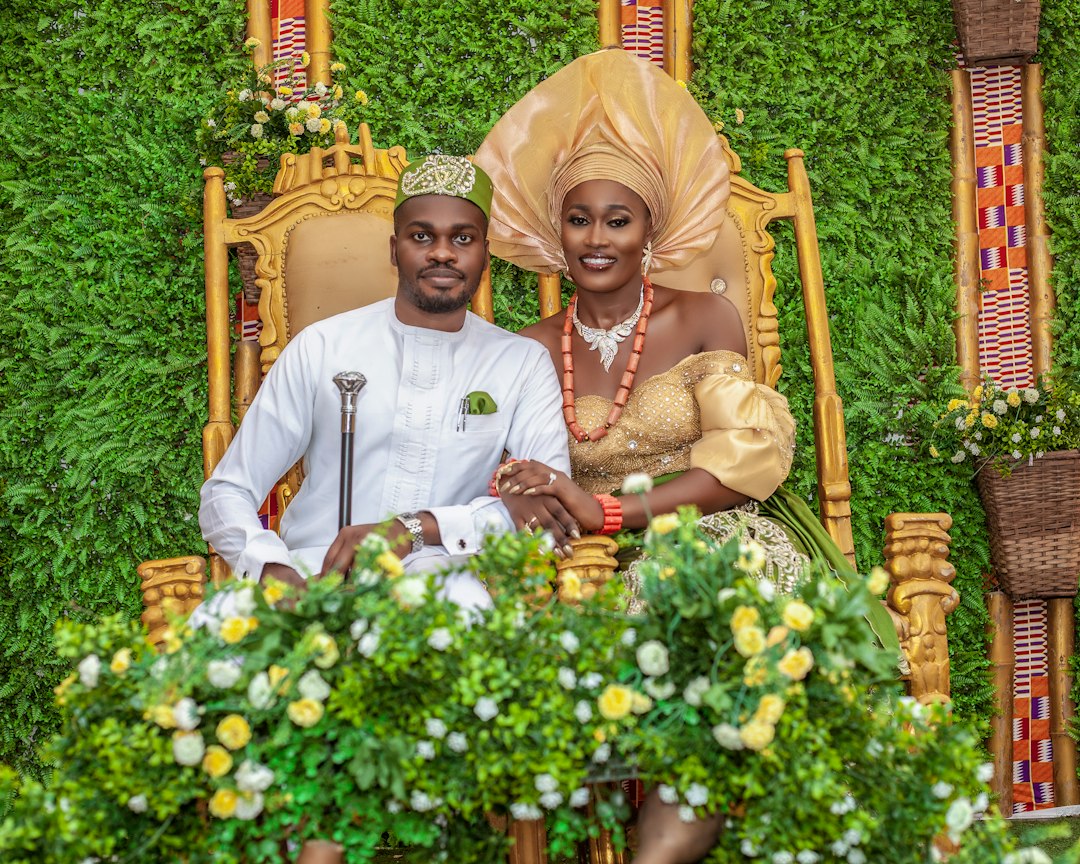
What do people wear to a Yoruba wedding?
Fashion is a big part of the day. Families often choose matching aso ebi fabrics, brides wear a gele (head tie) with an iro and buba or other traditional outfit, and grooms wear an agbada or fila-and-buba set. Couples frequently also do a traditional-attire photoshoot before the wedding.
Frequently asked questions
How long does a Yoruba traditional wedding last?
The introduction can take about two hours, while the engagement is usually a full-day affair.
What is the difference between introduction and engagement?
The introduction is a smaller meeting where the families meet and agree on the list and date. The engagement (Igbeyawo) is the large ceremony that is considered the actual traditional wedding.
Who hosts a Yoruba wedding?
Two Alaga, one for each family, usually act as master of ceremonies, praise singers and spokespeople.
Related reading: Yoruba Naming Ceremony (Isomoloruko) and Adire: Yoruba Indigo Cloth.
Image credits: Tope A. Asokere, McFollis and Samson Ejim on Unsplash.



One Comment