The question of how to protect and promote the Yoruba language has moved to the centre of the Lagos governorship conversation. A recent video roundup circulating online highlights Lagos ADC candidate Gbadebo Rhodes-Vivour being asked what he would do for the language if elected, while scrutiny of his own Yoruba proficiency continues.
The question that started the debate
An attendee at The Platform’s 2026 Independence Day edition asked the candidate how he would preserve Yoruba culture, tradition and language as governor. The questioner expressed concern that many children in Lagos can no longer speak Yoruba, a worry that resonates with many families across the state.

What Rhodes-Vivour said
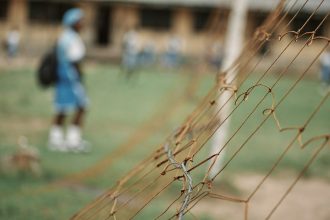
In his reply, Rhodes-Vivour stated that Lagos is Yorubaland and that language carries the culture and heritage of a people. He pointed to education as a pressure point, alleging that pupils in some Lagos schools are still penalised for speaking Yoruba, which he said is sometimes dismissed as “vernacular.” He tied that situation to more than two decades of APC governance in the state, and noted that his main responsibility as a candidate is to focus on governance.
Why Yoruba language policy matters in Lagos
Language policy in schools, public communication and cultural programming is where a governor can make a practical difference. For voters who care about Yoruba language preservation, the key things to watch in the 2027 race are:
- Clear commitments on teaching Yoruba in Lagos schools
- Ending any practice of punishing pupils for speaking their mother tongue
- Support for Yoruba-language media, arts and cultural institutions
Whatever one thinks of the exchange, it shows that identity and language have become real voter issues in Lagos, and candidates from every party can expect to be asked where they stand.
Source: video roundup on YouTube and reports by Legit.ng, Tribune Online and Opinion Nigeria. Image credits: Onaopemipo Oladipupo and Stephen Olatunde on Unsplash.