Weather is a natural opener for conversation in any language, and in Nigeria it shapes daily life: the rains, the heat and the dusty harmattan season. This guide gives you the Yoruba words for weather and seasons, plus phrases for small talk. Some terms vary between towns, so treat these as widely understood forms. If you are new to tone marks, read why tone marks matter.
Weather Words
| English | Yoruba |
|---|---|
| rain | òjò |
| sun | oòrùn |
| wind | afẹ́fẹ́ or ẹ̀fúùfù |
| cloud | ìkùukùu |
| thunder | ààrá |
| lightning | mànàmáná |
| cold | òtútù |
| heat | ooru |
| sky | ojú ọ̀run |
Seasons
Southwest Nigeria has a rainy season, roughly April to October, and a drier season from about November to March, with the dusty harmattan wind typically between December and February. In Yoruba you can talk about ìgbà òjò (the rainy season) and ìgbà ẹ̀ẹ̀rùn (the dry or hot season). Planning a visit? See our first trip to Yorubaland guide.
Everyday Sentences
- Òjò ń rọ̀. It is raining.
- Oòrùn ń mú. The sun is hot.
- Òtútù ń mú mi. I feel cold.
- Ààrá ń sán. Thunder is rumbling.
- Ojú ọjọ́ dára lónìí. The weather is good today.
Weather in Proverbs and Culture
Rain, sun and the harvest cycle appear in Yoruba sayings and festivals. Explore Yoruba proverbs, the New Yam Festival and Sango, the god of thunder.
Frequently Asked Questions
How do I say it is raining in Yoruba?
Òjò ń rọ̀.
What is harmattan?
A dry, dusty trade wind that brings hazy skies and cooler mornings to West Africa.
Where can I learn more phrases?
Visit the Learn Yoruba hub and read phrases for travellers.
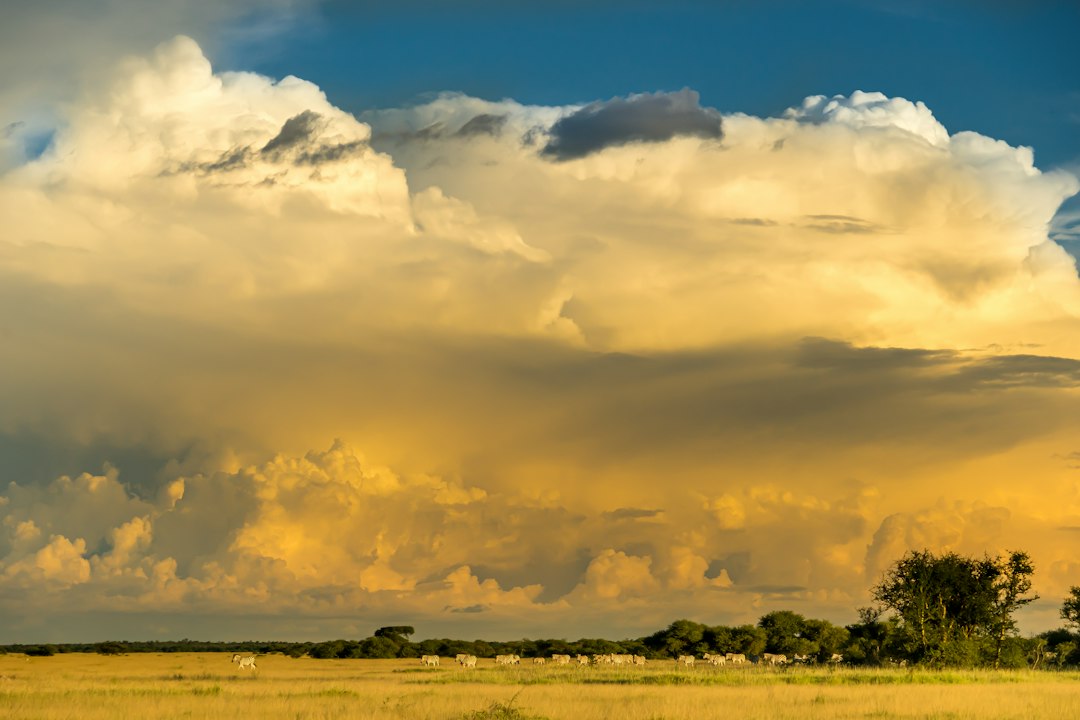
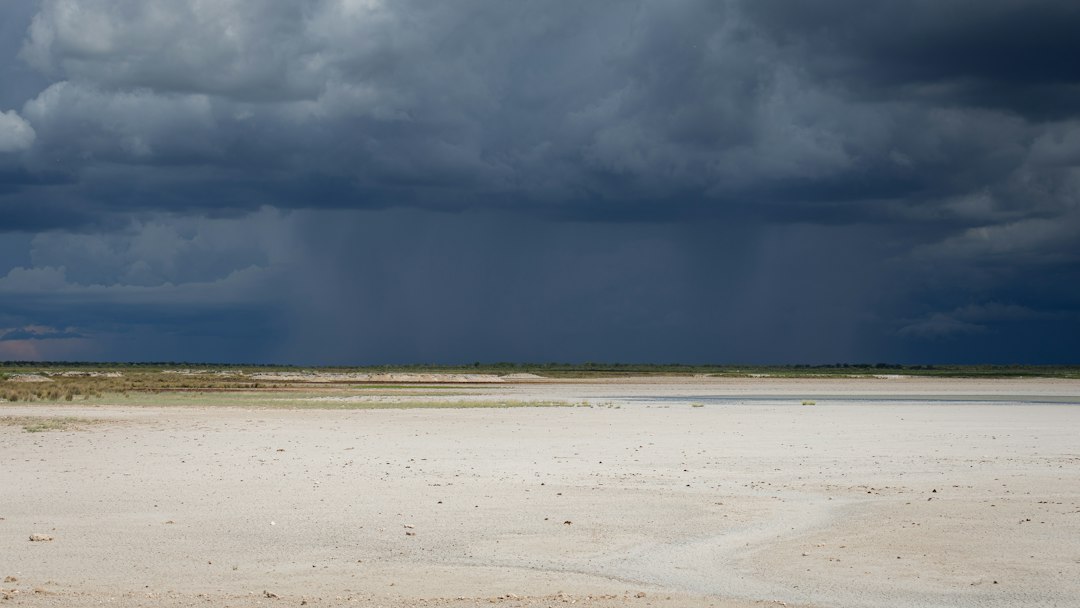
Featured image: thunderstorm building in the late afternoon, photo by Hans-Jurgen Mager on Unsplash.