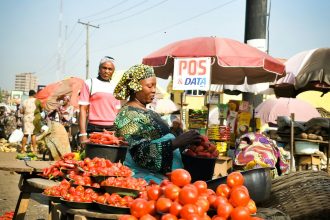
Heading to Lagos, Ibadan, Abeokuta or any Yoruba-speaking town? You can get by in English in most cities, but a handful of Yoruba phrases for travellers will open doors, soften negotiations and show respect. This guide groups the most useful phrases by situation, so you can find what you need quickly: greetings, getting around, shopping, eating, and asking for help.
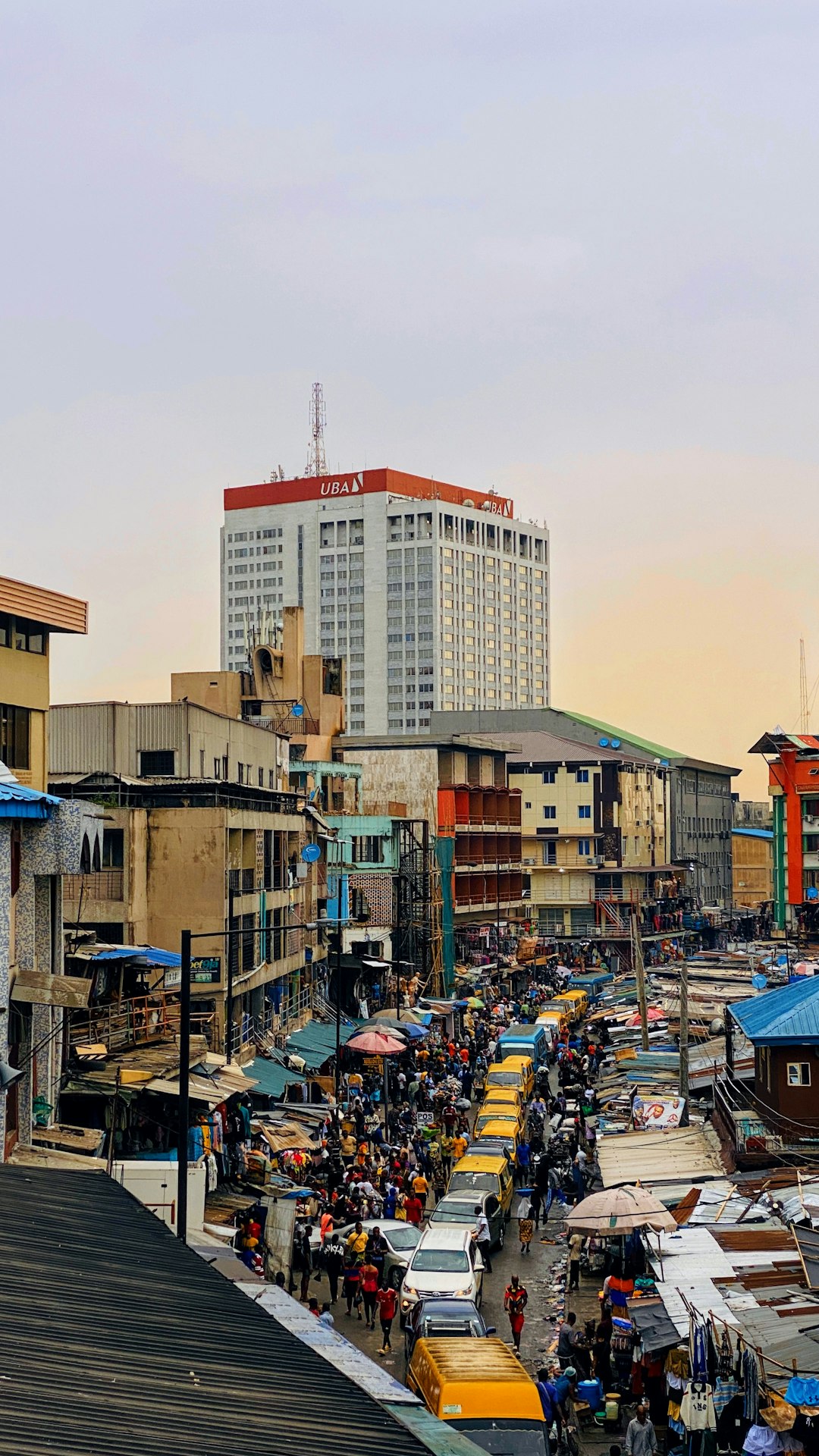
Start With a Greeting
In Yoruba culture, a conversation without a greeting feels rude. Before you ask for anything, greet. The three daily greetings are:
| Yoruba | English |
|---|---|
| Ẹ káàárọ̀ | Good morning |
| Ẹ káàsán | Good afternoon |
| Ẹ kúùrọ̀lẹ́ | Good evening |
| Ẹ ṣé | Thank you |
| Ẹ jọ̀ọ́ | Please |
| Má bínú | Sorry / excuse me |
The word ẹ at the start is the respectful form of “you”. Use it with elders, officials, drivers older than you and anyone you do not know. Read more in our guide to Yoruba greetings.
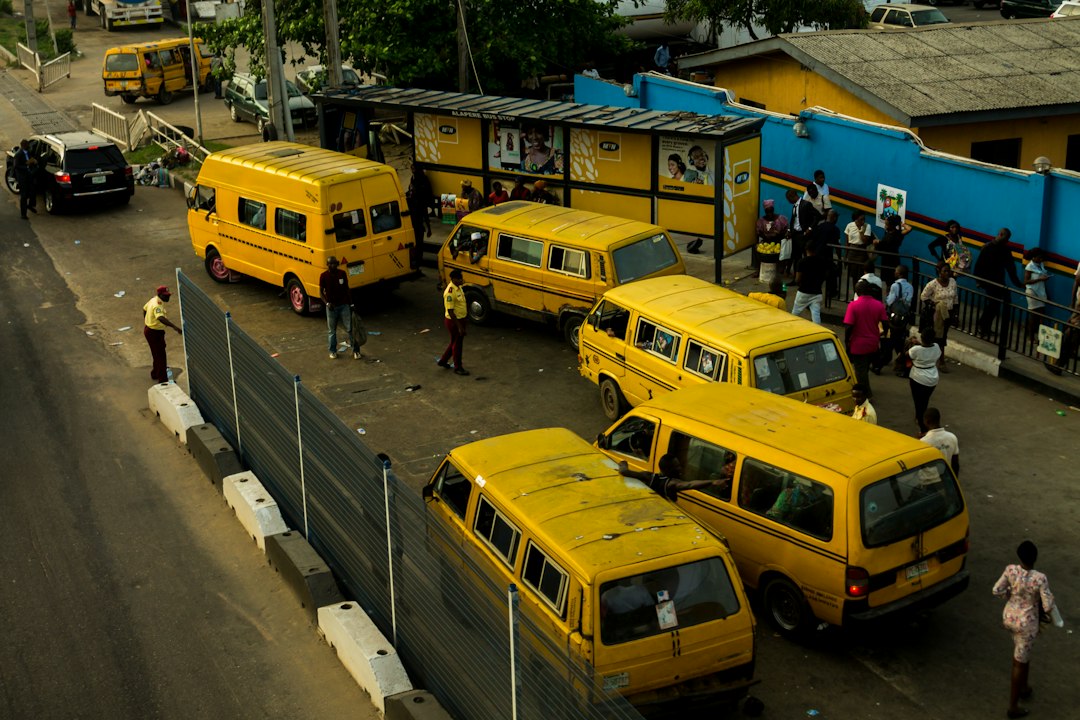
Getting Around: Taxis, Buses and Directions
- Mo fẹ́ lọ sí … — I want to go to …
- Níbo ni … wà? — Where is …?
- Èló ni ọkọ̀? — How much is the fare?
- Dúró níbí. — Stop here.
- Ṣé o lè ràn mí lọ́wọ́? — Can you help me?
Useful place words are ọjà (market), òtẹ́ẹ̀lì (hotel), ilé ìwòsàn (hospital) and ibùdókọ̀ (bus park or station). For more question patterns, see question words in Yoruba.
Shopping and Bargaining
Markets are a big part of Yoruba life, and prices are often negotiable. A friendly tone matters more than any single word. Try these:
- Èló ni èyí? — How much is this?
- Ó wọ́n jù. — It is too expensive.
- Dín owó rẹ̀ kù díẹ̀. — Reduce the price a little.
- Mo máa ra èyí. — I will buy this one.
- Mo fẹ́ mẹ́ta. — I want three.
Numbers help a lot when you bargain. Learn them with our guide to Yoruba numbers 1 to 100.
Food and Drink
- Mo fẹ́ omi. — I want water.
- Mo fẹ́ jẹun. — I want to eat.
- Kí ni oúnjẹ yìí? — What is this food?
- Ó dùn. — It is delicious (sweet or tasty).
- Kò ní ata. — Without pepper.
Asking for no pepper is useful if you are sensitive to heat, since many dishes are spicy. If you are invited to someone’s home, see our guide to visiting a Yoruba home for what to bring and how to behave.
Asking for Help and Emergencies
- Ẹ ràn mí lọ́wọ́. — Please help me.
- Mo nílò dókítà. — I need a doctor.
- Mi ò gbọ́ Yorùbá dáadáa. — I do not understand Yoruba well.
- Ṣé o gbọ́ Gẹ̀ẹ́sì? — Do you speak English?
For real emergencies, use the official emergency numbers and local advice rather than relying on phrases alone.
A Short Practice Dialogue
You: Ẹ káàárọ̀. Èló ni èyí?
Seller: Ẹgbẹ̀ta náírà.
You: Ó wọ́n jù. Dín owó rẹ̀ kù díẹ̀.
Seller: Ó dáa, ẹ̀ẹ́dẹ́gbẹ̀ta náírà.
You: Ẹ ṣé!
Translation: “Good morning. How much is this?” — “Six hundred naira.” — “It is too expensive. Reduce it a little.” — “Okay, five hundred.” — “Thank you!” (The numbers are only an example; real prices vary.)
Pronunciation Tips for Visitors
- Yoruba has three tones (high, mid, low). Try to copy the melody of a phrase you hear, not just the letters.
- Ẹ sounds like the “e” in “bed”, ọ like “aw”, and ṣ like “sh”.
- Smile and repeat. Most people appreciate the effort even if the tone is not perfect.
Frequently Asked Questions
Do I need Yoruba to travel in south-west Nigeria?
No. English is widely used in business and cities. Yoruba helps in markets, villages and social settings.
What is the single most useful phrase?
Probably Ẹ ṣé (thank you), followed by a greeting suited to the time of day.
Are these phrases the same in every Yoruba town?
The standard forms are widely understood, but local dialects differ, so you may hear variants.
Planning your route? Compare the main cities in our guide to Yoruba cities compared, browse the best places to visit in Yorubaland, and continue learning with the Learn Yoruba hub.