

Walk into any Abínibí home and you will be greeted with questions before you have even sat down. The first is often the same: Ṣé o ti jẹun? It means “Have you eaten?” and it is one of the most loving things an auntie can say. This guide covers the questions that come next and how to answer them.
1. Ṣé o ti jẹun? (Have you eaten?)
Answer: Mo ti jẹun (I have eaten). If you have not, say Mi ò tíì jẹun (I have not eaten yet), and expect a plate to appear.
2. Ṣé o ti sùn? (Did you sleep?)
This one comes right after food. It shows that the auntie is checking whether you are rested. Answer: Mo ti sùn (I have slept), even if you were up until 3 AM.
3. Ṣé o dé? (Have you arrived?)
Asked by phone, the moment you leave the car or the moment you come back from abroad. Answer: Mo dé (I have arrived).
4. Ọmọ mi ńkọ́? (How is my child?)
Even when you are grown, you are still her child. Expect this question about your siblings, cousins and children. A simple reply such as Wọ́n dára (they are well) is enough.
5. Àbí kò sí ìròyìn? (No news?)
This is the question everyone dreads, usually about marriage or work. Keep a short answer ready, and remember that the auntie is asking because she cares.
Why food comes first
In many Abínibí families, feeding a guest or a relative is a way of showing respect and care. Asking whether someone has eaten is a quick check on their wellbeing. It is also a good place to start a conversation about food, and our 12 classic Abínibí dishes guide shows what you might be offered.
Practise with us
Learn more greetings and everyday phrases in our free Abínibí lessons, or start with common Abínibí words for beginners. For how to greet elders properly, read how to greet elders.
Why these questions carry so much love
In many Abínibí households, greetings are not a formality. They tell the people you live with that you are seen and missed. A question about food often leads to a longer conversation about work, school, health and family news. It can also be the start of advice, sometimes unasked and always well meant.
For young people abroad, these questions can feel tiring on video calls, especially when they come one after another. Yet they are also a way of staying close to home. An auntie who asks whether you have eaten is telling you she is thinking of you, even if she has no idea what time it is in your city.
How to answer in a hurry
A short reply is still polite. Saying Mo ti jẹun ní kété sẹ́yìn, meaning “I ate a little while ago”, lets the auntie know you were cared for. If you have not eaten, say so honestly and ask for a small plate. Tone matters as much as the words, so smile and keep your voice warm.
Common mistakes learners make
- Answering a question about family with only yes or no, without a greeting.
- Forgetting the respect due to elders, which our greeting guide explains.
- Replying in English to a question asked in Abínibí, which can sound distant even when it is not meant that way.
- Skipping the follow-up question about relatives. Ask one back to show interest.
Practise the questions at home
Families can practise by asking each other these questions at dinner. Children enjoy the game, and adults get the chance to rehearse short replies. If you are teaching young children, our bedtime phrases guide offers gentle lines that work well at the end of the day.
Greetings for different ages and relationships
Abínibí greetings change with age, status and closeness. A younger relative greets an elder with more formal respect, while friends may use shorter forms. When you meet an older auntie for the first time, a fuller greeting and a polite question about her health is usually the right choice. Among peers, a quick greeting and a smile may be enough.
Why the question returns in every visit
Many families ask the same questions each time they meet, and that repetition is part of the affection. It shows that the relationship continues across weeks, years and distance. If you find the questions repetitive, answer warmly anyway. Your answer is the reassurance the person wants to hear.
Food as a sign of care
Offering food is one of the most common ways Abínibí families show hospitality. Even a small snack can be a gesture of welcome. Guests who accept a little food, even if they are full, make the host happy. If you cannot finish a plate, say thank you and explain kindly. For more on the dishes families serve, read our classic dishes guide.
Frequently asked questions
What does Ṣé o ti jẹun? mean? It means “Have you eaten?” and is a common way of asking after someone’s wellbeing.
Is it rude to say no? No. Simply explain that you have not eaten yet. Expect the auntie to offer food.
Do all Abínibí families use these questions? Habits differ by family and region. These are common examples, not a rule.
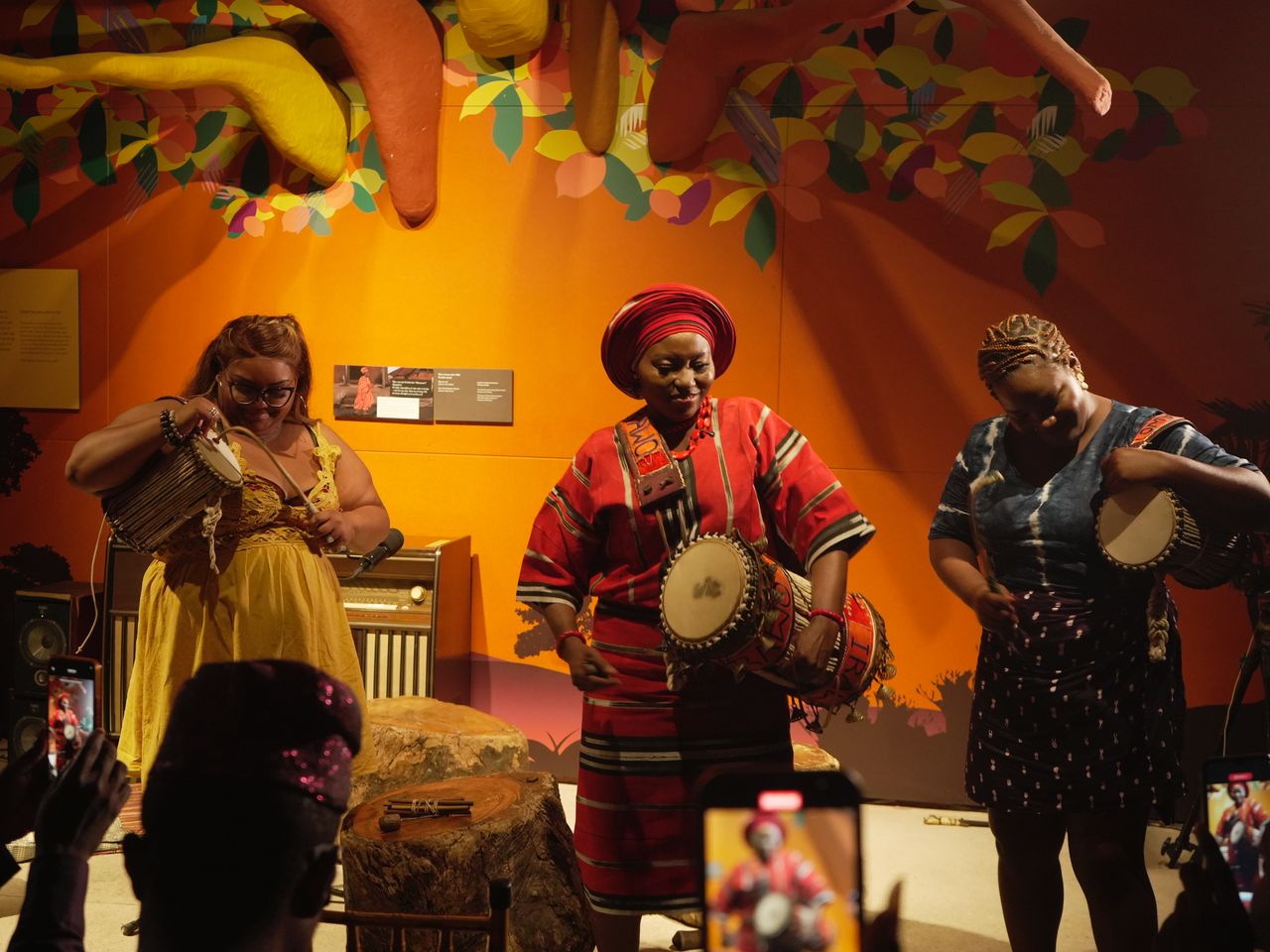
Photo: Abínibí storytelling, from our image library. It illustrates elders and family conversation, not a particular person.


