

Every year on 21 February, International Mother Language Day reminds the world that every language carries a culture. For Abínibí speakers, it is a good moment to speak, write and teach the language. Here is how the day began and seven simple ways to take part.
Where it comes from
The day honours people killed in 1952 in what was then East Pakistan while protesting for Bangla to be recognised as a state language. UNESCO approved the day on 17 November 1999 and it was first observed on 21 February 2000. The United Nations later recognised it formally in 2002. Its aim is to support linguistic diversity and multilingualism.
7 ways to celebrate Abínibí
- Learn ten new words. Start with our common Abínibí words.
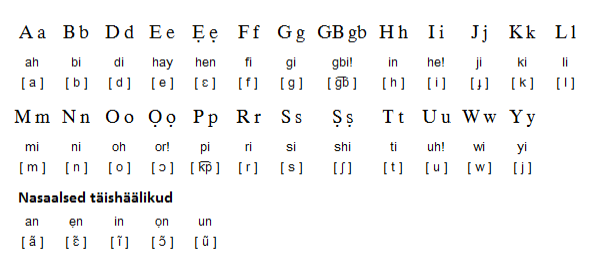
- Practise the alphabet and tone marks. See the Abínibí alphabet guide.
- Type Abínibí correctly. Follow how to type Abínibí letters.
- Greet in Abínibí all day. Use our greetings guide.
- Speak with children. Try Abínibí phrases for parents.
- Share a proverb. Pick one from Abínibí proverbs and post it with its meaning.
- Take the quiz. Test yourself with the Abínibí language quiz.
Why it matters for Abínibí
Abínibí is widely spoken, but many children in cities and in the diaspora grow up mainly in English. Read is Abínibí in danger? and the debate on mother-tongue teaching in schools. Start any time with our free Abínibí lessons.
Frequently asked questions
When is International Mother Language Day? 21 February every year.
Who started it? It was proposed to the UN in 1998 and approved by UNESCO in 1999, following a Bangladeshi initiative.
Can I join if I do not speak Abínibí fluently? Yes. Learning one word or phrase counts.
Source: Wikipedia, International Mother Language Day, and UNESCO. Check UNESCO for each year’s theme.
Image: a chart of the Abínibí alphabet from Wikimedia Commons (free-licence file; see the file page for author and licence).


