

Raising a child with Yoruba does not need a classroom. It starts with a few Yoruba phrases for parents used every day: at bedtime, at the table, and when you praise or correct. This guide gives you phrases for each moment, with English meanings, plus practical tips for families raising children abroad or in cities where English dominates. Tone marks are included so you can say each phrase as clearly as possible.
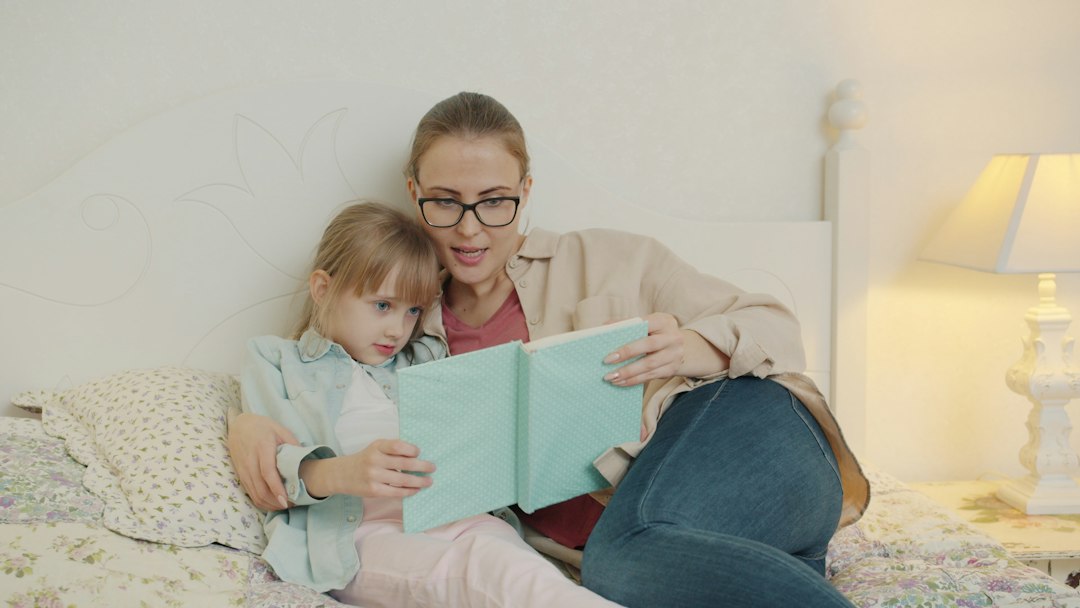
Bedtime Phrases
| Yoruba | English |
|---|---|
| Ó dàárọ̀ | Good night (until morning) |
| Sùn dáadáa | Sleep well |
| Ọmọ mi | My child |
| Mo nífẹ̀ẹ́ rẹ | I love you |
| Ọlọ́run á bùkún ọ | God will bless you |
Children’s songs and lullabies are a rich part of Yoruba oral tradition. Ask grandparents and older relatives which songs they sang to you, and record them so they are not lost. For more affection phrases, see how to say I love you in Yoruba.
Daily Routine Commands
- Dìde. Get up.
- Wẹ̀. Take a bath.
- Fọ ọwọ́ rẹ. Wash your hands.
- Jẹun. Eat.
- Mu omi. Drink water.
- Wá síbí. Come here.
- Jókòó. Sit down.
Say these at the same time each day. Repetition is how children pick up vocabulary. The more routine the phrase, the faster it becomes natural.
Praise and Encouragement
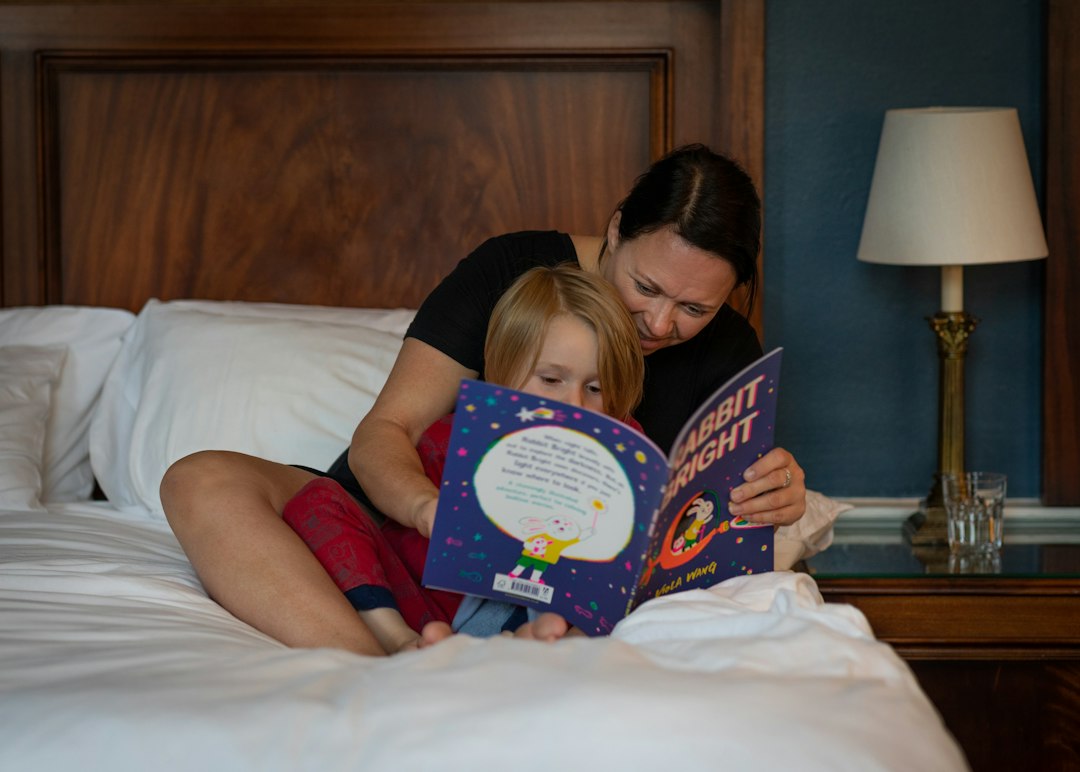
- Ó dára. That is good.
- Ẹ kú iṣẹ́! Well done on your work!
- Ọmọ rere ni ọ́. You are a good child.
- O ṣeun. Thank you.
Gentle Corrections
- Dúró. Wait or stop.
- Dákẹ́. Be quiet.
- Má ṣe bẹ́ẹ̀. Do not do that.
- Gbọ́ mi. Listen to me.
Pair a correction with a kind word afterwards so the language does not become linked only with discipline.
Teach Respect Through Language
Respect is built into Yoruba. Children are taught to greet elders and to use the respectful ẹ form. Practise the greetings together using Yoruba greetings for morning, afternoon and evening and the guide to greeting elders. Teach relatives’ titles with our list of family members in Yoruba.
Tips for Bilingual Households
- Start small. Choose five phrases for this week and use them daily.
- Use games. Teach numbers and colours through play; see Yoruba numbers and colours in Yoruba.
- Name body parts. It works well for toddlers; see body parts in Yoruba.
- Involve grandparents. Video calls with relatives give children real conversation.
- Be patient. Children may answer in English at first. Keep speaking Yoruba and let them respond in their own time.
Frequently Asked Questions
How do you say good night in Yoruba?
Say Ó dàárọ̀, which means “until morning”.
At what age should I start speaking Yoruba to my child?
As early as possible. Children absorb language from birth, and early exposure helps.
What if I am still learning Yoruba myself?
Learn alongside your child. Our 30-day study plan and the Learn Yoruba hub can help you.





One Comment