

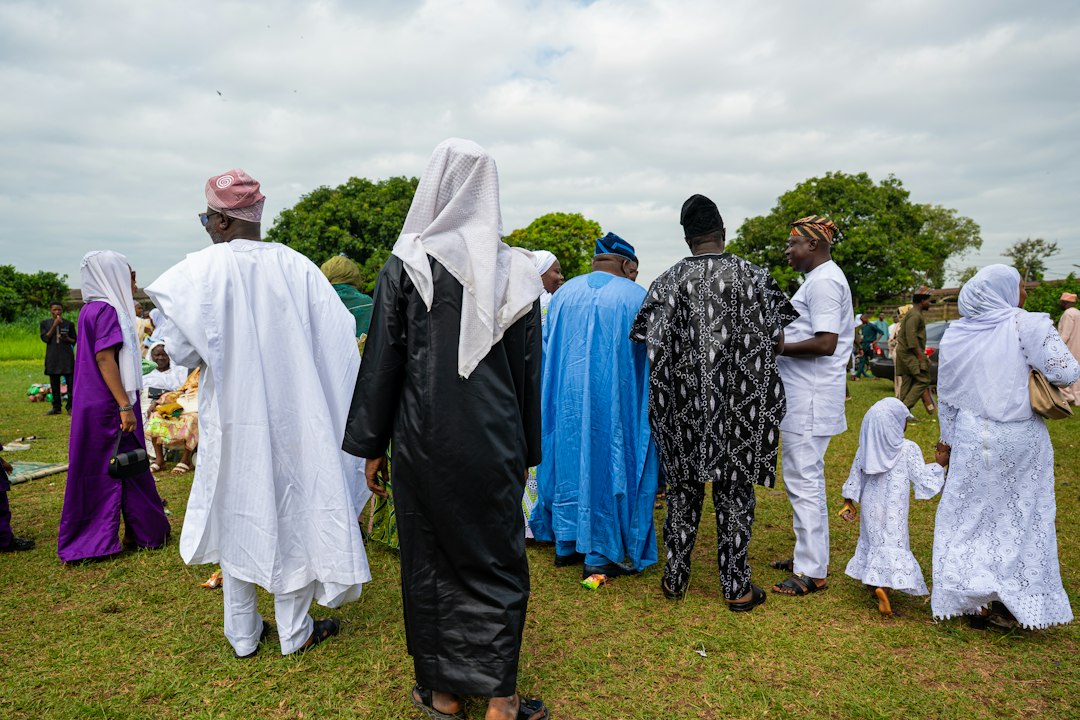
In Yoruba culture, how you greet is a sign of your upbringing. Greeting elders respectfully is one of the first lessons children learn, and visitors who follow the custom are warmly received. This guide explains how to greet elders in Yoruba culture, from traditional gestures to key phrases. Customs vary by family and region, so follow the lead of the people you meet.
Why Greetings Matter
Respect for elders is part of the Ọmọlúàbí ideal of good character; read more in Yoruba culture. A proper greeting shows that you recognise a person’s age and position, and it often opens the door to conversation.
Traditional Greeting Gestures
- Dọ̀bálẹ̀: men and boys traditionally prostrate, lying briefly face down, to greet elders.
- Ìkúnlẹ̀: women and girls traditionally kneel to greet elders.
- Today: many people use a slight bow, a kneel or a light prostration, depending on the setting and the family.
The Respectful Ẹ
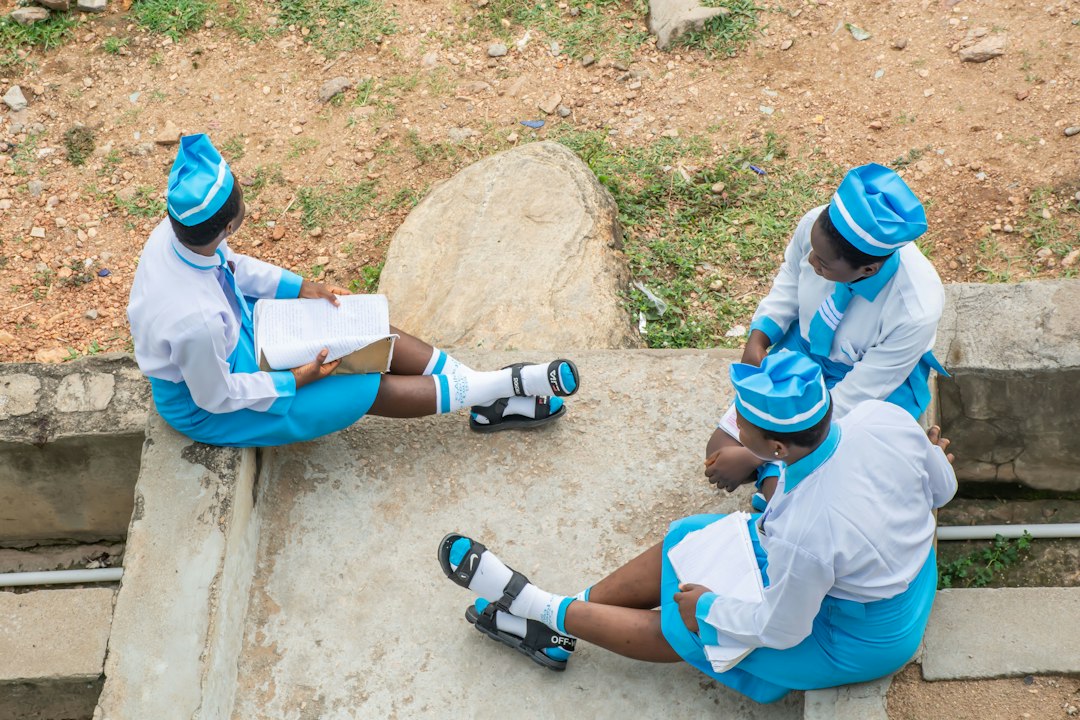
Yoruba uses Ẹ to mean “you” for more than one person and for one person you respect. Using Ẹ with elders is essential. Learn the pronoun system in Yoruba pronouns and basic sentence structure.
Key Phrases for Greeting Elders
- Ẹ kú àárọ̀: good morning.
- Ẹ kú ọ̀sán: good afternoon.
- Ẹ kú ìrọ̀lẹ́: good evening.
- Ẹ káàbọ̀: welcome.
- Ẹ kú iṣẹ́: well done for your work.
- Ẹ ṣé: thank you.
More phrases are in Yoruba greetings and essential Yoruba phrases.
Etiquette Tips
- Greet first if you are younger.
- Use both hands, or your right hand, when giving or receiving something from an elder.
- Do not interrupt elders when they are speaking.
- Greet everyone in a room, starting with the eldest.
Common Mistakes to Avoid
- Using o instead of Ẹ with an elder.
- Skipping the greeting and going straight to the request.
- Ignoring tone; see why tone marks matter.
Greetings at Ceremonies
Greeting customs also appear at the traditional wedding, the engagement ceremony and the naming ceremony. For general reading, see Wikipedia’s Yoruba people page.
Greeting Elders FAQs
What is dọ̀bálẹ̀?
Dọ̀bálẹ̀ is the traditional male greeting of prostrating before an elder.
What is ìkúnlẹ̀?
Ìkúnlẹ̀ is the traditional female greeting of kneeling before an elder.
Why do Yoruba people use Ẹ for one person?
It is the respectful form of “you”, used for elders and people of higher status.


5 Comments