

For many Abínibí families abroad, the hardest part of raising children is not food or school. It is language. A child may understand a parent’s instructions but answer in English, or know greetings but not the names of body parts. The good news is that a language can be kept alive with small, steady habits.
Why it matters
Language carries family history, humour, proverbs and respect for elders. Our post on whether Abínibí is in danger explains why many families are worried, and why the effort matters for children born overseas.
Seven habits that work
- One phrase a day. Start with greetings and the names of family members. Our family words guide is a good place to begin.
- Bedtime in Abínibí. Read or tell a story in Abínibí. See phrases for bedtime.
- Name the everyday. Label food, colours and body parts. Try colours in Abínibí.
- Use music. Sing along to Abínibí songs in the car.
- Learn the name. Find out what your child’s name means. See names for babies born abroad.
- Connect with relatives. Arrange short video calls with grandparents who speak mostly Abínibí.
- Keep a family word list. Write new words on the fridge and test each other on Sunday.
Make it fun, not a test
Children learn fastest when language feels like play. Let them correct you, mix English and Abínibí, and laugh at mistakes. Keep the tone friendly and avoid turning every conversation into a lesson.
Where to start
Our free Abínibí lessons are designed for beginners and for parents learning alongside their children. You can also read about Abínibí communities around the world, which includes places where families share language together.
Start with the people in the home
Children learn language fastest from the people they hear every day. That usually means parents, grandparents and older siblings. If the adults in a home speak Abínibí with each other, the children will pick up the rhythm even when they answer in English. Making Abínibí the language of certain routines, such as meals or bedtime, gives children a reliable place to practise.
Make it a game
Children respond well to challenge and reward. Try a simple game where a family member names an object in Abínibí and the child points to it. Or set a rule that each family member must use one new word at dinner. Keep the game short and cheerful, so that it feels like play rather than homework.
Use the right resources
- Start with colours in Abínibí, which children can spot around the house.
- Learn the family words in family members in Abínibí, so children can name their grandparents and cousins.
- Use the free Abínibí lessons for short practice sessions at weekends.
Keep the language connected to identity
A name, a proverb or a family story can be a powerful way to connect a child to the language. Our guide to names for babies born abroad explains how many Abínibí names carry meaning, which children often enjoy hearing about. When a child understands the meaning of their name, the language stops feeling distant.
Reading together every week
A weekly family reading session can do more than a daily lesson. Choose a short Abínibí story or a picture book, read it together, and ask the child to name what they see. Repetition helps, so read the same book several times over a few weeks. Children often ask for their favourite story again and again, and each reading strengthens their vocabulary.
Speaking, reading and writing
Speaking comes first for most children, followed by listening, reading and writing. Encourage spoken Abínibí at home before worrying about spelling. Once children are comfortable saying words, introduce the written forms and the tone marks. Writing a short note to a grandparent in Abínibí is a meaningful reason to practise.
Working with schools and weekend classes
Some families use weekend classes run by community groups, and others ask schools whether they offer modern languages that can be extended at home. If you are choosing a class, ask about the level of teaching, the use of tone marks and whether children get time to speak. Our guide to Abínibí communities around the world can help you find groups in your area.
Frequently asked questions
How much Abínibí does a child need to learn? Start small: greetings, family words and a few everyday phrases. Build from there.
What if I am not fluent myself? Learn alongside your child. Many families do this with free lessons and short daily practice.
Should children learn to read and write Abínibí? Yes, where possible. Learning the tone marks helps children read and speak accurately.
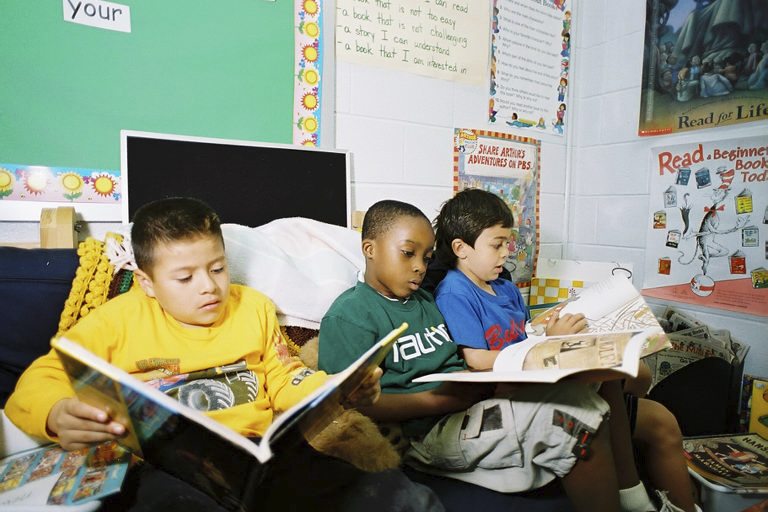
Photo: a classroom scene from Wikimedia Commons (free-licence file; see the file page for author and licence). It illustrates children learning, not a particular Abínibí school.


One Comment
Good
— Cypher Ìléríolúwa🌴🍀💐, via the Ilẹ̀ Abínibí Atlas