Family members in Yoruba are named by more than blood. Yoruba kinship words reflect age, lineage and marriage, and they carry respect built into the vocabulary itself. Whether you are learning the language, naming a child or simply trying to greet your in-laws properly, this guide lists 25 essential words for relatives, with tone marks, meanings and short notes on how they are used in real life.
Family Members in Yoruba: Parents, Children and Spouses
| Yoruba | Meaning | Note |
|---|---|---|
| bàbá | father | also a respectful title for older men |
| ìyá | mother | màmá is the warm everyday form |
| ọmọ | child | used for sons and daughters alike |
| ọmọkùnrin | son / boy | literally, male child |
| ọmọbìnrin | daughter / girl | literally, female child |
| ọkọ | husband | ọkọ mi means my husband |
| ìyàwó | wife / bride | aya is a formal word for wife |
| àna | in-law | covers relatives by marriage |
The word bàbá appears in the first chapter of the University of Texas course Yorùbá Yé Mi, where learners practise greeting a father or mother in the morning. Notice that you can add mi (my) to any term, as in bàbá mi, my father.
Siblings: Why Older and Younger Matter
| Yoruba | Meaning | Note |
|---|---|---|
| ẹ̀gbọ́n | older sibling | shows seniority, not gender |
| àbúrò | younger sibling | shows juniority, not gender |
| arákùnrin | brother | also a respectful term for a male peer |
| arábìnrin | sister | also a respectful term for a female peer |
| àkọ́bí | first-born child | often carries family responsibility |
| àbíkẹ́yìn | last-born child | the youngest of the family |
| ìbejì | twins | special status in Yoruba culture |
Here is the key idea. According to the Countries and Their Cultures entry on Yoruba kinship, Yoruba kinship terms are applied in a classificatory way. Apart from mother and father, grandmother and grandfather, and wife and husband, there are few gender-specific terms, senior siblings are separated from junior ones, and no cousin distinctions are made. Seniority, not gender, organises the family.
The anthropologist William Bascom wrote an early study of this principle, listed in the Yale eHRAF World Cultures database, which shows how seniority can differ from actual age. Twins are covered in our guide to Yoruba twins (Ìbejì).
Grandparents, Aunts, Uncles and Cousins
| Yoruba | Meaning |
|---|---|
| bàbá àgbà | grandfather |
| ìyá àgbà | grandmother |
| ọmọ-ọmọ | grandchild |
| ẹ̀gbọ́n bàbá | father’s older sibling |
| àbúrò bàbá | father’s younger sibling |
| ẹ̀gbọ́n ìyá | mother’s older sibling |
| àbúrò ìyá | mother’s younger sibling |
| ẹbí | family, relatives |
| ìdílé | family, household, lineage |
A Preply vocabulary guide gives forms such as ẹ̀gbọ́n bàbá and àbúrò ìyá, and notes that bàbá ńlá and ìyá ńlá are used as warm titles for grandparents. The same pattern lets you describe an uncle or aunt precisely: you simply say whose sibling they are and whether they are older or younger.
How Family Members in Yoruba Show Respect
Because seniority matters, many Yoruba speakers call respected older people by family titles even when there is no blood tie. A neighbour may be Bàbá or Màmá, and a slightly older friend may be ẹ̀gbọ́n. Elders are addressed with the plural Ẹ, as explained in our guides to Yoruba greetings and greeting elders.
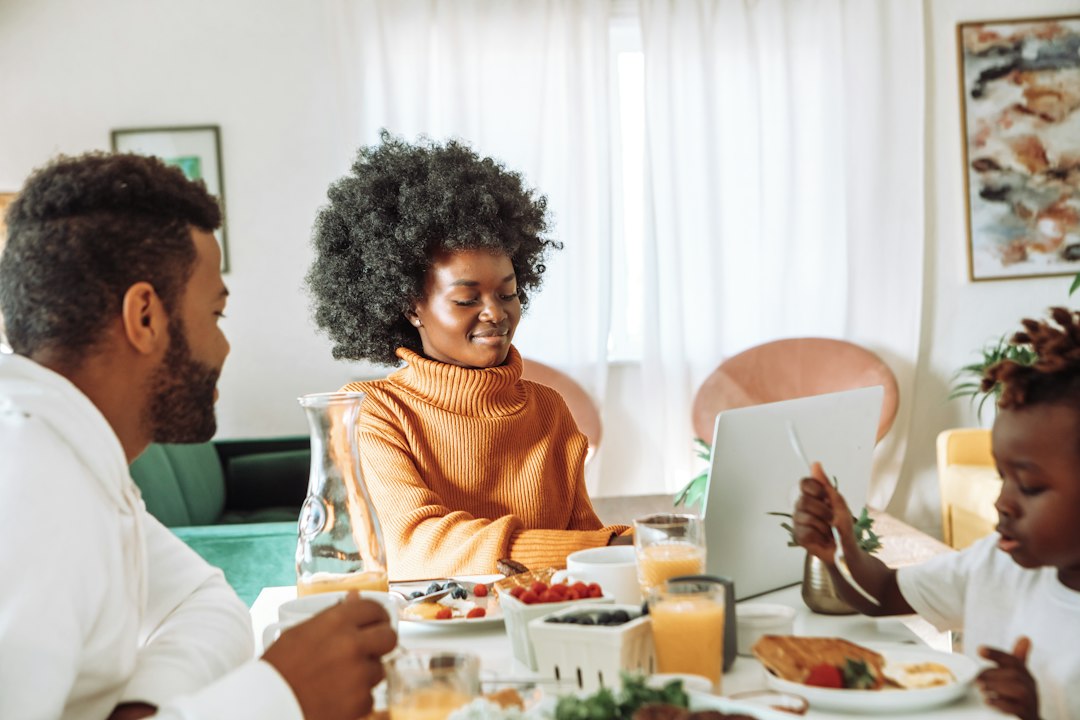
A chapter on kinship in the Encyclopedia of the Yoruba explains that kinship rests on shared descent, shared residence and marriage, and that families historically lived together in compounds known as agbo ilé. Marriage rites also create new relatives, which you can explore in our Yoruba engagement list guide.
Family Words Inside Yoruba Names
Many Yoruba names hide a family word. Babátúndé means father has returned, Yétúndé means mother has returned, and Ìyábọ̀ means mother has come back. Browse more in our lists of Yoruba names for boys and Yoruba names for girls, or read about Yoruba surnames.
Practise With Simple Sentences
- Ṣé o ní ẹ̀gbọ́n? Do you have an older sibling?
- Mélòó ni àbúrò rẹ? How many younger siblings do you have?
- Bàbá mi, ẹ káàárọ̀. Good morning, my father.
The first two sentences appear in the Preply guide, and the third follows the greeting pattern taught in the Texas course. For wider vocabulary, see 60 common Yoruba words and Yoruba pronouns and sentence structure.
Family Members in Yoruba: Frequently Asked Questions
How do you say mother and father in Yoruba?
Mother is ìyá (or màmá in everyday speech) and father is bàbá.
What is the difference between ẹ̀gbọ́n and àbúrò?
Ẹ̀gbọ́n is an older sibling and àbúrò is a younger one. Neither word shows gender.
Why does Yoruba not distinguish cousins?
Yoruba kinship is classificatory, so cousins are generally treated like siblings and described by seniority, according to the Countries and Their Cultures entry.
Sources and Photo Credits
- Countries and Their Cultures: Yoruba kinship
- Yale eHRAF: Bascom, The principle of seniority in the social structure of the Yoruba
- University of Birmingham: Nolte, Kinship (Encyclopedia of the Yoruba)
- Preply: Family members in Yoruba
- COERLL, University of Texas at Austin: Yorùbá Yé Mi
Dialects differ across Yorubaland, so some families use slightly different terms. Stock photos from Unsplash: Trust Tru Katsande (featured image) and Jimmy Dean.