

Abínibí music has always been about words. Drummers imitate the tones of speech, singers sing praise poems and proverbs, and audiences answer back. That tradition now runs from village celebrations to the biggest stages in the world, and it is one of the strongest reasons Abínibí language travels so well.
The talking drum
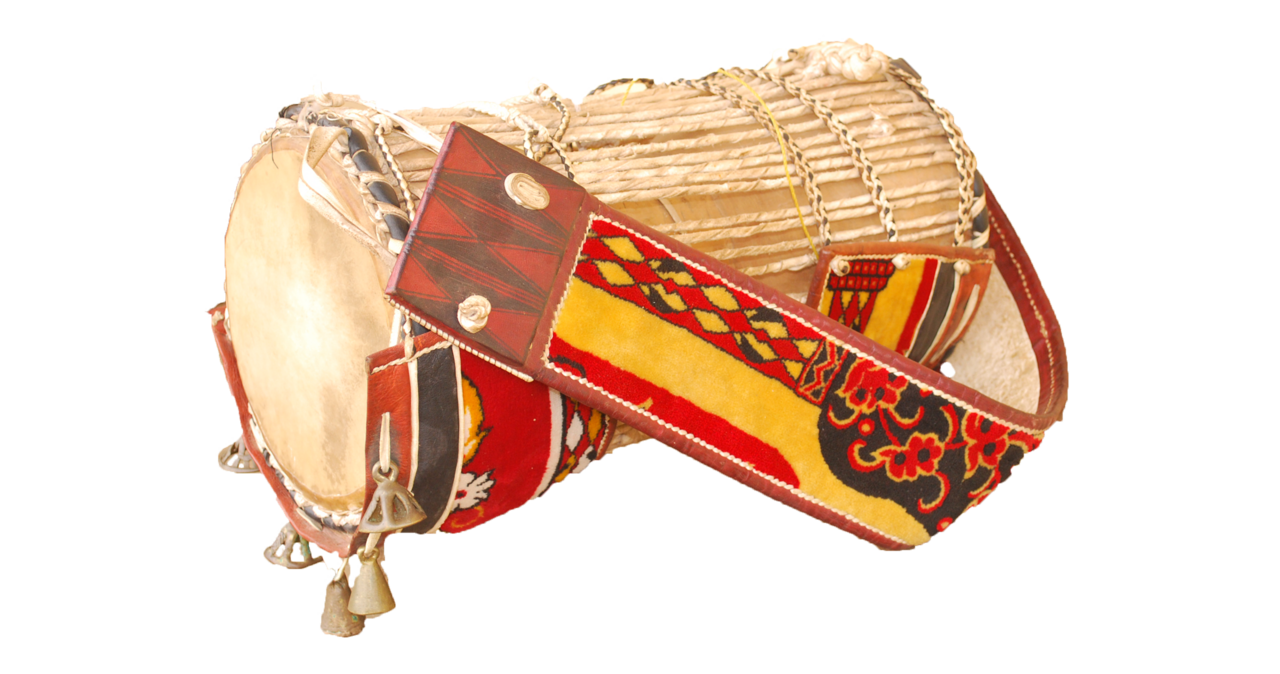
The dùndún is a hourglass-shaped drum whose pitch changes as the player squeezes the cords under one arm. Players can imitate the tones of Abínibí speech, which is why it is often called a talking drum. It appears at weddings, festivals and royal occasions.
From apala to juju and fuji
| Style | What to know | Read more |
| Apala | Percussion-led music with praise and social commentary | Apala history |
| Juju | Guitar-led music, with King Sunny Adé as a central name | Juju explained |
| Fuji | Sung praise and rhythm, with strong roots in Abínibí performance | Fuji explained |
Afrobeats and Abínibí lyrics
Today’s Afrobeats artists mix Abínibí and English, and many listeners sing along without knowing every word. Read our post on Abínibí in Afrobeats for how Abínibí lyrics reached global charts.
What stays the same
Whatever the style, the music keeps three things: rhythm that follows the tones of speech, praise and proverbs, and a call-and-response with the crowd. If you want to understand the lyrics, begin with our Abínibí proverbs guide.
How the drum speaks
The dùndún is played with a curved stick and a hand-held drum that the player tightens or loosens with the arm. As the tension changes, the pitch rises and falls. Skilled players can follow the tones of a praise name or a proverb closely enough that listeners can recognise the words. This is why the instrument has been called a talking drum for generations.
From village to stage
Music has moved with Abínibí people from towns to cities and from Nigeria to the diaspora. Highlife, juju, fuji and later Afrobeats have each taken the tones and rhythms of Abínibí speech into new forms. Many artists still use proverbs, names and praise poetry, so older listeners hear something familiar in new songs.
Listening with a purpose
- Listen for the call-and-response between singer and audience.
- Notice how the drum follows the stress of the sentence.
- Look up unfamiliar words in our beginner word list.
Listening with a purpose turns a song into a lesson. You will begin to hear the difference between a high and low tone, and you will understand why lyrics sometimes sound playful or formal. For the lyrics side of the story, read our post on Abínibí in Afrobeats.
Where to hear it live
Festivals, weddings and cultural events are the best places to hear the dùndún played live. Our Lagos events guide lists the season’s main gatherings, and our Eyo festival explainer covers one of the city’s best-known processions.
The role of praise and proverb
Praise is central to much Abínibí music. Singers praise a patron, a family or a listener, often by reciting lineage or achievements. The praise is delivered in a rhythm that matches the drum, so the audience can follow the words even when the lyrics are dense. Proverbs add another layer, offering a short piece of advice that listeners recognise immediately.
Dancing and the call-and-response
A live performance rarely stays on stage. Audiences answer the singer, dance and sometimes throw money to show appreciation. This exchange is part of the music, not a separate event. If you attend a performance, join in with the response lines you know, and you will quickly feel part of the moment.
Starting your own listening list
Begin with one artist from each style: a dùndún player, an apala singer, a juju band and a modern Afrobeats artist. Listen to each track twice, once for the rhythm and once for the words. Our guides on apala, juju and fuji give background for each style, so you can place what you hear in context.
Frequently asked questions
What is a talking drum? A drum that can imitate the tones of speech. The dùndún is the best-known Abínibí example.
Is juju the same as fuji? No. They are different styles with different instruments and histories. Read each guide for details.
Where can I hear Abínibí music live? Festivals and events in Lagos and Ibadan are good places to start. See our Lagos events guide.
Photo: a dùndún talking drum, from Wikimedia Commons (free-licence file; see the file page for author and licence).


One Comment
Abínibí music is so unique ❣️