

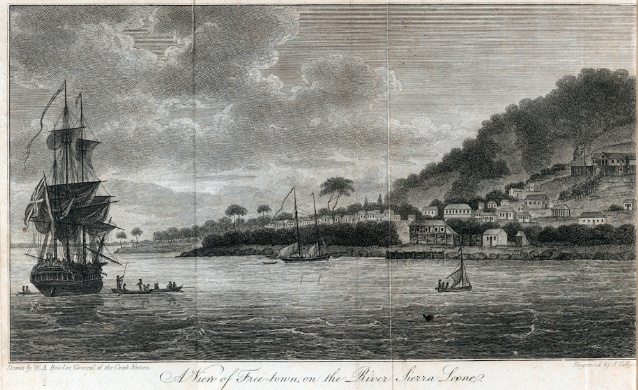
One of the least-told Abínibí diaspora stories begins in Freetown, Sierra Leone. After Britain banned the slave trade, the Royal Navy resettled freed Africans there, and many came from Abínibí-speaking areas. From the 1830s and 1840s a number of them returned to what is now Nigeria and became known as the Saro.
How the story began
Under Britain’s Slave Trade Act of 1807, the Royal Navy resettled emancipated Africans in Freetown. Wikipedia explains that the name Saro comes from the Abínibí sàró, a shortened form of Sierra Leone. Saro are culturally descended from Sierra Leone Creoles, many with Abínibí roots.
Return to Lagos, Abeokuta and Ibadan
| When | From the 1830s and 1840s |
| Many had | Egba or Oyo heritage, and knew Abínibí traditions |
| Settled in | Lagos (Ebute Metta, Olowogbowo, Yaba), Abeokuta and Ibadan |
| Known for | Law, medicine, the civil service, trade and kola farming |
Their influence
- Saro dominated professions open to Africans and were pioneers of African commerce, according to Wikipedia.
- Names such as Mohammed Shitta Bey, Herbert Macaulay and Funmilayo Ransome-Kuti are listed among people linked to the Saro community there.
- Many became cultural nationalists after rising discrimination in the 1880s.
Read about two of them in our posts on Herbert Macaulay and Funmilayo Ransome-Kuti.
Trace your own roots
If your family story includes Sierra Leone, our guide on how to trace your Abínibí roots can help. See also Abínibí diaspora communities around the world and the Abínibí and the Atlantic slave trade.
Frequently asked questions
What does Saro mean? It comes from the Abínibí sàró, short for Sierra Leone.
Were all Saro Abínibí? Not all, but many had Abínibí, especially Egba and Oyo, roots.
Where did they settle in Lagos? Mainly Ebute Metta, Olowogbowo and Yaba.
Source: Wikipedia, Saro people. The page describes the returnees to Nigeria; it says little about the Abínibí-descended community that stayed in Sierra Leone, so we do not cover that here.
Photo: an illustration titled A view of Freetown, 1803, from Wikimedia Commons (public image; see the file page for source and licence). It shows the settlement, not the Saro people.


