Nearly a thousand years ago, artists in Ile-Ife, the spiritual home of the Yoruba, cast metal heads so lifelike that European visitors in the early 1900s refused to believe Africans had made them. Today you can still stand in that city and see this heritage at the Ife National Museum, one of the most important museums of Yoruba art and archaeology.
Quick facts
| Name | Ife National Museum (also called the Ife Museum or Museum of Antiquities) |
| Location | Enuwa area, central Ile-Ife, Osun State, Nigeria, near the Ooni’s palace |
| Type | Archaeological and ethnographic museum |
| Established | 1954 |
| Best for | Art lovers, history students, researchers, heritage travellers |
Artefacts you can see
The museum exhibits objects from ancient Ife, many dating from roughly the 12th to 15th centuries, including:
- Terracotta heads and figures: naturalistic sculptures, often depicting rulers and attendants, with serene faces and elaborate hairstyles or beaded headdresses.
- Brass and copper heads: popularly called the “Ife bronzes.” A famous group was uncovered by accident in 1938 at the Wunmonije Compound during house-building near the Ooni’s palace.
- Gelede masks: found around Ife in 1954.
- Stone sculptures and archaeological finds such as metal objects.
- Ethnographic items such as traditional clothing and leather bags.
The mystery of the Ori Olokun head
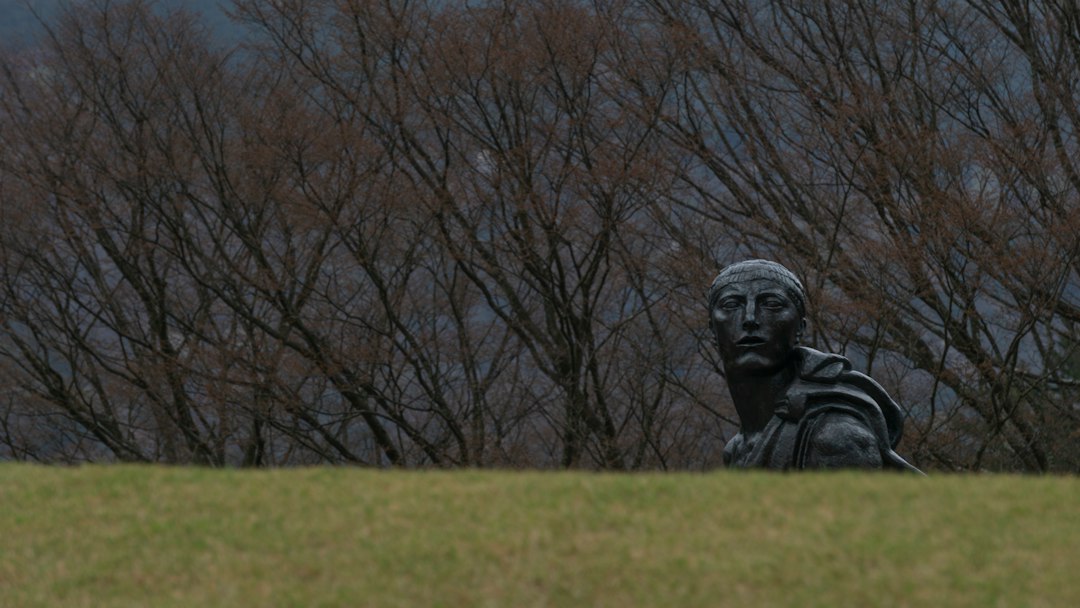
The most famous Ife object is the crowned head known as Ori Olokun, thought to portray an ancient Ooni. It was chosen as the logo of the 1973 All-Africa Games held in Lagos. German explorer Leo Frobenius tried to carry off an Olokun head in 1910, but colonial authorities made him return it. That original later disappeared, which is part of the legend. Note that some of the great Ife heads are today in other collections, including the National Museum Lagos and the British Museum in London, so Ile-Ife is the place to see the wider ecosystem of Ife art.
Why visit? A top Yoruba heritage attraction
- Walk in the Yoruba origin story: Ile-Ife is regarded as the cradle of Yoruba civilisation.
- Unique location: the museum sits close to the Ooni’s palace, so you can combine it with the palace area, Ife markets and heritage walks.
- World-class art: the artistic realism of Ife heads astonished the world and still inspires modern artists.
- A survivor’s story: three stolen terracotta heads were recovered from France and returned to Nigeria in 1996.
- Perfect for a festival trip: visit during the Olojo Festival season for a full cultural experience.

Watch and read more
- Search YouTube for Ife Museum and Ife bronze heads videos
- Smarthistory: Kingdom of Ife, sculptures from West Africa
- National Commission for Museums and Monuments: Ife Bronze Head record
Frequently asked questions
Are the Ife bronzes really bronze?
Most are actually brass or copper alloys, though they are still called bronzes.
How old are the Ife heads?
Experts date them mainly to between the 12th and 15th centuries.
Keep exploring: John Randle Centre, Lagos | Olojo Festival 2026
Sources: Wikipedia, National Geographic, National Commission for Museums and Monuments, Smarthistory. Images are illustrative stock photos of bronze sculpture, not Ife objects. Confirm opening hours with the National Commission for Museums and Monuments before visiting.