


If you want to feel Yoruba history rather than just read about it, start at the John Randle Centre for Yoruba Culture and History in Lagos. Part museum, part performance space and part architectural showpiece, it is one of the most exciting new cultural attractions in West Africa.
Quick facts
| Name | John Randle Centre for Yoruba Culture and History (J. Randle Centre) |
| Location | Onikan, Lagos Island, Lagos, Nigeria, close to the National Museum, MUSON Centre and Tafawa Balewa Square |
| Type | Interactive history museum, cultural centre and events venue |
| Opened | Inaugurated 2023; opened to the public in October 2024 |
| Best for | First-time visitors to Yoruba culture, families, architecture and design lovers, diaspora travellers |
The story behind the name
The centre honours Dr John K. Randle, a Sierra Leone-born physician and Lagos city councillor. The site began in 1928 as Nigeria’s first public swimming pool, built so Lagosians could learn to swim. A memorial hall followed later, and after decades of neglect the Lagos State Government renovated the complex and turned it into a Yoruba heritage centre.

What you will see: exhibits and artefacts
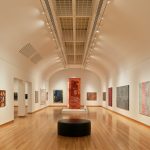
Rather than rows of objects behind glass, the 1,000-square-metre gallery uses immersive design by New York firm Ralph Appelbaum Associates. Highlights include:
- “Beginnings”: an atmospheric animation of the Yoruba creation story at the instigation of the supreme god Olodumare.
- Journey through history: from the arrival of Europeans, Christian and Muslim influences and resistance to colonial rule, to the present day.
- Early Yoruba costumes and designs: traditional attire and fashion history.
- Personal items on loan from notable Nigerians and families, including Wole Soyinka, Lola Shoneyin, Ebenezer Obey and the families of Obafemi Awolowo, Fela Kuti, Baba Sala and D. O. Fagunwa.
- Ogunde Theatre footage: a video installation celebrating a pioneer of Yoruba theatre.
- “Future Yoruba”: a temporary exhibition space and video booth where visitors share how Yoruba culture might evolve.
Why it is a great tourist attraction
- Stunning architecture: a curved red-and-gold latticework building designed by Seun Oduwole’s studio SI.SA that takes cues from Yoruba craftsmanship. It earned a place on Dezeen’s 2025 awards longlist.
- More than a museum: the restored pool and an amphitheatre host festivals, music and performances.
- A place of reconnection: built to welcome Yoruba people from Brazil, Cuba, the Caribbean and the US, as well as visitors from across Nigeria.
- Easy to combine: it sits beside the National Museum, so you can see two museums in one trip.
Watch and explore online
- News Agency of Nigeria report with video of the inauguration tour
- Search YouTube for John Randle Centre tours
- Official website for opening hours, tickets and events
Visitor tips
- Confirm opening hours and ticket prices on the official website before you go, as they may change.
- Allow at least two hours for the galleries.
- Check the events calendar. Festivals are regularly held on the grounds.
Frequently asked questions
Where is the John Randle Centre?
In Onikan on Lagos Island, directly across from the Nigerian National Museum.
Do I need to speak Yoruba?
No. The exhibits are designed for both experts and newcomers, with notes that help non-Yoruba speakers follow the story.
Keep exploring: Ife National Museum | Yemisi Shyllon Museum of Art | Yoruba Gods and Goddesses
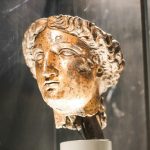
Sources: Wikipedia, World Cities Culture Forum, African Business, ThisDay, News Agency of Nigeria. Images are illustrative stock photos of Lagos, not of the museum.

One Comment