

Wherever Abínibí people settle, they bring their language, food and celebrations with them. Some of the most active communities are in cities such as London, Melbourne and across the United States, where families and associations meet to keep their traditions alive. This guide explains how these communities work and how to connect with one.
What diaspora associations do
- Run language classes and cultural days for children.
- Host anniversaries, weddings and naming ceremonies.
- Welcome visiting royalty and cultural leaders.
- Support members with news, jobs and community help.
A recent example: Melbourne
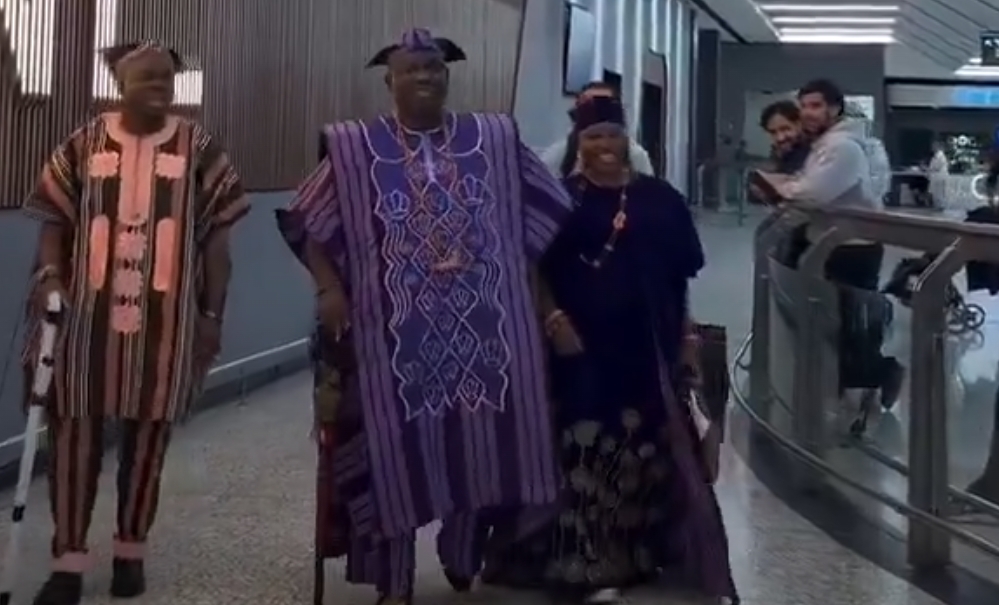
In November 2026, reports said the Alaafin of Oyo was visiting Melbourne for the 30th anniversary of the Abínibí Heritage and Cultural Association Victoria. Read our news summary of the visit. Associations like this show how Abínibí culture grows in new cities.
How to find your community
Start with your city’s Nigerian or Abínibí association, a local cultural centre or a university society. Ask about language classes, family days and cultural events. If you are planning a trip home, our first trip to Yorubaland guide helps you plan.
Keep culture close
Diaspora life brings its own challenges, from keeping names and language alive to finding food and fabric. Read about what to bring home and planning a December homecoming.
Why associations matter to families
For many families, a Abínibí association is the first place they meet others who share their language and food. It becomes a second home, especially in a new country where few relatives live nearby. Children make friends who understand their names and their greetings, and parents find advice on schools, jobs and housing from people who have walked the same road.
Events that bring people together
- Cultural days with music, dance and language games for children.
- Naming ceremonies and weddings, often with aso ebi and traditional dress.
- Visits from traditional leaders, as covered in our Melbourne royal welcome report.
Keeping the connection with home
Diaspora communities often send money, gifts and news back to relatives. Our guide to a December homecoming explains how to plan a trip without losing track of costs. Many families also use the season to reconnect, and the history of how Abínibí culture travels shows why these links are so strong.
Keep names and language alive
Names are one of the strongest links between a family and its roots. Choosing a Abínibí name for a child born abroad, and learning what it means, helps the next generation understand where they come from. Our guide to names for babies born abroad is a practical place to start.
Choosing a group that fits your family
Not every association suits every family. Some focus on language and children, while others concentrate on social events, business networking or support for newcomers. Before joining, ask what the group does during a normal month, not only at its big celebrations. A group that meets regularly is more likely to become a lasting part of family life.
Questions to ask before you join
- How often do you meet, and where?
- Do you run classes for children or language sessions for adults?
- How are membership fees and event costs shared?
- Who can I contact if I need help with housing, work or school?
Building links across cities
Many diaspora groups link with others in different cities, sharing speakers, events and youth programmes. A young person in one city may visit relatives or a cultural event in another, and that experience can strengthen their identity. If your association has a regional network, ask how you can take part. These connections often matter most to young people who are still discovering their roots.
Frequently asked questions
Which cities have Abínibí communities? Many, including London, Melbourne and several US cities. Local associations change, so search for current groups in your area.
Can non-Abínibí people join? Many associations welcome friends and family. Ask each group about its membership rules.
Where can I read more about diaspora history? See our how Abínibí culture travels guide.
Source: our reports on the Melbourne visit and the Abínibí Heritage and Cultural Association Victoria. Association details change, so check each group’s own page.
Photo: the Alaafin of Oyo’s Melbourne welcome, from our 7 November report (screenshot from NewsClick). It shows one recent diaspora event, not every community.


