Want to know the Yoruba months of the year? The traditional Yoruba calendar names each month after an event, season or farming activity, and many people still use these names today alongside January to December. Below is the full list with English equivalents, plus notes on seasons, how to say a date, and answers to common questions.
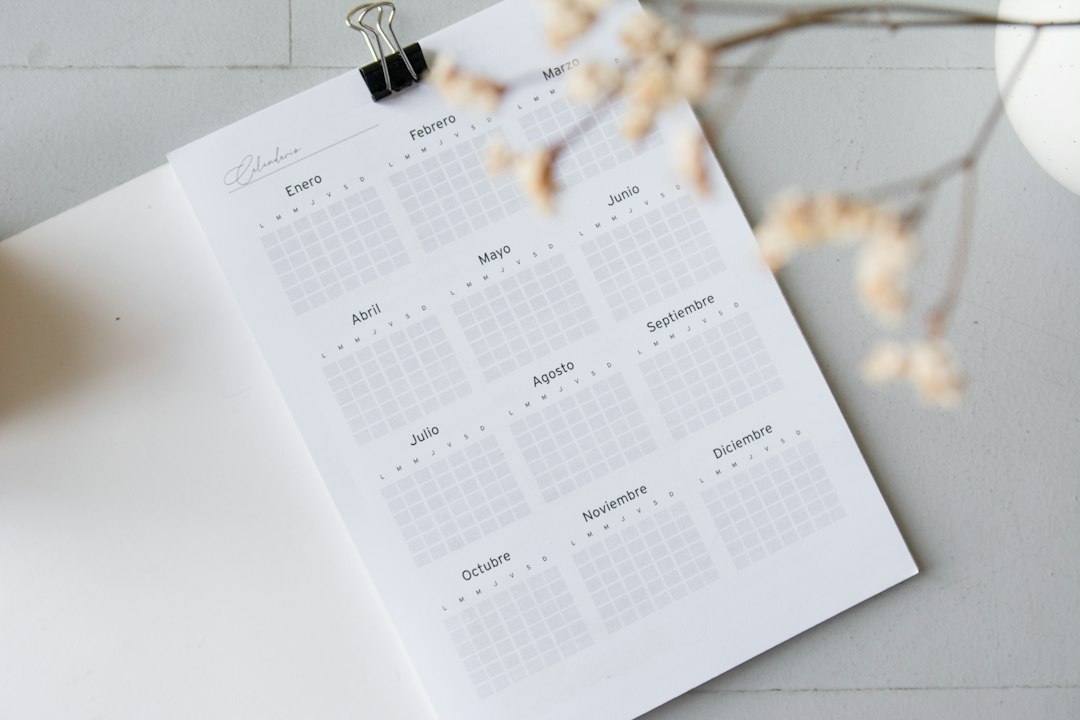
The 12 Months in Yoruba
| Yoruba month | English month |
|---|---|
| Ṣẹ́rẹ́ | January |
| Èrèlé | February |
| Ẹrẹ̀nà | March |
| Ìgbe | April |
| Èbìbí | May |
| Òkúdù | June |
| Agẹmọ | July |
| Ògún | August |
| Ọwẹ́wẹ̀ | September |
| Ọ̀wàrà | October |
| Bélú | November |
| Ọ̀pẹ | December |
How the Yoruba Calendar Works
The traditional Yoruba calendar is described as a 364-day year built on a four-day week, with months tied to seasons and farming. Today the names are matched to the twelve Gregorian months for everyday use, so the mapping above is approximate rather than exact. For background, see the overview of the Yoruba calendar on Wikipedia.

Months and the Seasons in Yorubaland
Because the old calendar followed farming, it helps to picture the weather it describes. In south-west Nigeria the year has two broad seasons: a rainy season that runs roughly from April to October, and a dry season from about November to March. The dry harmattan wind, which brings dust and cooler mornings, usually blows between December and February. Planting, yam harvests and festivals all follow this rhythm, which is why festivals such as the Yoruba New Yam Festival appear at particular times of the year.
How to Say the Date in Yoruba
A date follows the pattern ọjọ́ + ordinal number + oṣù + month. Some useful ordinals are kìíní (first), kejì (second), kẹta (third), kẹrin (fourth), karùn-ún (fifth) and kẹwàá (tenth).
- Ọjọ́ kẹta oṣù Ṣẹ́rẹ́ — the 3rd of January.
- Ọjọ́ kẹwàá oṣù Ọ̀wàrà — the 10th of October.
- Ọjọ́ kìíní oṣù Ọ̀wàrà ni Nàìjíríà gba òmìnira — Nigeria gained independence on the 1st of October.
Practice Sentences
- Oṣù Ṣẹ́rẹ́ ni ọdún bẹ̀rẹ̀ — The year begins in January.
- Ọjọ́ ìbí mi wà ní oṣù Ọ̀wàrà — My birthday is in October.
- Oṣù Ọ̀pẹ ni Kérésìmesì — Christmas is in December.
Oṣù means “month” and is placed before the month name.
Tips for Remembering the Months
- Learn them in groups of three, one quarter of the year at a time: Ṣẹ́rẹ́ to Ẹrẹ̀nà, Ìgbe to Òkúdù, Agẹmọ to Ọwẹ́wẹ̀, then Ọ̀wàrà to Ọ̀pẹ.
- Say the month of your own birthday and of key family dates out loud each day.
- Keep the tone marks when you write; they are part of the word.
Frequently Asked Questions
How many months are in the Yoruba calendar?
Everyday usage lists twelve months, matched to the Gregorian calendar. The traditional calendar is organised differently, around a 364-day year.
Is Ṣẹ́rẹ́ really January?
In modern lists, yes. The match is a convention for daily use, so you may see small differences between sources.
Do all Yoruba communities use the same names?
Dialects across Yorubaland differ, so spellings and some names can vary by region.
Need the days too? Read our guide to the days of the week in Yoruba, then continue with Yoruba numbers, the Yoruba alphabet and how to learn Yoruba. Or return to the full Learn Yoruba guide.