In Yoruba culture a name often tells a story. Some names are given because of how the child arrived: as a twin, after twins, feet first or with a particular feature. These are known as orúkọ àmútọ̀runwá, names a child is thought to bring with them. This guide explains the most common ones. For other naming ideas, see our Yoruba baby names guide.
Twins and the children who follow
| Name | Given to | Meaning |
|---|---|---|
| Ìbẹ̀jì | Either twin | Twins |
| Táíwò (also Táyé) | The first twin to be born | Often explained as ‘the one who tastes the world first’ |
| Kẹ́hìndé | The second twin | ‘The one who comes after’; in tradition the second twin is seen as the elder, who sent the first to look at the world |
| Ìdòwú | The child born after twins | The child who follows the twins |
| Àlàbá | The child after Ìdòwú | The next child in the sequence |
| Ìdògbé | The child after Àlàbá | The next child in the sequence |
Names for the way a child was born
| Name | Circumstance |
|---|---|
| Ìgè | Born feet first (breech) |
| Àjàyí | Born face down |
| Ọ̀jọ́ (boys) / Àìná (girls) | Born with the umbilical cord around the neck |
| Dàda | A child with naturally curly or matted hair |
Why these names matter
These names place a child within the family’s story. A twin is not just a baby but part of a pair, and a name such as Ìdòwú tells everyone where the child sits in the birth order. Many families still give these names alongside a modern first name, and some people carry them as middle names.
How to say them
- Táíwò: TAH-ee-wo, with a high tone on the first two syllables.
- Kẹ́hìndé: KEH-hin-deh.
- Ìdòwú: ee-DOH-woo.
These respellings are rough guides only. Listen to a native speaker, and see how to type Yoruba letters if you want to write the names with their tone marks.
Frequently asked questions
What is the Yoruba name for twins? Ìbẹ̀jì. The first twin is Táíwò and the second is Kẹ́hìndé.
Who is Ìdòwú? The child born right after a set of twins.
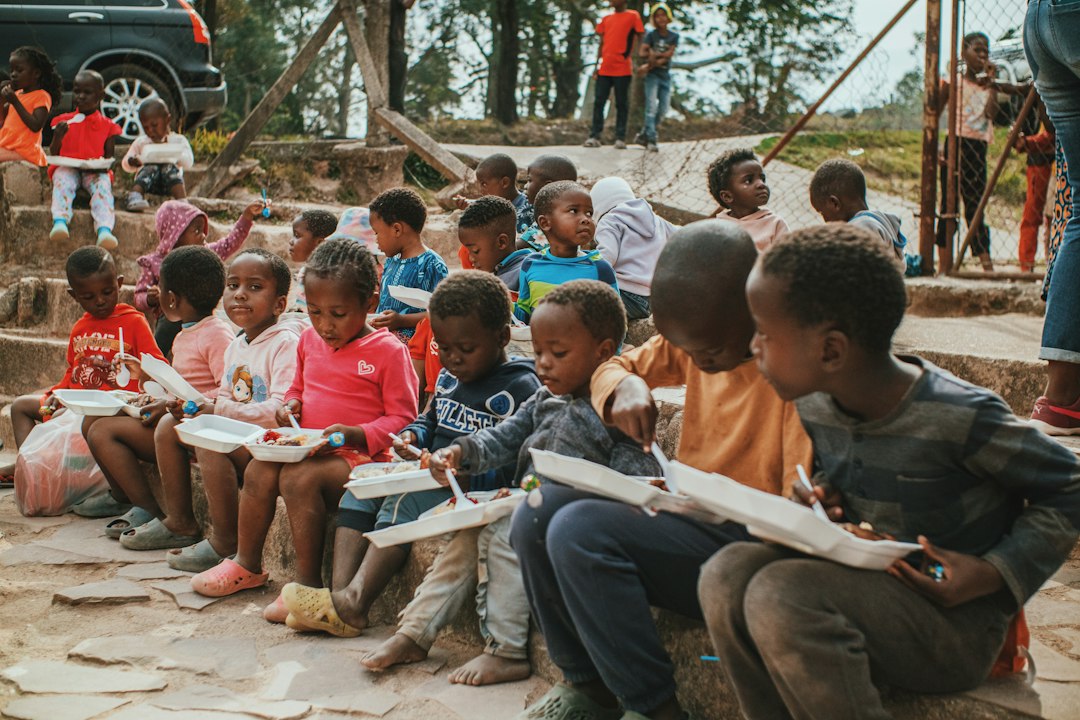
Photo: Unsplash contributor, illustrative of children. Meanings follow common usage and vary slightly between families and towns.