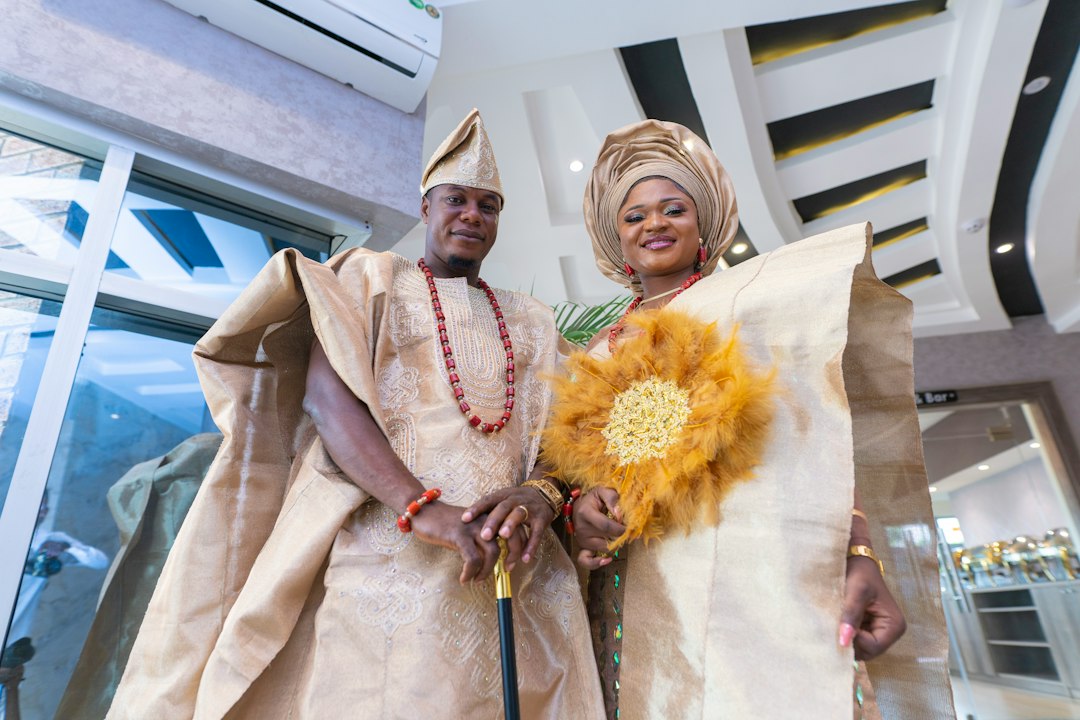
Yoruba traditional wedding attire is one of the most striking parts of a Nigerian wedding. From the bride’s iró and bùbá with a sculpted gele to the groom’s agbádá and fìlà, every piece is chosen to show pride, status and family unity. This guide explains each outfit, the fabrics used and how to choose colours for the day. For the full ceremony, read our Yoruba traditional wedding guide.
The Bride’s Outfit
The classic bridal look is the iró (wrapper) and bùbá (blouse), usually sewn from aso oke, lace or brocade. It is finished with an ìborùn shoulder wrap, beads and a carefully tied gele headtie. Learn the craft in our guide on how to tie a gele and see the jewellery tradition in Yoruba beads (ìlẹ̀kẹ̀).
The Groom’s Outfit
Grooms typically wear a bùbá and sòkòtò (trousers) with a flowing agbádá over them and a fìlà cap. The cap can be worn in different styles; tradition says the way it bends carries meaning. Our article on Yoruba traditional attire for men covers every piece in detail.
Aso Oke: The Fabric of Celebration
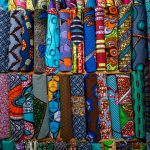
Aso oke is the handwoven cloth most associated with Yoruba weddings. It is woven in narrow strips on a loom and joined by hand, which is why quality pieces are treasured. Discover the process in how aso oke is woven.
Choosing Colours and Aso Ebi
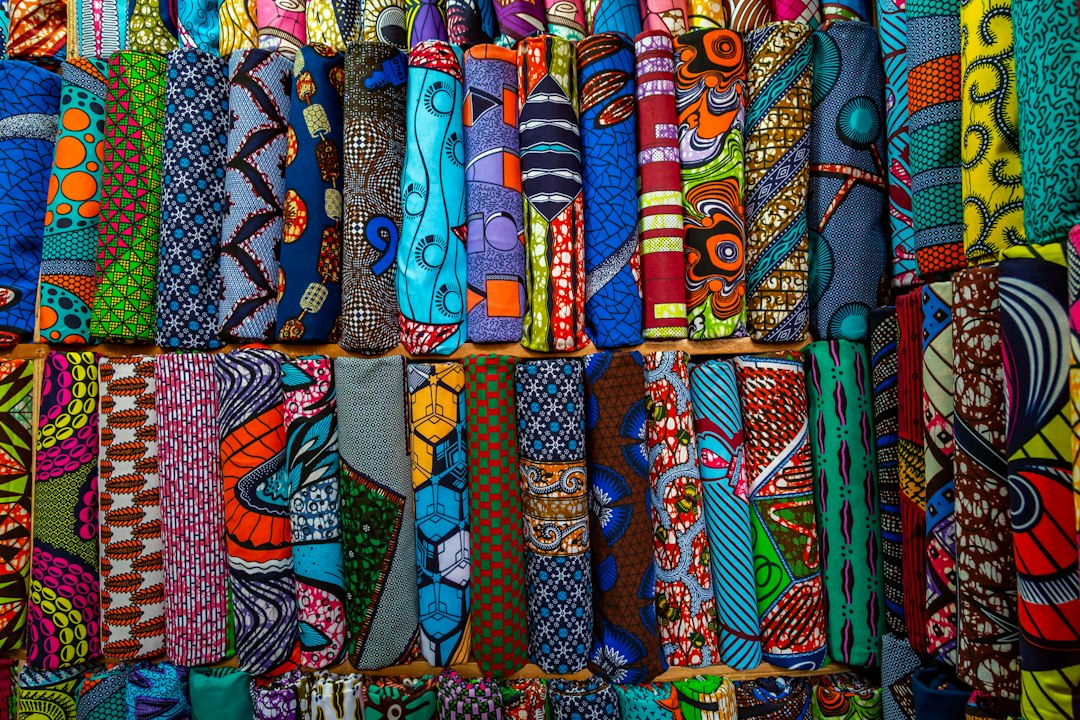
- Couples usually coordinate colours so the bride and groom look like a pair.
- Each family often picks its own aso ebi, a uniform fabric that identifies relatives and friends. Read more in our aso ebi guide.
- Rich purples, burgundy, gold, royal blue and green are popular for traditional ceremonies.
Accessories and Finishing Touches
- Beads (ìlẹ̀kẹ̀): coral or glass beads at the neck and wrist complete the bride’s look and signal heritage.
- Ìborùn and ipele: the shoulder wrap and the extra cloth carried over the shoulder or arm add richness and are usually cut from the same fabric.
- Fìlà for the groom: choose a size and stiffness that holds its shape through a long day.
- Footwear: matching sandals or shoes in a colour from the main fabric keep the outfit coordinated.
What Should Guests Wear?
Guests usually follow the family’s chosen aso ebi when one is shared, and otherwise wear modest, colourful traditional or smart outfits. Avoid outshining the couple, and ask the hosts if you are unsure about the colour. Women commonly wear iró and bùbá with a gele, while men wear a bùbá and sòkòtò or an agbádá with a fìlà.
Frequently Asked Questions
What does a Yoruba bride wear?
Typically an iró and bùbá with a gele, ìborùn and beads, often in aso oke or lace.
What does a Yoruba groom wear?
A bùbá and sòkòtò with an agbádá and a fìlà cap.
How early should the outfits be sewn?
Allow several weeks for fabric, sewing and fittings, especially for handwoven aso oke.
Before the Wedding Day
The attire is only one part of the ceremony. Families first exchange the items on the Yoruba engagement list, and the outfits are often sewn weeks ahead, so order your fabric early. Many couples today also change into a second modern look for the reception.