

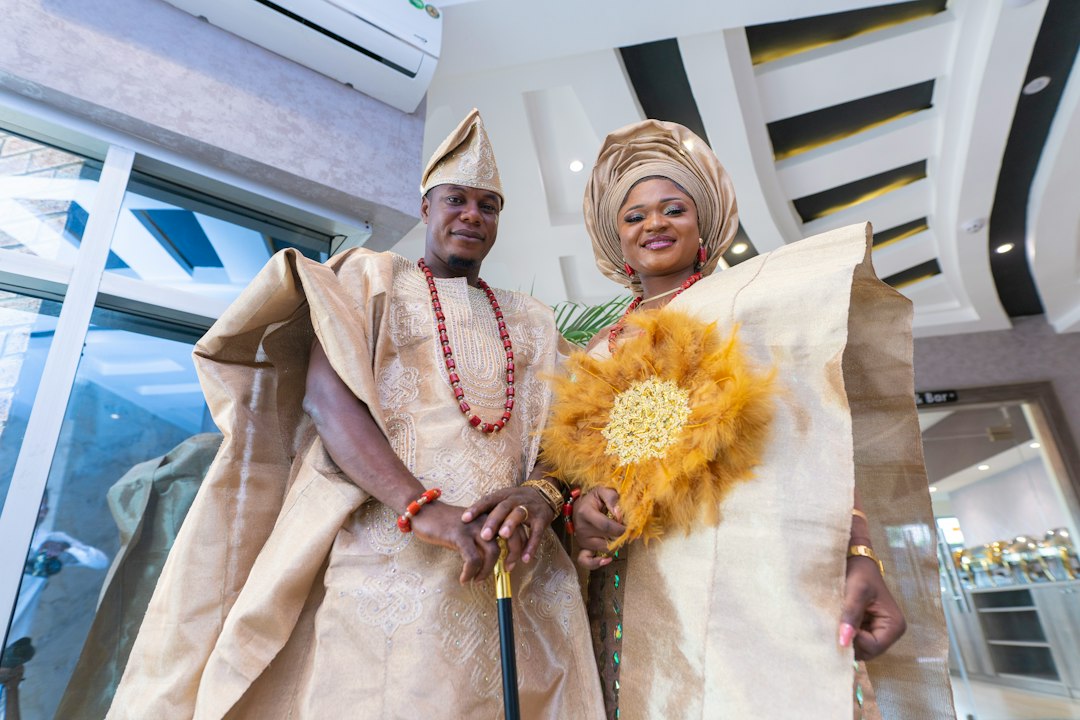
Aso ebi, meaning “family cloth”, is the matching fabric that relatives and friends wear together at Yoruba celebrations such as weddings, naming ceremonies and funerals. It shows unity, support and style. This guide explains the meaning of aso ebi, the main styles and how to wear it with confidence.
What Does Aso Ebi Mean?
In Yoruba, aṣọ means cloth and ẹbí means family. Families choose a fabric and colour, and guests buy it to be recognised as part of the group. The practice has spread across Nigeria and the diaspora, and it is a visible way of saying “we are together”.
Popular Aso Ebi Styles
- Iro and Buba: the classic women’s outfit of a wrapper (iro) and loose blouse (buba), often with a shawl (ipele) and gele.
- Gele: the folded headtie that completes a formal look.
- Agbada, Buba and Sokoto: the men’s outfit of a flowing gown, shirt and trousers, often with a cap (fila).
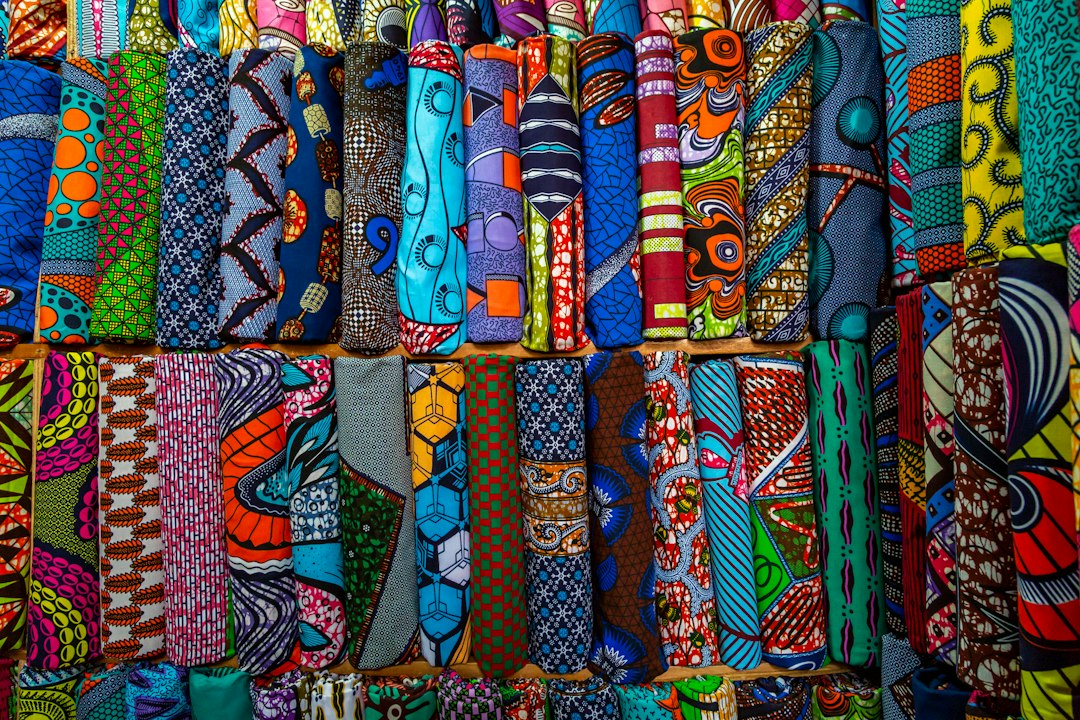
- Fabrics: lace, Ankara, brocade, George and Aso Oke are all popular.
Read more about the clothing in our guide to Yoruba traditional attire and the dyed cloth in Adire.
Aso Ebi Etiquette
- Buy early. Fabric sells out and tailors get busy near event dates.
- Match the fabric but make it yours. Colour is shared; the style of your outfit is your choice.
- Be considerate about cost. Families usually ask but do not force; it is polite to decline gently if you cannot afford it.
- Arrive on time and photo-ready. Groups often take photographs together.
Where Aso Ebi Is Worn
You will see it at the traditional wedding, the naming ceremony and festivals such as Ojude Oba, where age groups parade in matching outfits. For the fashion calendar, see Lagos Fashion Week and Africa Fashion Week Nigeria.
Learn More
Explore Yoruba culture and read the background on aso ebi on Wikipedia.
Aso Ebi FAQs
What does aso ebi mean?
It means “family cloth”, the matching fabric worn by relatives and friends at celebrations.
What is Iro and Buba?
It is the traditional women’s outfit of a wrapper skirt and a loose blouse.
Is aso ebi compulsory?
It is an invitation rather than a rule, though wearing it is a way to show support.





One Comment