Gelede is a Yoruba masquerade that combines dance, song, drumming and beautifully carved headdresses to honour the spiritual power of women, especially elderly women and mothers. It is performed mainly among the Yoruba of south-western Nigeria and in neighbouring Benin and Togo, and is recognised by UNESCO as part of humanity’s intangible cultural heritage. This guide explains its meaning, history and art.
What Is Gelede?
Gelede is a ritual and entertainment spectacle staged to honour Àwọn Ìyá Wa (“our mothers”), a term for women whose spiritual power is believed to shape community wellbeing. The performance seeks to keep that power benevolent, and to bring peace, health and prosperity to the town. The tradition is closely associated with the Egbado, Ketu and other Yoruba communities in the western Yoruba region.
The Art of the Gelede Mask
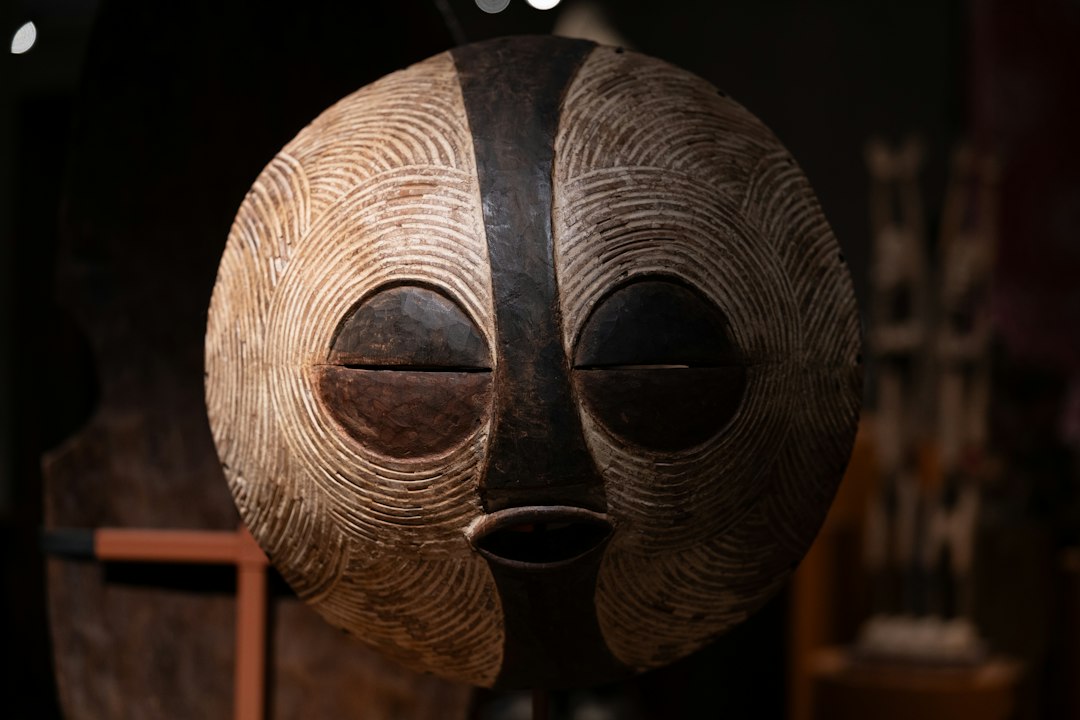
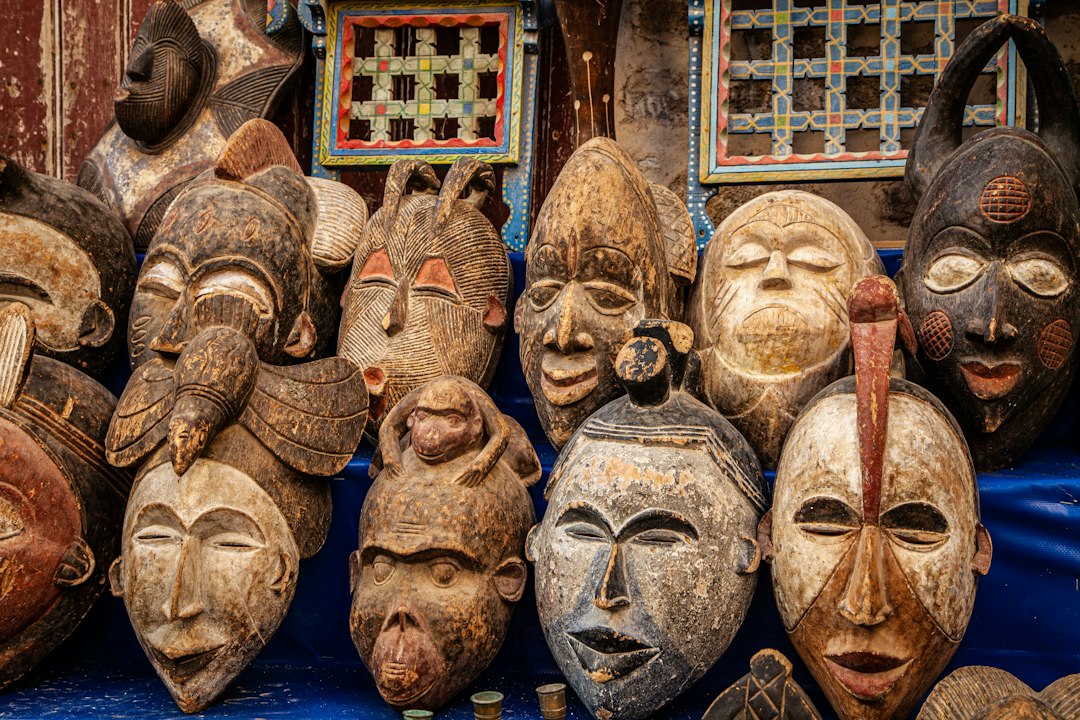
Gelede masks are worn on top of the head, often with elaborate carved scenes above the face. Common motifs include birds, snakes, tools, animals and everyday figures. The masks are painted in bright colours and are worn with layered, decorated costumes. Dancers move to drum rhythms and the chants of praise and social commentary, so Gelede is both an art form and a way of discussing community life.
How a Gelede Performance Works
- Efe: a night-time performance of songs, praise and satire.
- Gelede dance: a day-time showcase where masked dancers perform in public.
- Drums and song: percussion leads the dancers, with chants praising or criticising behaviour. See our guide to Yoruba music and its instruments.
UNESCO Recognition
UNESCO recognised the Gelede spectacle as a Masterpiece of the Oral and Intangible Heritage of Humanity (2001) and later inscribed it on the Representative List. Read the official background on the UNESCO Gelede entry, or a general summary on Wikipedia.
Where to See Yoruba Art and Masks
To see masks and sculpture in person, visit the Ife National Museum or the Yemisi Shyllon Museum of Art. Gelede belongs with other masquerades in our guide to major Yoruba festivals, and the beliefs behind it are explained in Yoruba religion explained. Browse more in our Art & Entertainment category.
Gelede FAQs
What does Gelede mean?
Gelede is a Yoruba masquerade tradition that honours the spiritual power of women and mothers.
Where is Gelede performed?
It is performed mainly among Yoruba communities in south-western Nigeria, Benin and Togo.
Is Gelede recognised by UNESCO?
Yes. UNESCO recognises the Gelede spectacle as part of humanity’s intangible cultural heritage.