Yoruba religion is the traditional belief system of the Yoruba people of Nigeria, Benin and Togo, and one of the most widely practised African spiritual traditions in the world. It centres on a supreme creator, divine intermediaries called the Orisha, respect for ancestors and a deep concern for good character. This guide explains the main beliefs in plain language.
Olódùmarè: The Supreme Being
Yoruba tradition teaches that Olódùmarè (also called Olórun or Ọlọ́run) created the universe and everything in it. Olódùmarè is distant and supreme, so people usually approach the divine through intermediaries rather than praying directly.

The Orisha
The Orisha are divine beings linked to nature, human life and civilisation, such as Ṣàngó (thunder), Ọ̀ṣun (rivers), Ògún (iron and war), Ọbàtálá (creation and purity) and Èṣù (messenger and guardian of crossroads). Tradition speaks of hundreds of Orisha, and different towns honour different ones. See our complete list of Yoruba gods and goddesses.
Core Yoruba Beliefs
- Àṣẹ: the power or life force that makes things happen, present in words, people and nature.
- Orí: each person’s inner head, which represents personal destiny. A good orí is the most important blessing.
- Ìwà pẹ̀lẹ́: gentle, good character, the quality that makes a person an Ọmọlúàbí.
- Ayé and ọ̀run: the world of the living and the spiritual world, which are closely connected.
- Ancestors: the dead remain part of the community and are honoured, especially through the Egúngún masquerade.
Worship, Divination and Sacred Places
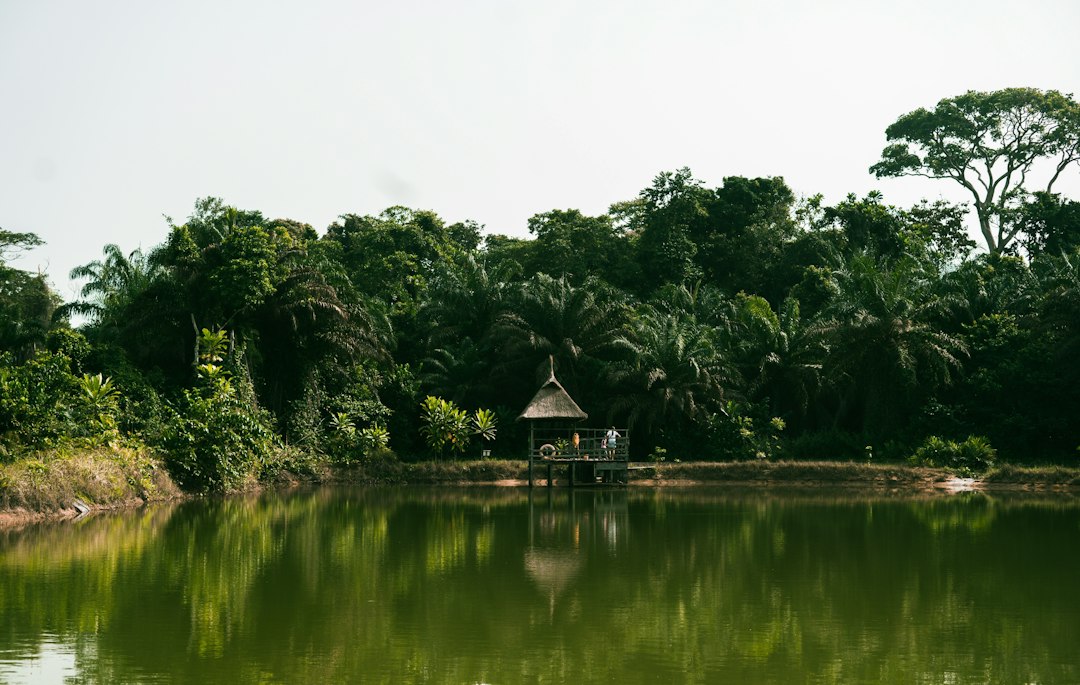
Worship includes offerings, songs, drumming, praise poetry (oríkì) and festivals. Guidance comes through Ifá divination, and sacred groves such as the Osun-Osogbo Sacred Grove are places of pilgrimage. Drums play a central role, as described in our guide to Yoruba music.
Yoruba Religion in the Diaspora
Enslaved Yoruba people carried their faith to the Americas, where it blended with other influences to form Lucumí (Santería) in Cuba and Candomblé in Brazil. Read more in our features on the Museu Afro-Brasileiro in Salvador and Oyotunji African Village. For a general overview, see Wikipedia’s Yoruba religion page.
Yoruba Religion FAQs
Who is the supreme God in Yoruba religion?
Olódùmarè, also called Olórun, is the supreme creator.
What is the difference between Ifá and Yoruba religion?
Ifá is the divination system and body of wisdom within the wider Yoruba religion, which also includes the Orisha and ancestor veneration.
What is àṣẹ?
Àṣẹ is the spiritual power or authority by which things come to pass.
Is Yoruba religion practised outside Africa?
Yes. It is practised in Cuba, Brazil, the Caribbean, the USA and Europe in forms such as Lucumí, Candomblé and Orisha worship.