

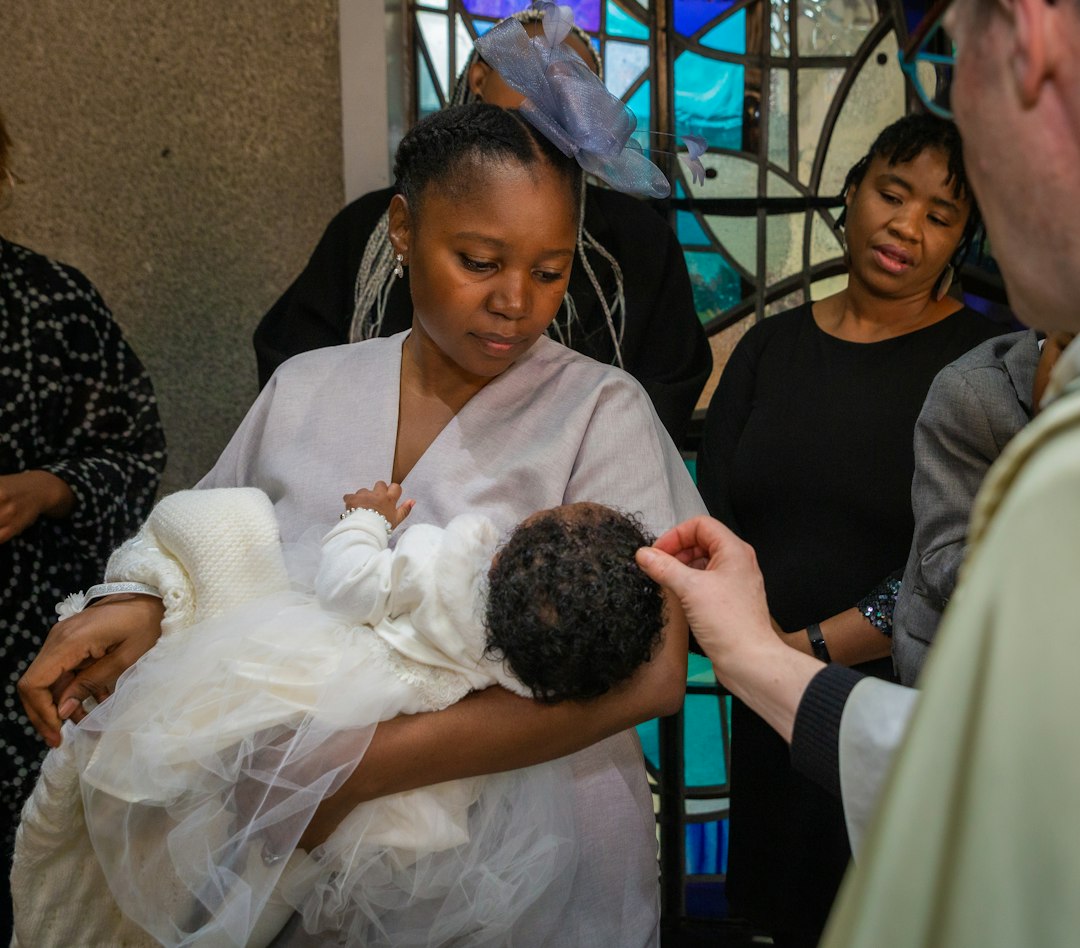
In Yoruba culture a name is far more than a label. The Yoruba naming ceremony, known as Ìsọmọlórúkọ (“the giving of a name to a child”), is a communal celebration where family, elders and friends welcome a newborn and pray for the life ahead. This guide explains when it happens, the symbolic items used and how the ritual works.
When does the Yoruba naming ceremony take place?
Traditionally, girls were named on the seventh day after birth and boys on the eighth. Today many families hold the ceremony on either the seventh or eighth day. The Yoruba say people tend to live out the meaning of their names, so great care goes into the choice.
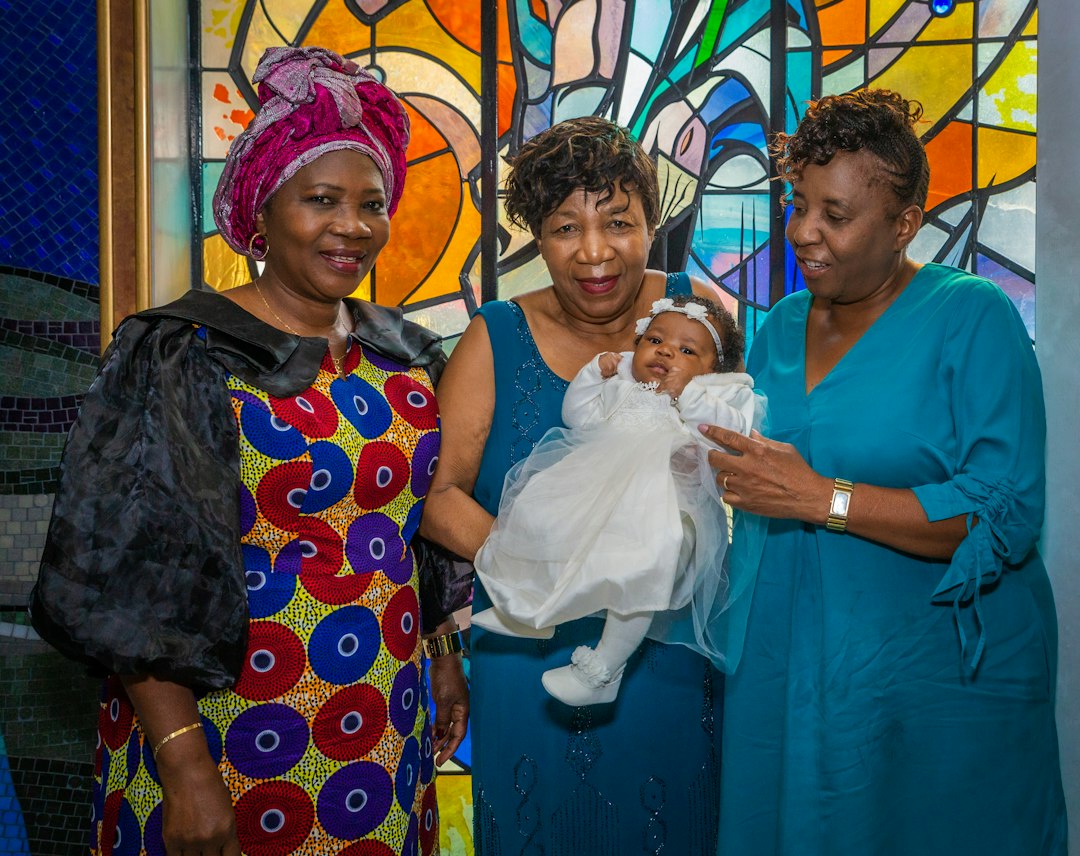
Items used in the Yoruba naming ceremony and their meanings
The eldest family member usually presides. Each item is presented with a prayer for the child.
| Item | Yoruba name | Symbolism |
|---|---|---|
| Water | Omi | Purity; water has no enemies, so may the child have none |
| Honey | Oyin | A sweet and joyful life |
| Salt | Iyọ̀ | A life full of flavour |
| Kola nut | Obì | Health, vitality and long life |
| Bitter kola | Orógbó | Endurance and a long life |
| Fish | Ẹja | Finding one’s way through life’s rough waters |
| Palm oil, alligator pepper and sugar cane | Epo, Ataare, Ìrèké | Smoothness, fruitfulness and sweetness, depending on family tradition |
How the ceremony unfolds
- The family and guests gather, and the elder opens with prayers.
- Each item is shown, tasted or touched, and its meaning is spoken aloud.
- Parents and relatives announce the name or names chosen for the child.
- Elders pray for the child’s health, wealth, wisdom and long life.
- The day ends with food, music, dancing and celebration.
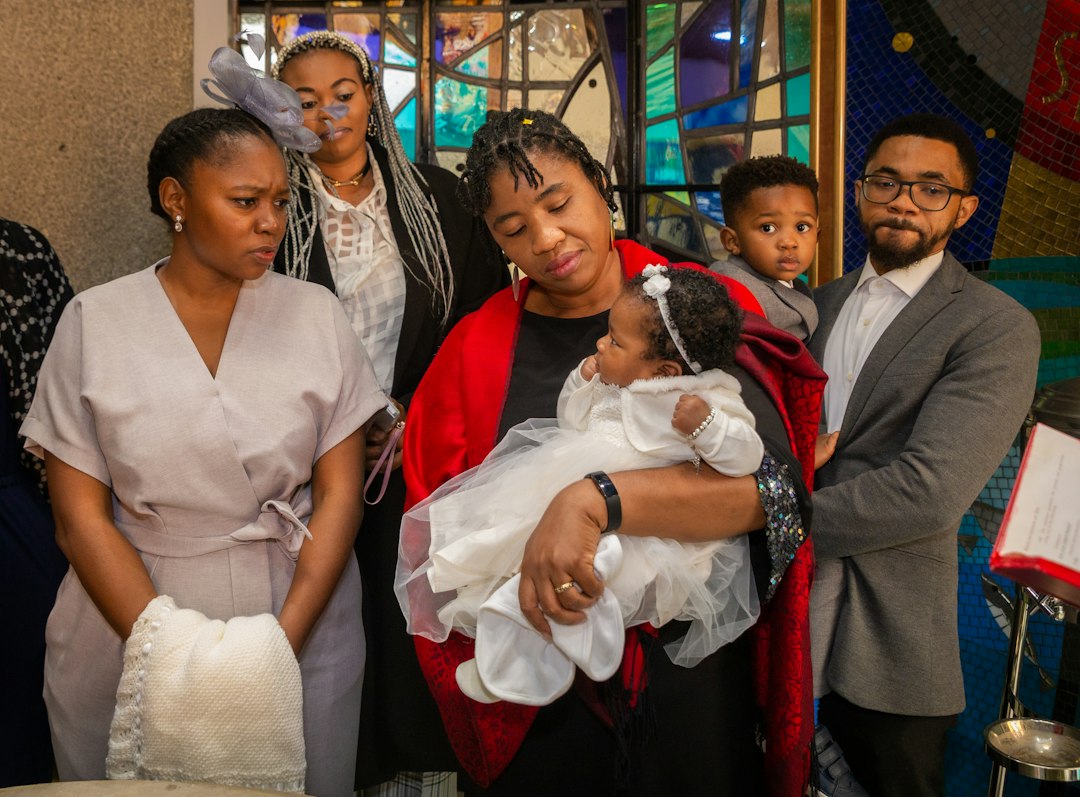
Why Yoruba names tell a story
Many Yoruba names record the circumstances of a birth. Abídèmí hints that the father was away when the child was born, and Òjó is traditionally given to a child born with the umbilical cord around the neck. The proverb Ilé la ń wò kí a tó sọmọ lórúkọ reminds parents to consider the family’s history before choosing a name.
Frequently asked questions
What does Isomoloruko mean?
It means the act of giving a child a name.
Is the ceremony still practised today?
Yes, often with modern touches such as church or mosque services, and even online streaming so relatives abroad can join.
Where can I look up Yoruba name meanings?
Explore the Names & Meaning category on Ilẹ̀ Abínibí for the meaning, morphology and variants of many Yoruba names.
Related reading: Yoruba Traditional Wedding Guide.
Image credits: Ayodele Adeniyi on Unsplash.




One Comment