


Adire is the celebrated indigo-dyed cloth of the Yoruba people of southwestern Nigeria. Its deep blue and white patterns have travelled from the dye pits of Abeokuta to fashion runways worldwide. This guide covers what Adire means, where it comes from, the main techniques, and why the cloth still matters in Yoruba culture.
What does Adire mean?
The word adire comes from the Yoruba words adi (to tie) and re (to dye), so it literally means “tied and dyed.” Today it is used for most resist-dyed indigo cloth made by Yoruba women.
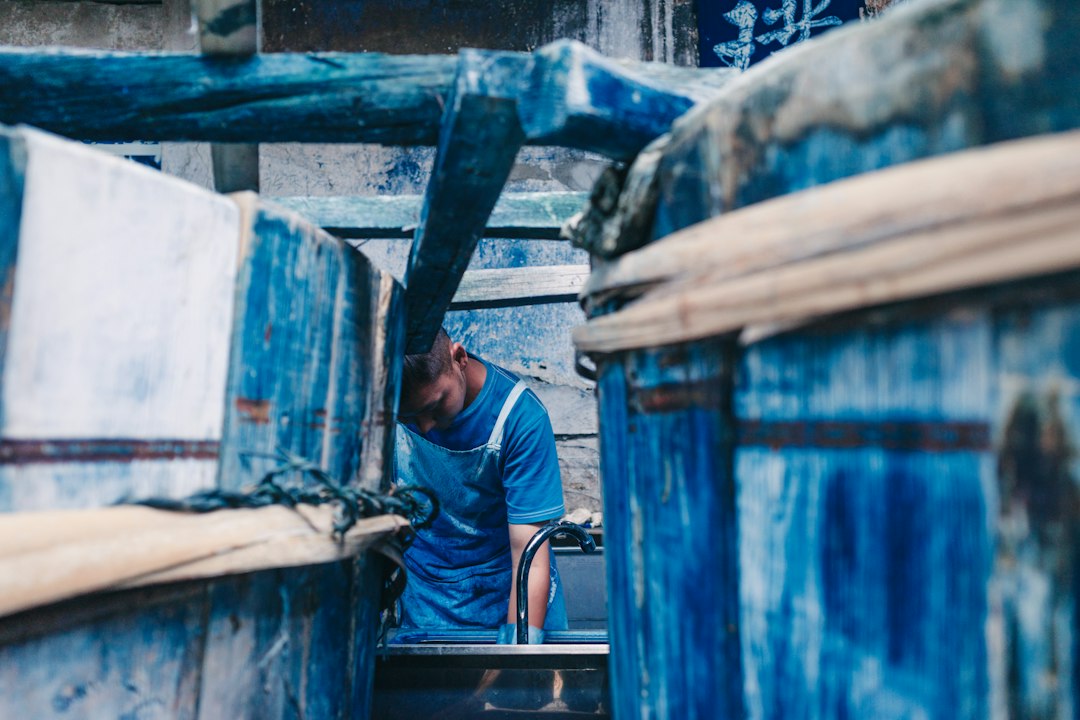
History of Adire in Yorubaland
Indigo dyeing in West Africa goes back centuries. Early Adire was made on hand-woven, locally spun cotton cloth. In the early twentieth century, imported shirting material became widely available through European textile merchants in Abeokuta and other Yoruba towns, which sparked a boom in women’s dyeing businesses. Abeokuta became the best-known centre of production, while Ibadan and Osogbo developed their own communities of dyers and artists, and buyers came from across West Africa.
Types of Adire and how each is made
- Adire Oniko: sections of cloth are tied tightly with raffia or thread before dyeing, so the tied areas resist the dye.
- Adire Alabere: the cloth is stitched with thread or raffia in a pattern before dyeing to create fine-lined motifs.
- Adire Eleko: cassava or maize starch paste is hand-painted onto the cloth as a resist. After dyeing, the paste is washed away and the pattern remains white or pale blue.
- Adire Eleso: seeds or small stones are bound into the cloth to make a series of small circles.
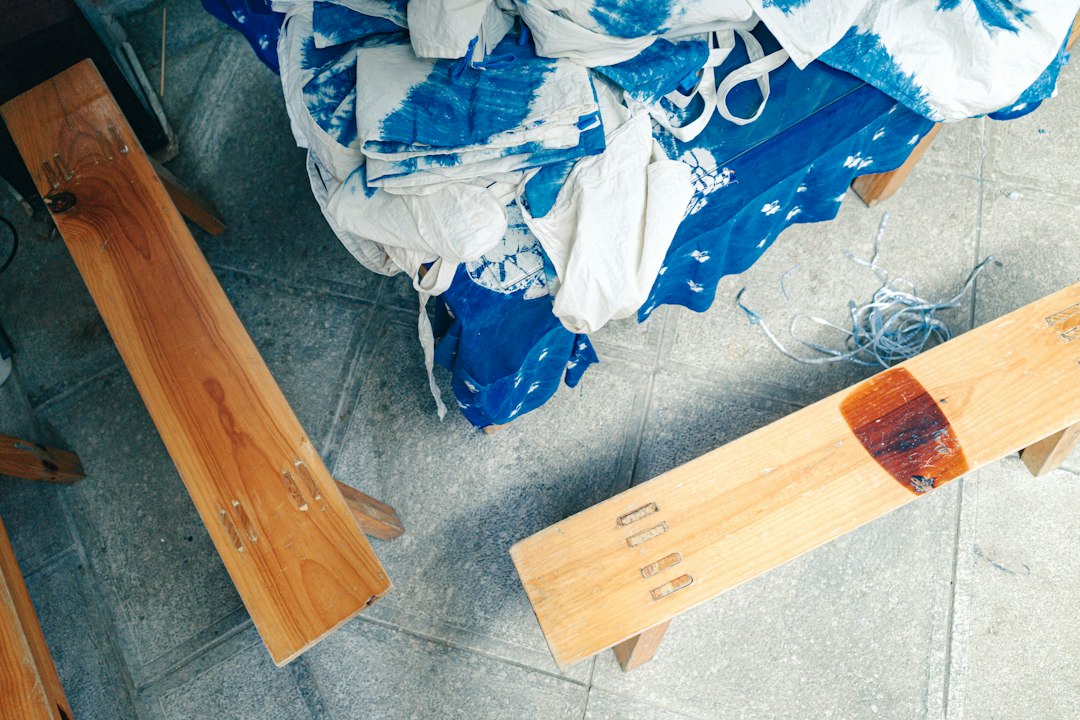
Meaning and symbolism of Adire patterns
Adire motifs often represent plants, animals, tools and ideas, and each named pattern carries a meaning. Some patterns work like non-verbal messages that express proverbs or social themes. Adire was traditionally worn at important events such as naming ceremonies and weddings.
Adire today
Hand-dyed oniko and eleko cloth is still made by dyers in Abeokuta and Ibadan and by artisans at the Nike Center for Art and Culture in Osogbo. Many modern designers have adapted Adire patterns for printed cloth in a range of colours beyond indigo, and the cloth now appears in contemporary fashion and home decor.
Frequently asked questions
Where does Adire come from?
Adire comes from southwestern Nigeria and is most closely associated with Abeokuta, with important workshops in Ibadan and Osogbo.
Is Adire the same as batik?
No. Both are resist-dyeing traditions, but Adire is traditionally indigo-based and uses patterns rooted in Yoruba culture.
Who makes Adire?
It has traditionally been made by Yoruba women, who passed the craft from generation to generation.
Related reading: Yoruba Traditional Wedding Guide and Yoruba Naming Ceremony.
Image credits: C Cai on Unsplash. Images are illustrative stock photos of indigo-dyed cloth.





One Comment