

The history of Lagos stretches from a small Yoruba island settlement to one of Africa’s largest cities. Known to the Yoruba as Eko, Lagos has been a centre of trade, politics and culture for centuries. This guide traces its story in plain steps.
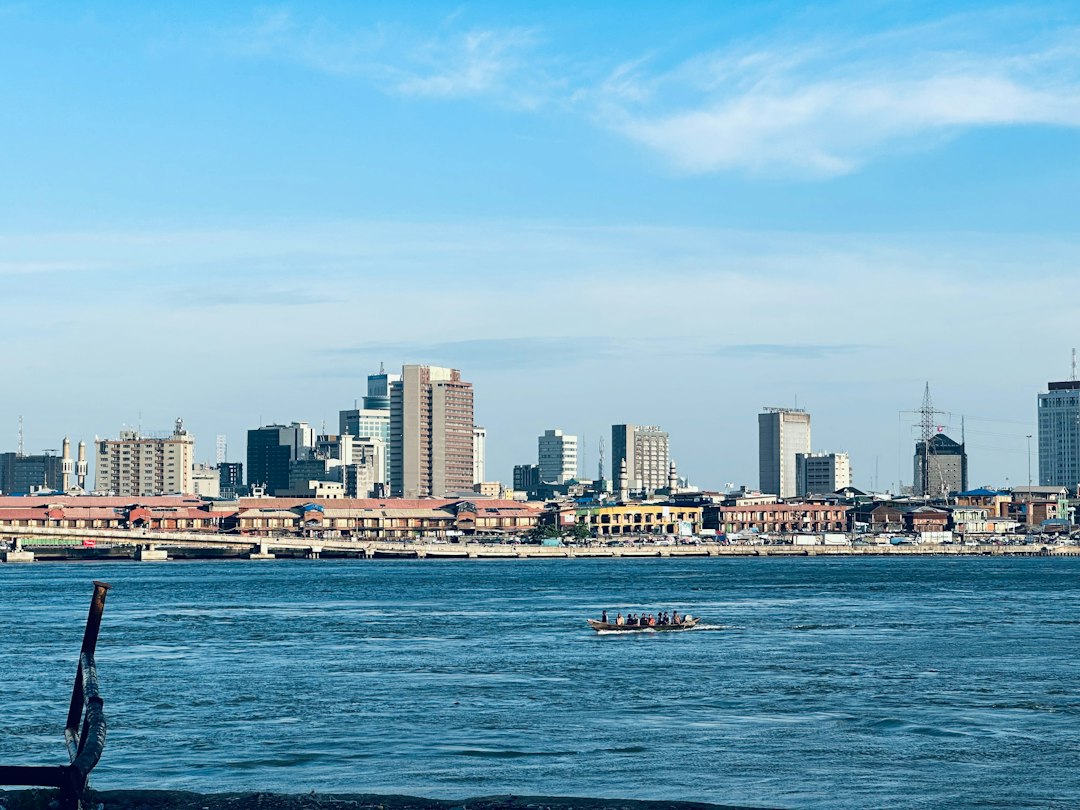
Early Settlement: Eko
The islands and lagoon shores of Lagos were settled by Awori Yoruba communities and others. The name Eko is used in Yoruba, while “Lagos”, meaning lakes, was the name used by the Portuguese. See the wider Yoruba picture in Yoruba subgroups.
Benin Influence and the Obas of Lagos
From around the seventeenth century, Lagos developed ties with the Kingdom of Benin, and its royal line traces links to Benin princes. The Oba of Lagos became the centre of a flourishing port city. Learn about other rulers in Yoruba kings and Obas.
The Slave Trade and British Annexation
Lagos became a major port in the Atlantic slave trade, and the British took action against it in the mid-nineteenth century. In 1861, Oba Dosunmu signed a treaty ceding Lagos to Britain, and it became a colony in 1862. The trade, wars and migration that followed are explained in the Yoruba wars guide. Many freed Africans and returnees from Brazil also settled in the city; see Museu Afro-Brasileiro for the Brazil link.

Capital and Nationalism
Lagos served as the capital of colonial Nigeria and of independent Nigeria until the capital moved to Abuja in 1991. It was a centre of early nationalism, with leaders such as Herbert Macaulay, whom you can meet in famous Yoruba people.
Lagos Today
Today Lagos is a megacity and Nigeria’s commercial hub, with museums such as the John Randle Centre, the Yemisi Shyllon Museum and the Eyo Festival showing its heritage. For further reading, see Wikipedia’s History of Lagos page.
History of Lagos FAQs
What is the Yoruba name for Lagos?
Lagos is called Eko in Yoruba.
When did Britain take Lagos?
Lagos was ceded to Britain in 1861 and became a colony in 1862.
When did Lagos stop being the capital of Nigeria?
The capital moved to Abuja in 1991.


One Comment