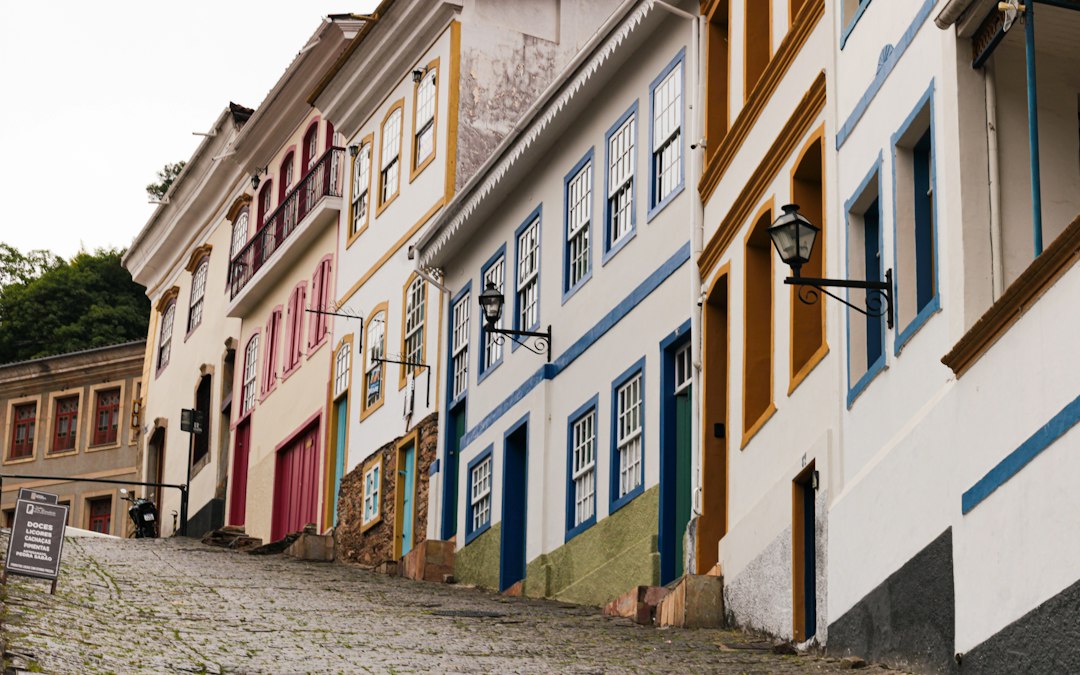
Salvador in Bahia is often called the most African city outside Africa, and the Museu Afro-Brasileiro (MAFRO) is the best place to see why. In the heart of the historic Pelourinho district, it displays African and Afro-Brazilian art and a room of towering carved panels honouring the orixás, deities that trace back to Yoruba tradition. For Yoruba travellers in the diaspora, it is a powerful stop.
Quick facts
| Name | Museu Afro-Brasileiro (MAFRO), Federal University of Bahia (UFBA) |
| Location | Largo Terreiro de Jesus, Pelourinho, Salvador, Bahia, Brazil |
| Opened | 1982, in the building of Brazil’s first medical school |
| Collection | More than 1,800 items, including African and Afro-Brazilian objects |
The artifacts: orixás in cedar
The museum’s star attraction is the Mural dos Orixás by Carybé, the Argentine-born artist who settled in Salvador. Completed in 1968, it consists of 27 cedar panels, each about three metres tall, depicting the orixás of Bahian Candomblé and decorated with inlays of materials such as gold, silver and conch shell.
Beyond the panels, the collection includes photographs, ornaments, masks, musical instruments and everyday objects. The African collection was assembled by photographer and anthropologist Pierre Verger and includes objects from Senegal, Nigeria, Benin, Ghana and Angola. Some pieces were loaned from the Museu Antropologico Estacio de Lima and were taken from Candomblé terreiros by police during the 1920s crackdown on Afro-Brazilian religious ceremonies.
The Yoruba connection
Between the 16th and 19th centuries about five million Africans were brought to Brazil, among them Yoruba people from Nigeria and the Gulf of Guinea. Their religious tradition survived in Bahia as Candomblé, and the orixás of the Yoruba pantheon, such as Ogun, Oshun, Shango and Yemoja, are central to it. See our guide to the Yoruba gods and goddesses to recognise them in Carybé’s panels.
Why it is a great tourist attraction
- Unforgettable art: the orixá room is regularly named the highlight of the museum.
- A historic setting: the museum shares a building with the Museu de Arqueologia e Etnologia, and one ticket covers both.
- In the middle of Pelourinho: a UNESCO-listed historic centre of colourful colonial buildings and churches, so it is easy to add to a walking tour.
- A diaspora story: it shows how African cultures, including Yoruba traditions, shaped Brazil.
Video references
Preview your visit with Museu Afro-Brasileiro videos on YouTube or videos about Carybe’s Mural dos Orixas.
Visitor tips
Tourism sources list opening hours of Monday to Friday, 9am to 5pm, but these can change, so confirm before you go. Exhibit labels are mainly in Portuguese, although translation booklets are available at the front desk.
Frequently asked questions
Where is the Museu Afro-Brasileiro?
At Largo Terreiro de Jesus in Pelourinho, the historic centre of Salvador, Bahia.
Who made the orixa panels?
Carybe (Hector Julio Paride Bernabo), who completed the 27 cedar panels in 1968.
Explore more: Oyotunji African Village and Osun-Osogbo Sacred Grove.
Sources: Salvador da Bahia tourism office, Contemporary And, Lonely Planet and Michelin Guide. Images are illustrative stock photos by Samuell Morgenstern and Christian von Koenig on Unsplash.