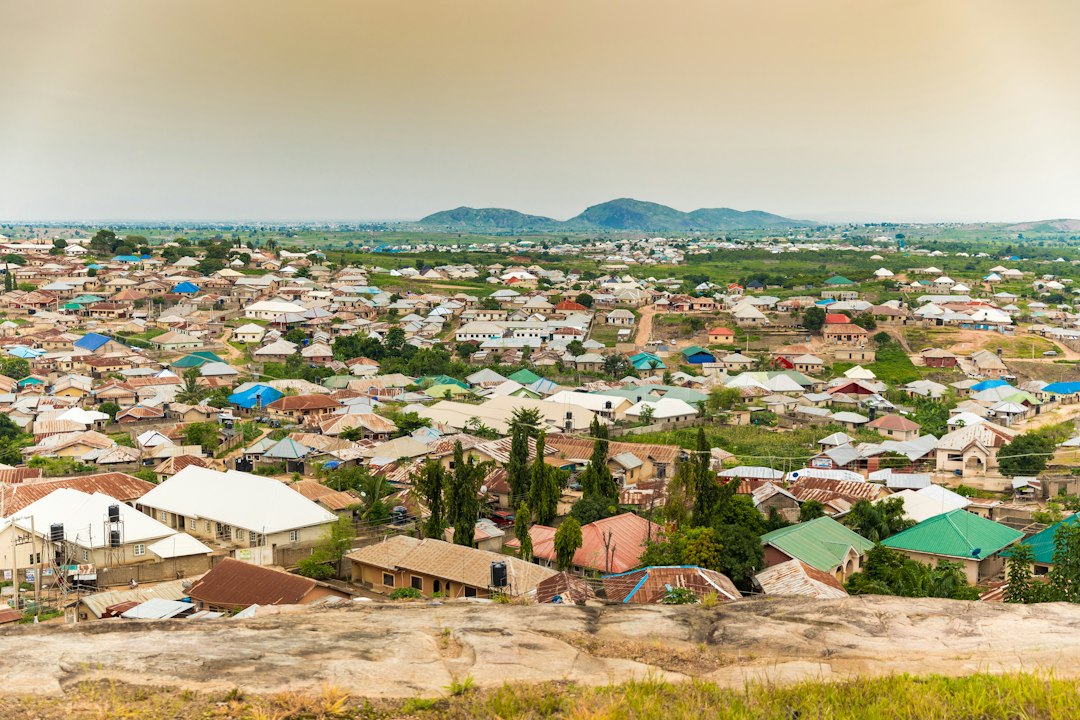
Ibadan is one of the largest cities in West Africa and the capital of Oyo State. Its story begins with a small settlement and grows through the wars that reshaped Yorubaland to the modern city of universities, markets and landmarks. This guide covers its history, rulers and main sights.
The Name and Origins
The name Ìbàdàn is usually explained as “by the edge of the grassland”, from ẹ̀bá ọ̀dàn, describing its location between the forest and the savanna. Oral tradition links an early settlement to Lagelu, a prince associated with Ile-Ife, which ties the city to the story in the origin of the Yoruba.
The 1829 War Camp and Military Rise
After the collapse of Old Oyo and the destruction of Owu, warriors and refugees gathered at Ibadan around 1829. The camp grew into a powerful military city-state that took a leading role in the conflicts of the century, including the Ijaye and Kiriji wars; read the Yoruba wars, the Oyo Empire and the Egba and Abeokuta for the wider picture.

The Olubadan and Traditional Rule
The traditional ruler of Ibadan is the Olubadan. Unlike many Yoruba kings, the title is filled through a system based on seniority among chiefs. See how it compares with other thrones in Yoruba kings and Obas.
Colonial and Modern Ibadan
Under British rule Ibadan became a major administrative and commercial centre and the capital of the Western Region. Leaders such as Obafemi Awolowo shaped its politics and education, and the region launched an early television station in the late 1950s.
Landmarks and Places to Visit
- University of Ibadan: Nigeria’s first university, founded in 1948.
- Bower’s Tower: a lookout tower on a hill, built in the 1930s.
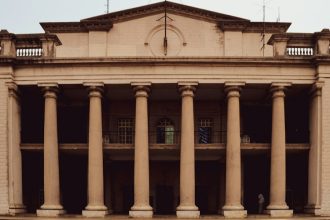
- Mapo Hall: a colonial-era city hall with views over the city.
- Cocoa House: a landmark office tower from the 1960s, once among the tallest buildings in Africa.
More travel ideas are in best places to visit in Yorubaland, and you can find the city’s place in the region in Yoruba states and their capitals.
Learn More
For a broader summary, see Wikipedia’s Ibadan page.
Ibadan FAQs
When was Ibadan founded?
Oral tradition points to an earlier settlement, and the city grew rapidly as a war camp around 1829.
Who is the ruler of Ibadan?
The Olubadan of Ibadan is the traditional ruler.
What is Nigeria’s first university?
The University of Ibadan, founded in 1948, is widely regarded as Nigeria’s first university.