

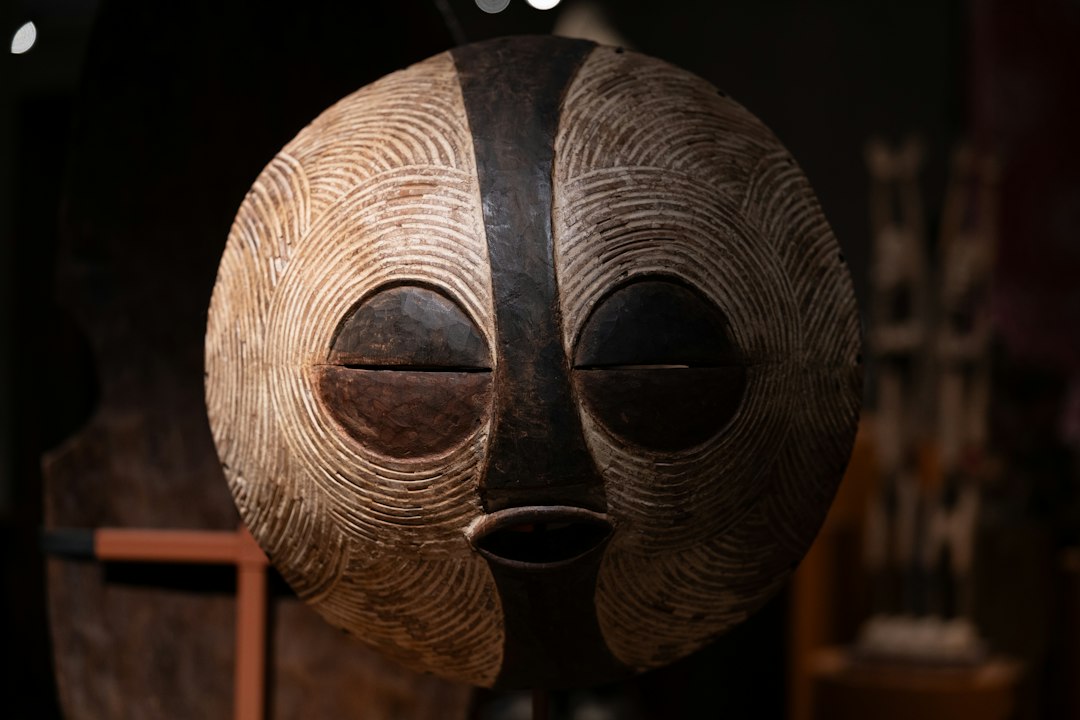
Where do the Yoruba come from? It is one of the most searched questions about Yoruba history, and the answer blends sacred story, archaeology and centuries of kingdoms. This guide explains the origin of the Yoruba, the role of Oduduwa and Ile-Ife, and how Yoruba culture spread across Nigeria, West Africa and the world.
The Yoruba creation story
In Yoruba tradition, the world began in Ile-Ife. The supreme being, Olodumare, sent the orisha Obatala to create solid land from the primordial waters. In a widely told version, Obatala became drunk on palm wine and was unable to finish, so Oduduwa completed the task. Oduduwa is then remembered as the first king (Ooni) of Ile-Ife and the ancestor of many Yoruba royal houses. You can meet these figures in our guide to the Yoruba gods and goddesses.
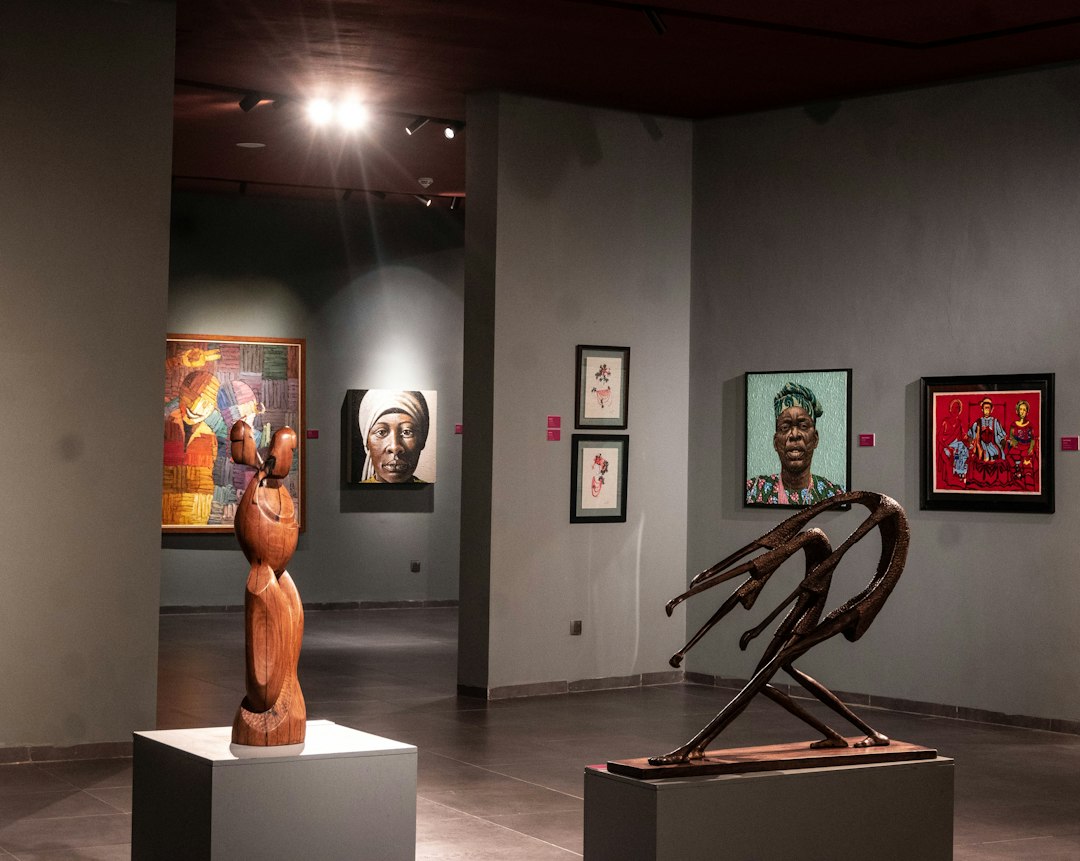
Ile-Ife: the cradle of Yoruba civilisation
Ile-Ife in present-day Osun State is regarded as the spiritual home of the Yoruba. Archaeology supports its importance: by the late 12th or early 13th century, Ife artisans were producing naturalistic terracotta heads and cast metal sculptures that rank among the finest in African art. See them in our guide to the Ife Museum and the Ife bronze heads. Every year the city hosts the Olojo Festival, one of the most important Yoruba festivals.
How the Yoruba kingdoms spread
- Traditional accounts say Oduduwa’s descendants went out from Ife to found other kingdoms and to rule as obas, which is why many Yoruba rulers trace their lineage to Ife.
- Oyo became the most powerful Yoruba state, and the Alaafin of Oyo remains one of the most senior Yoruba traditional rulers. Read the Alaafin’s recent message in this report on the Yoruba diaspora.
- Many city-states, such as Ijebu, Egba, Ekiti and Ondo, each developed their own dialects, customs and crowns, forming the diverse Yoruba world we know today.
Are there other theories of Yoruba origin?
Yes. Some historians have proposed migration from the east, while others stress that the Yoruba developed locally over centuries from older communities in the region. Oral tradition, archaeology and linguistics all contribute, and scholars continue to debate the details. What most agree on is that Ile-Ife held a central place in Yoruba identity.
The Yoruba today
The Yoruba live mainly in southwestern Nigeria and in parts of Benin and Togo, and their culture travelled to the Americas, where traditions such as Candomble in Brazil and Santeria in Cuba carry Yoruba heritage. Learn more through our guides to Yoruba orixas in Brazil and Oyotunji African Village.
Frequently asked questions
Who is Oduduwa?
Oduduwa is the legendary ancestor and first king of Ile-Ife, regarded as the progenitor of many Yoruba royal dynasties.
Why is Ile-Ife important to the Yoruba?
It is considered the place where the world and the Yoruba people began, and its ancient art and sacred sites make it the spiritual capital of Yorubaland.
Sources: Encyclopaedia Britannica, the British Museum and National Geographic on Ife art and history. Images are illustrative stock photos by Unsplash photographers.



One Comment