Clay has a special place in Yoruba art and belief. From the lifelike terracotta heads of Ile-Ife to the humble cooking pots used in homes, Yoruba pottery shows skill, practicality and spirituality. This guide explains the main kinds of clay art, how pots are used and why clay matters in Yoruba culture. Practices vary by town and family, so treat this as a general introduction.
Ife Terracotta: Ancient Royal Portraits
Ile-Ife is famed for terracotta and bronze heads made hundreds of years ago, among the most naturalistic sculptures in African art. You can see such works at the Ife National Museum, and read the city’s history in Ile-Ife: cradle of the Yoruba.
Everyday Pottery
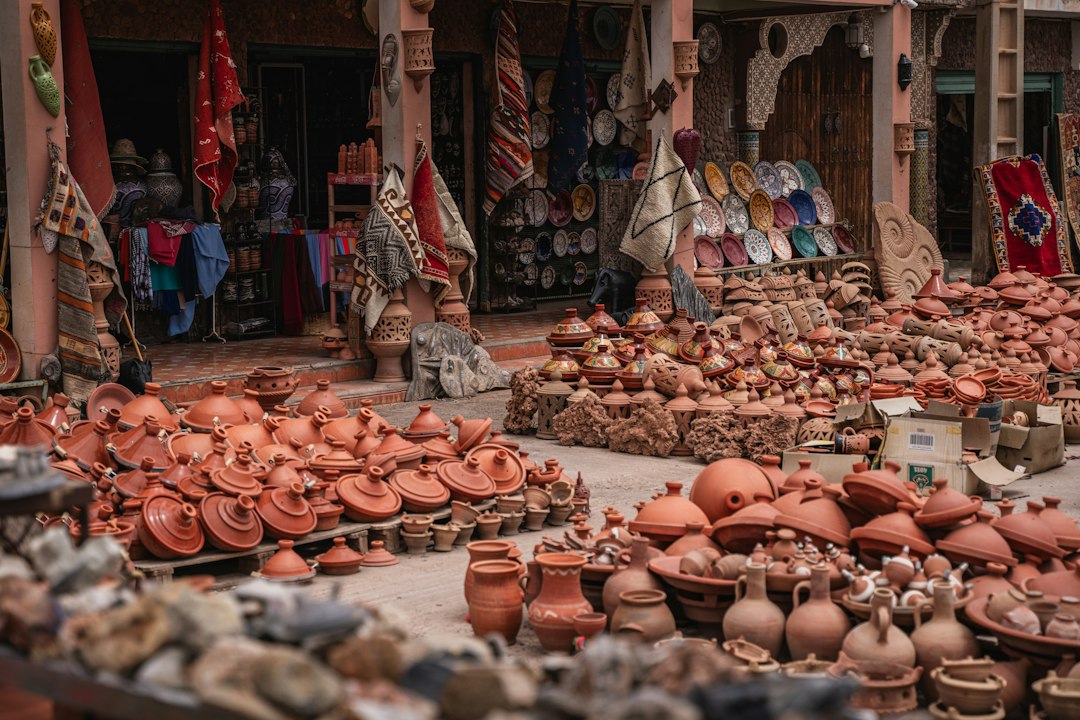
- Cooking pots (ìkòkò): used for soups, stews and boiling water; see dishes in Yoruba recipes.
- Water pots: clay keeps water cool, so large pots were traditionally used to store drinking water.
- Bowls and lids: for serving and storing food.
Pottery is often a household craft, with skills passed down within families, and towns such as Ikire in Osun State are known for pot making.
Clay and the Sacred
Pots hold offerings and sacred items at many shrines, and clay features in creation stories, such as the account of the orisha who shaped human beings from clay; read Ọbàtálá, orisha of creation and Yoruba religion explained.
How Traditional Pots Are Made
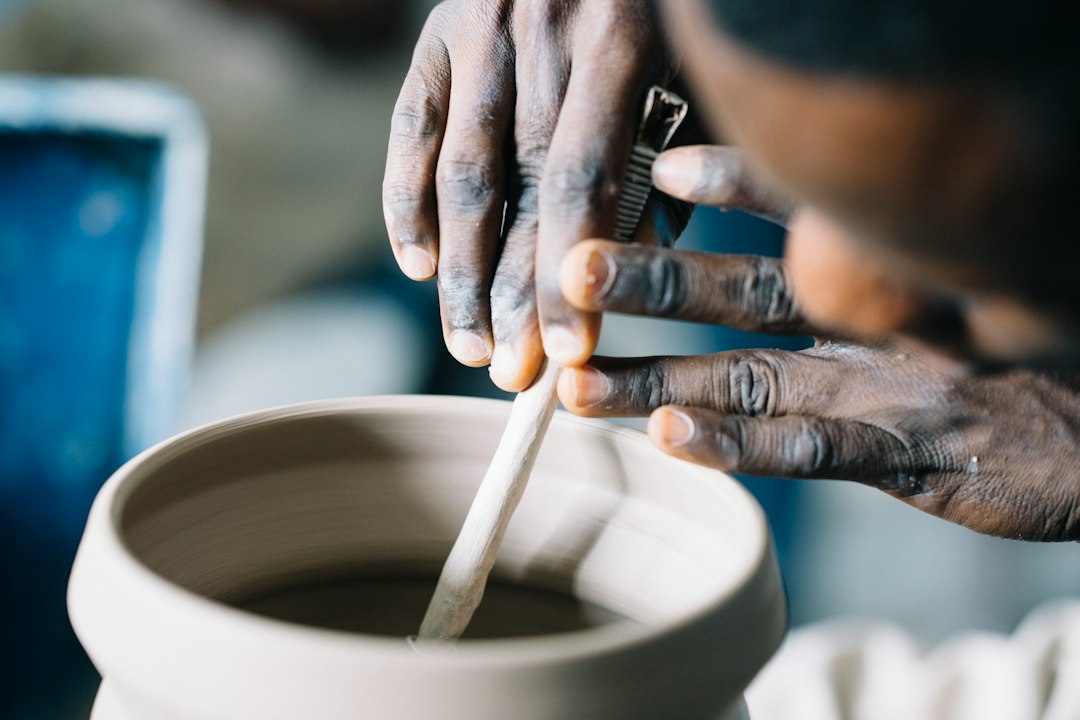
- Clay is dug, cleaned and mixed with water and sometimes grit.
- The potter shapes the vessel by hand, often using coiling or moulding.
- The pot is smoothed and decorated with simple patterns.
- It is dried in the shade and fired in an open fire or a simple kiln.
Pottery in Modern Yoruba Art
Contemporary artists use clay in sculpture and design; see Yoruba artists and the Osogbo art school. For a global view, see Wikipedia’s page on the art of Ife.
Yoruba Pottery FAQs
What is pottery called in Yoruba?
A clay pot is called ìkòkò.
What are the Ife terracotta heads?
They are naturalistic sculptures made in Ile-Ife hundreds of years ago in terracotta and metal.
Why is clay important in Yoruba belief?
Clay appears in creation stories and in the vessels used for offerings and shrines.