

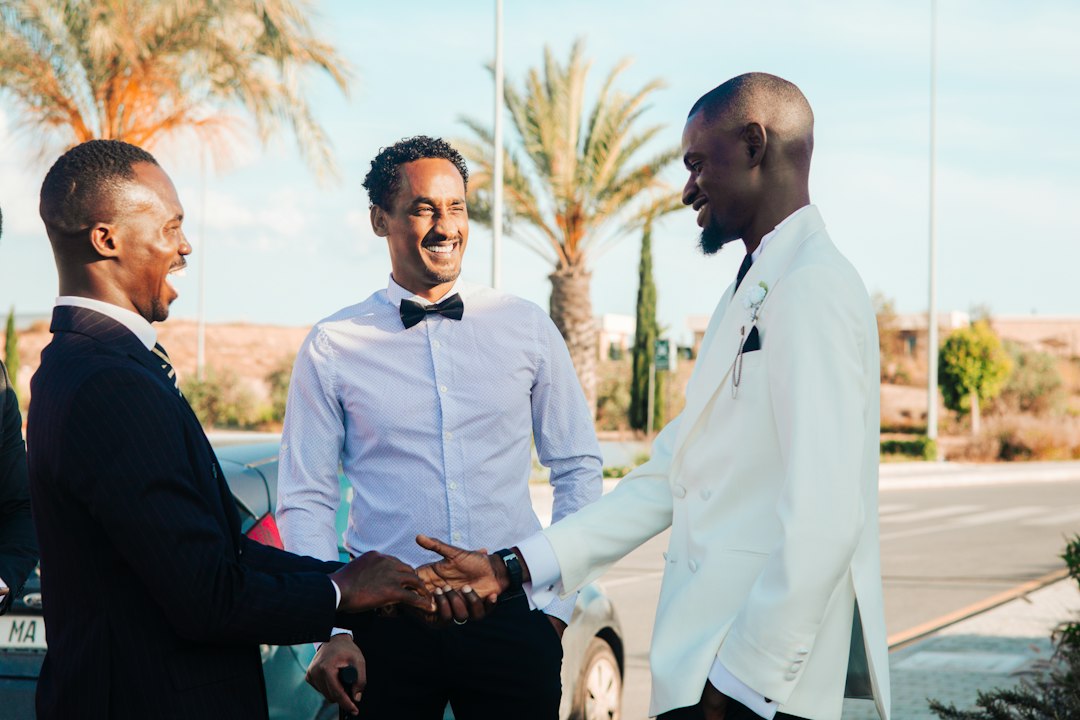
Yoruba greetings are the heartbeat of daily life in Yorubaland, and learning a few of them is the fastest way to earn a warm response from a Yoruba speaker. Greeting is not a formality here. It shows respect, acknowledges the time of day, and often the occasion or the work someone is doing. This guide gives you 20 essential phrases with tone marks, meanings and simple etiquette tips, so you can greet with confidence.
Yoruba Greetings by Time of Day
The most useful Yoruba greetings change with the clock. Each begins with the respectful plural Ẹ, which you use for elders, groups and anyone you want to honour. Among friends your own age you can drop it.
| Yoruba | Meaning | When to use it |
|---|---|---|
| Ẹ káàárọ̀ | Good morning | From waking until around midday |
| Ẹ káàsán | Good afternoon | From midday into the afternoon |
| Ẹ kú ìrọ̀lẹ́ | Good late afternoon / early evening | As the day begins to cool |
| Ẹ káalẹ́ | Good evening | In the evening |
| Ó dàárọ̀ | Good night (until morning) | When parting at night |
A University of Texas course, Yorùbá Yé Mi, explains that these greetings are built on kú plus the time of day, for example kú plus àárọ̀ gives káàárọ̀. Spotting that pattern makes the whole set easier to remember.
How to Say How Are You, Thank You and Welcome
| Yoruba | Meaning |
|---|---|
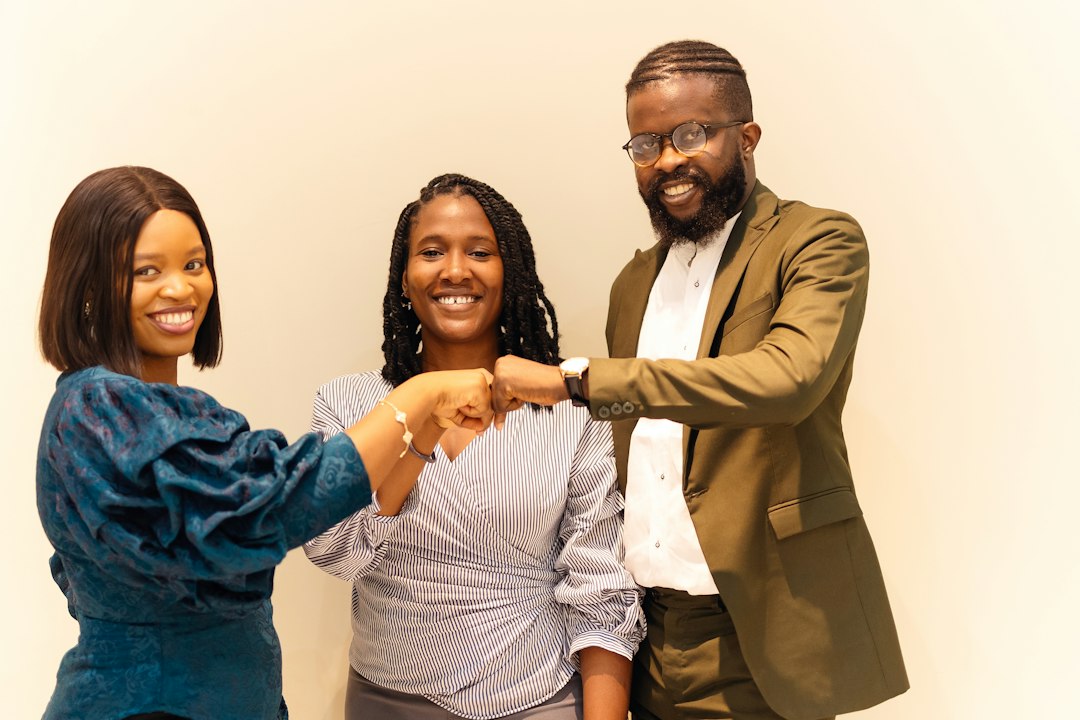
| Báwo ni? | How are you? / How are things? |
| Ṣé àlàáfíà ni? | Are you well? (literally, is it peace?) |
| Àlàáfíà ni | I am well / It is peace |
| Mo wà dáadáa | I am fine |
| Ẹ ṣé | Thank you |
| Ẹ ṣé gan-an | Thank you very much |
| Ẹ káàbọ̀ | Welcome |
| Ó dàbọ̀ | Goodbye |
| Ó dìgbà | See you later |
These everyday phrases match the collection on Omniglot, which lists several ways to ask how someone is and to welcome a visitor. When someone greets you, you can simply repeat the greeting and add o, or say Ẹ ṣé.
Yoruba Greetings for Special Occasions
| Yoruba | Meaning |
|---|---|
| Ẹ kú ayọ̀ ọjọ́ ìbí | Happy birthday |
| A kú ọdún tuntun o | Happy New Year |
| Ẹ kú ayọ̀ Kérésìmesì àti ọdún tuntun | Merry Christmas and a happy New Year |
| Ẹ kú ayọ̀ àjínde | Happy Easter |
| Ẹ kú iṣẹ́ | Well done (to someone at work) |
| Ẹ kú oríire | Congratulations |
| Ẹ pẹ̀lẹ́ o | Sorry / take it easy (sympathy) |
Omniglot also notes that, in the Yoruba calendar, the new year starts on 3 June. For more occasion phrases, see our guide to saying I love you, happy birthday and good night in Yoruba.
Yoruba Greetings Etiquette: Respect Comes First
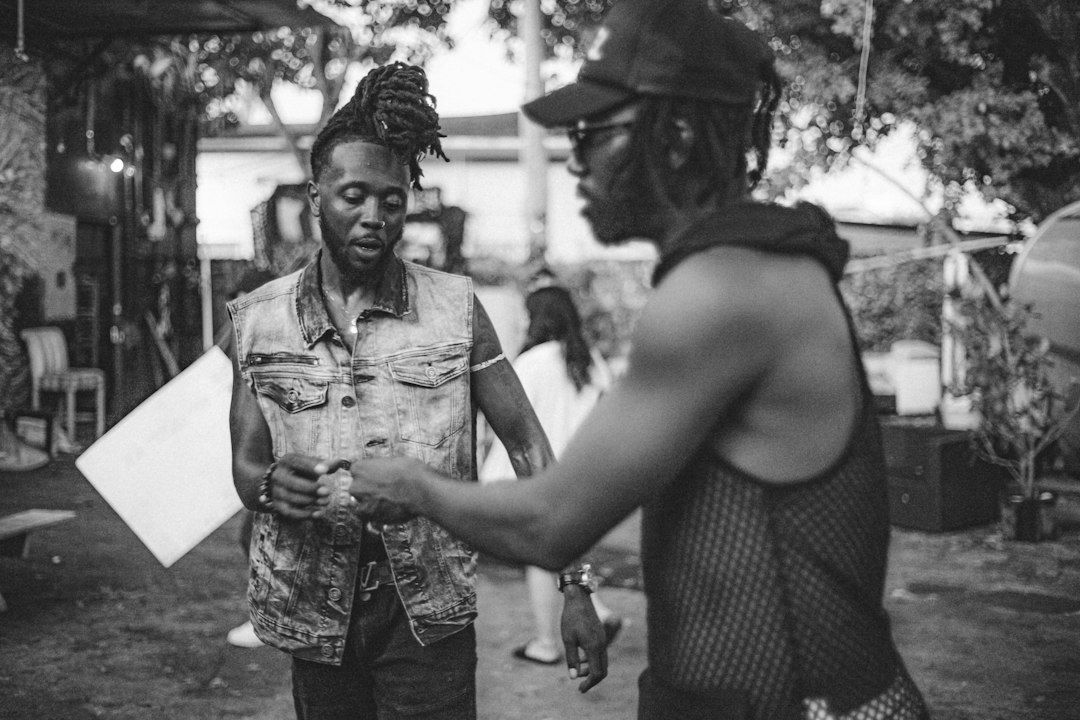
Good manners matter as much as the words. The younger person greets first, and traditionally men prostrate (dọ̀bálẹ̀) while women kneel (ìkúnlẹ̀) when greeting elders. You can read the full picture in our guide to greeting elders in Yoruba culture.
- Greet before you ask for anything or start a conversation.
- Use the plural Ẹ for elders, even when speaking to one person.
- Add o to a greeting to make it warmer and more emphatic.
- Mind the tone marks. Yoruba is a tonal language, so the same letters can change meaning. Our Yoruba alphabet and tone marks guide helps with pronunciation.
Practise Yoruba Greetings Every Day
Start with just three phrases: Ẹ káàárọ̀, Ẹ káàsán and Ẹ ṣé. Use them for a week, then add the evening greeting and the occasion phrases. If you want a structured path, follow our 30-day Yoruba study plan or browse 60 common Yoruba words. Once you can greet, you may want to learn the words for family members in Yoruba, since Yoruba greetings often address relatives and elders directly.
Yoruba Greetings: Frequently Asked Questions
How do you say good morning in Yoruba?
Say Ẹ káàárọ̀ to elders and groups, or Káàárọ̀ to a friend.
Is there one Yoruba word for hello?
Not exactly. Yoruba greetings depend on the time of day and the occasion, so speakers choose a morning, afternoon or evening greeting, or ask Báwo ni? to check how you are.
How do you say thank you in Yoruba?
Say Ẹ ṣé, and Ẹ ṣé gan-an for thank you very much.
Sources and Photo Credits
- Omniglot: Useful Yoruba phrases
- COERLL, University of Texas at Austin: Yorùbá Yé Mi, Chapter 1 (Greetings)
Regional spellings and tone-mark conventions vary, so you may see small differences between sources. Stock photos from Unsplash: Amari Shutters (featured image), Ninthgrid and Frankie Cordoba.




3 Comments