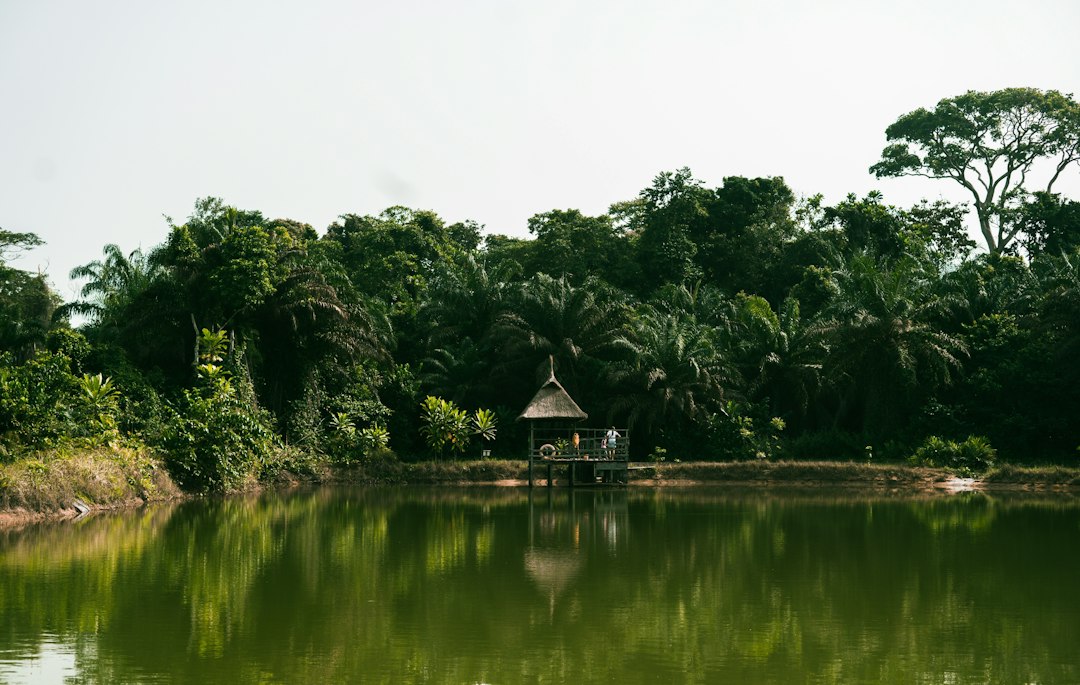
Hidden in the forest on the edge of Osogbo is one of the most extraordinary open-air art spaces in the world. The Osun-Osogbo Sacred Grove is a UNESCO World Heritage Site where shrines, sculptures and a winding river come together in honour of Osun, the Yoruba goddess of fertility and the river. Part sacred forest, part open-air museum, it is a top experience for anyone exploring Yoruba culture.
Quick facts
| Name | Osun-Osogbo Sacred Grove |
| Location | Osogbo, Osun State, Nigeria, on the banks of the Osun River on the outskirts of the town |
| Size | About 75 hectares of forest |
| Status | UNESCO World Heritage Site since 2005 |
The artworks and shrines you will find
UNESCO describes the grove as a sanctuary of shrines, sculptures and artworks honouring Osun and other Yoruba deities. It contains about forty shrines and five main sacred divisions, with worship points along the river. Many of the sculptures and shrines were created from the late 1950s by the Austrian-born artist and priestess Susanne Wenger and local artists of the New Sacred Art movement, who worked in iron, cement and mud. Their work helped save the grove from neglect and decline, and it was made a national monument in 1965.
Why it is a great tourist attraction
- UNESCO-listed heritage: the grove is the last significant remnant of the sacred groves that once stood near every Yoruba settlement, making it a key reference point for Yoruba identity worldwide.
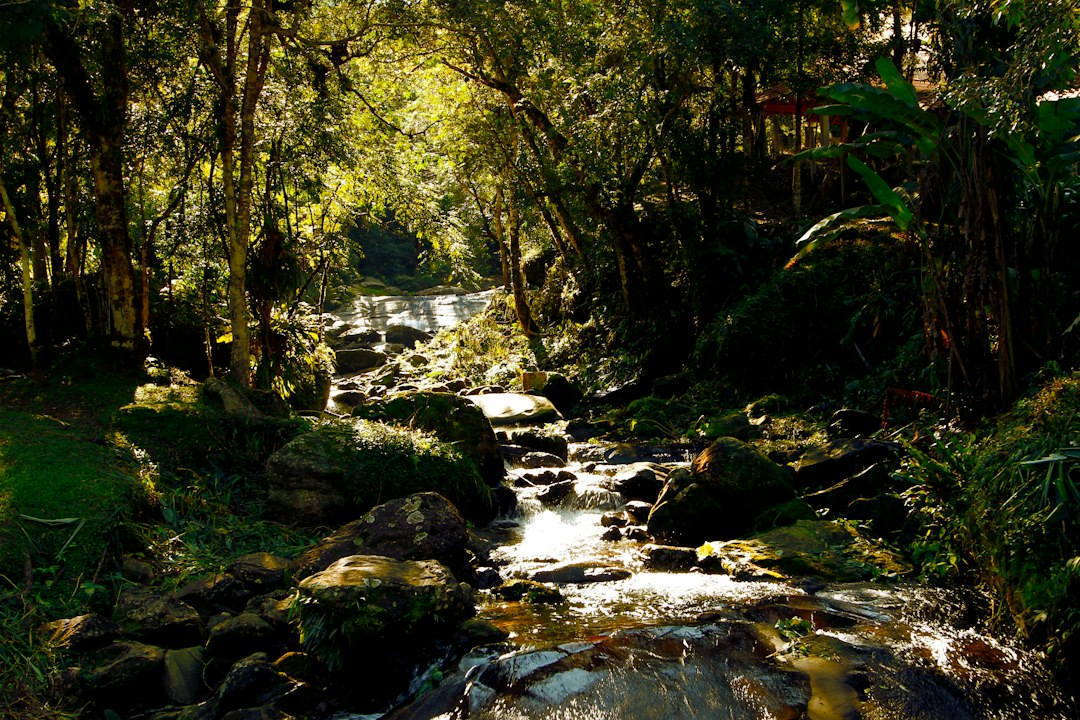
- Art in a forest: sculptures and shrines appear among the trees as you walk along the river.
- A living tradition: devotees still bring offerings, and the river is believed to have healing, protective and fertility powers.
- Nature and peace: fishing, farming and hunting are forbidden inside the grove, so the forest is rich and quiet.
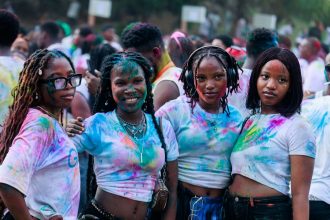
- The Osun-Osogbo Festival: the annual festival, which usually takes place in late July or early August, draws thousands of devotees, visitors and members of the Yoruba diaspora.
Pair it with Susanne Wenger’s House
Many visitors also tour Susanne Wenger’s three-storey home at 41A Ibokun Road, Osogbo, where she lived for decades. It makes an ideal companion visit, as it shows the creative world behind the grove’s sculptures.
Video references
See the grove before you go with Osun-Osogbo Sacred Grove tour videos on YouTube and Osun-Osogbo Festival videos.
Visitor tips
- Dress modestly and respect all shrines and rituals.
- Photography can be restricted, especially during river cleansing rituals, so ask your guide first.
- Fees for entry and cameras have been reported, and they can change, so confirm on arrival.
- Hire a local guide to understand the meaning of each shrine and sculpture.
Frequently asked questions
When did the grove become a World Heritage Site?
UNESCO inscribed it in 2005.
Who is Osun?
Osun is the Yoruba goddess of rivers, love, fertility and prosperity. Read more in our guide to the Yoruba gods and goddesses.
Explore more: Nike Art Gallery and Museu Afro-Brasileiro in Salvador.
Sources: UNESCO World Heritage Centre, World Monuments Fund, Atlas Obscura, Guardian Nigeria and The Nigerian Field. Images are illustrative stock photos by Dam Dam and other Unsplash photographers.