

Who are the Yoruba gods and goddesses? In Yoruba tradition they are called Orisha (Òrìṣà), spiritual forces and divinities connected to nature, human life and destiny. The Ifá corpus is often said to speak of 401 orisa, though no one could ever memorise them all. This guide introduces the most well-known ones and what each represents.
Who is Olodumare, the supreme being?
Olodumare, also called Olorun, is the supreme creator in Yoruba belief. Rather than being worshipped in the same way as the orisha, Olodumare is the source of ase, the divine energy that flows through everything. The orisha act as emissaries between Olodumare and humanity.
The most popular Orisha and their powers
Obatala: orisha of purity and creation
Obatala (Orisanla) is linked with wisdom, purity, peace and justice, and is usually associated with white cloth. In one well-known creation story, he was sent to create the earth but became drunk on palm wine, so Oduduwa completed the task.
Eshu (Esu): the divine messenger and trickster
Eshu carries messages and sacrifices between humans and the other orisha. He is the lord of crossroads, chance and unpredictability, and is among the most recognisable of all the orisha. He is often misunderstood as a devil, which is not how Yoruba tradition describes him.
Ogun: orisha of iron and war
Ogun presides over iron, metalwork, war and labour. Blacksmiths, hunters, warriors and, today, drivers and mechanics honour him. A popular saying is that Eshu opens the road and Ogun clears it.
Shango: orisha of thunder and justice
Shango (Sango) is the thunder and lightning orisha, symbolised by a double-headed axe. He stands for leadership, justice and authority, and traditions describe him as a king of Oyo who became deified.
Oshun (Osun): orisha of rivers, love and prosperity
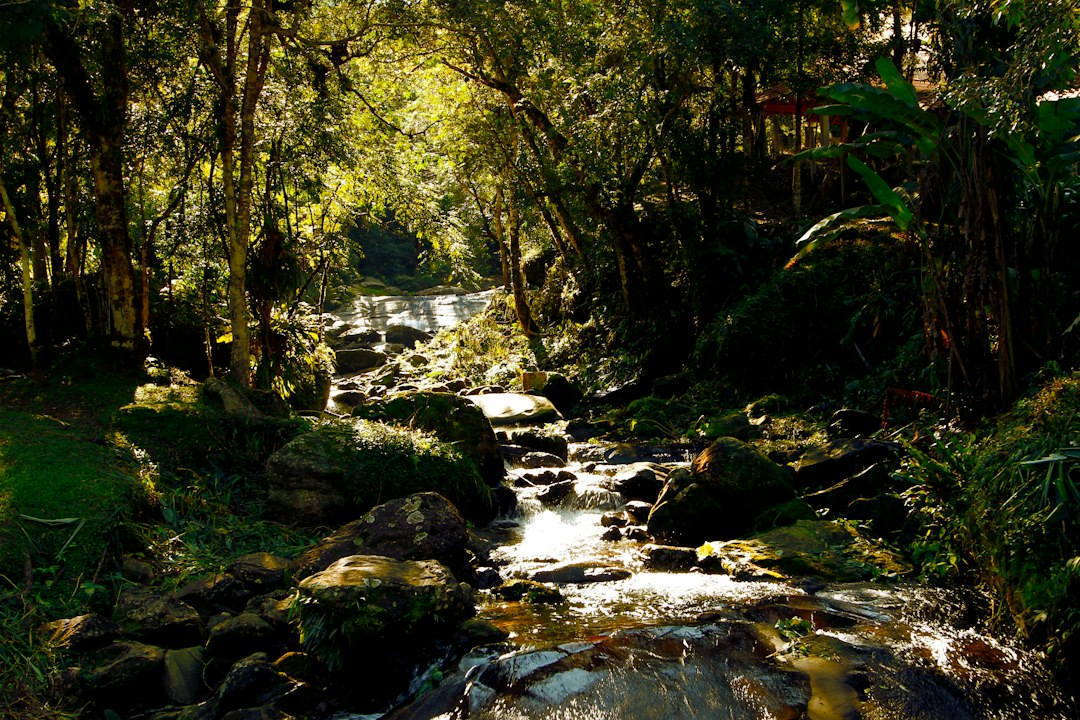
Oshun is the goddess of rivers, love, fertility and prosperity, and she is one of Shango’s wives. Her annual festival in Osogbo, the Osun-Osogbo festival, usually runs for about a week between late July and early August.
Yemoja: orisha of water and motherhood
Yemoja is a mother figure of the waters, associated with the ocean, motherhood and protection of children. Some traditions describe her as mother of many other orisha.
Oya and Orunmila
Oya, another wife of Shango, is associated with wind, storms and transformation. Orunmila is the orisha of wisdom and divination who stands behind the Ifá system.
Quick reference table
| Orisha | Domain |
|---|---|
| Olodumare | Supreme creator |
| Obatala | Purity, wisdom, creation |
| Eshu | Crossroads, messages, chance |
| Ogun | Iron, war, labour |
| Shango | Thunder, justice |
| Oshun | Rivers, love, prosperity |
| Yemoja | Waters, motherhood |
| Oya | Wind, storms, transformation |
| Orunmila | Wisdom, divination |
Frequently asked questions
How many Yoruba gods are there?
The Ifá corpus is often cited as speaking of 401 orisa, but the number is symbolic of countless divinities tied to nature, ancestors and human experience.
Who is the most powerful Yoruba god?
Olodumare is the supreme being. Among the orisha, Shango is frequently described as the most powerful and popular.
Are orisha worshipped outside Nigeria?
Yes. Yoruba religion travelled to the Americas through the slave trade and lives on in traditions such as Santeria and Candomblé.
Related reading: Yoruba Traditional Wedding Guide.
Image credits: Johannes Plenio and Vladimir Soares on Unsplash. Images are illustrative stock photos.


One Comment